
Empoli — town in Tuscany, Italy
Empoli is a historic market town in Tuscany, Italy, located on the Arno plain near Florence. Known for agriculture, transport links and its local artichoke, it combines medieval architecture with modern industry and sport.
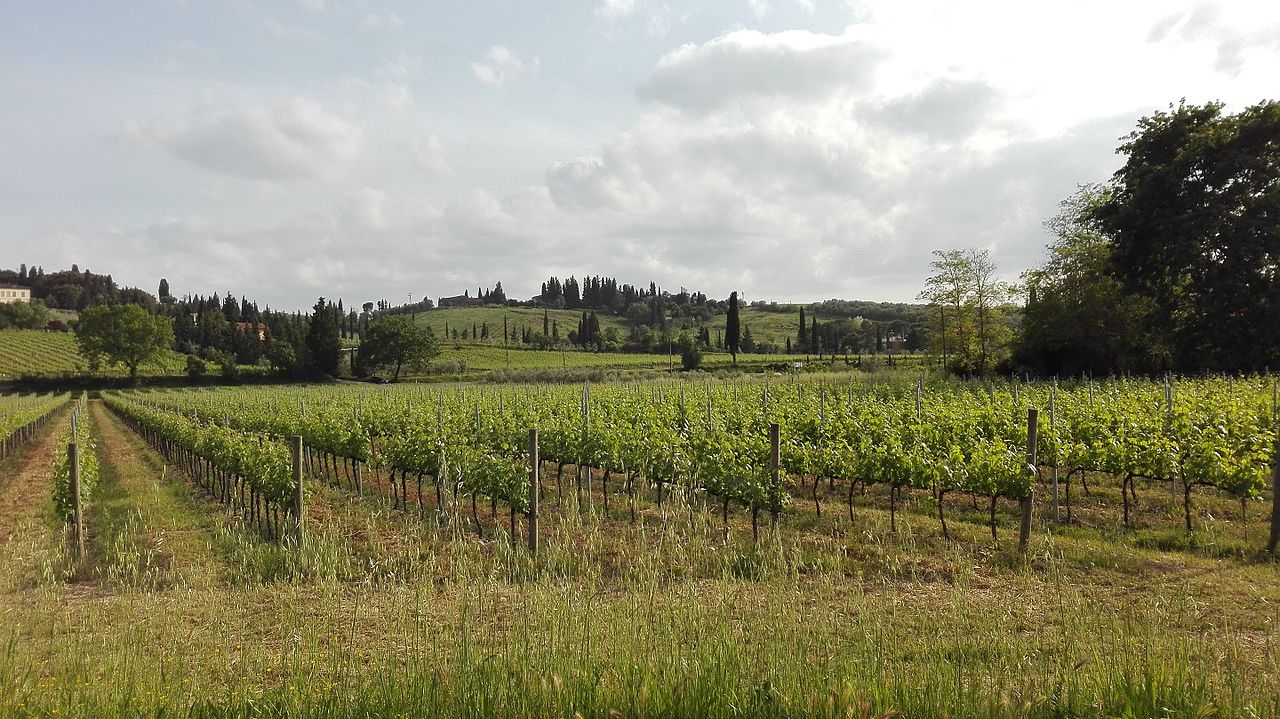
Empoli is a town in Tuscany in central Italy, situated roughly 30 km southwest of Florence. It occupies a low-lying stretch of the Arno valley, about 30 metres above sea level on the south bank of the Arno. The surrounding plain has been farmed since Roman times, and the town grew where river transport and overland routes met.
Image gallery
4 Images


Characteristics and layout
The historic centre retains medieval streets, civic buildings and churches while newer suburbs and light industry ring the core. Empoli functions today as a local service hub: agriculture remains visible in the countryside, while commerce, manufacturing and logistics make use of its location. The town is also a railway and road node on the corridor between Florence and Pisa.
History and development
Empoli’s origins reach back to antiquity when the fertile Arno plain supported settlements and cereal farming. In the Middle Ages it developed as a market and defensive settlement, later falling within the sphere of Florence. Through successive centuries Empoli adapted from a rural market town to a more diversified local centre with artisan trades and transport services.
Transport and economy
Empoli lies on the main railway linking Florence and Pisa and benefits from regional roads that connect it to Siena and other Tuscan cities. The accessibility has supported both agricultural trade and industrial workshops; fruit and vegetables from the plain continue to reach nearby urban markets.
Culture, food and sport
Empoli is associated with a distinctive local artichoke variety known as the Empoli artichoke, valued in regional cuisine. The town also has cultural institutions and local festivals tied to harvest and history. On the sporting side, Empoli F.C. provides a focal point for community identity and features in the national football leagues.
Notable facts and visitor tips
- Location: easy day trips from Florence and Pisa; riverside walks along the Arno.
- Architecture: a mix of medieval and later civic buildings in the town centre.
- Agriculture: the fertile plain supports traditional crops and seasonal markets.
For more local history, transport timetables and cultural events consult regional guides and municipal resources when planning a visit.
Questions and answers
Q: Where is Empoli located?
A: Empoli is a town located in Tuscany, Italy, approximately 30 km southwest of Florence.
Q: What is Empoli's elevation?
A: Empoli is 30 m above sea-level.
Q: How long has the plain of Empoli been used for agriculture?
A: The plain of Empoli has been usable for agriculture since Roman times.
Q: What is the main railway line that passes through Empoli?
A: The main railway line that passes through Empoli is from Florence to Pisa.
Q: What city is well connected to Empoli?
A: The city of Siena is well joined with Empoli.
Q: What is Empoli's history as a city?
A: Empoli has a long tradition as an agricultural center.
Q: What food is named after Empoli in the local area?
A: A local kind of artichoke is named after Empoli.
Related articles
Author
AlegsaOnline.com Empoli — town in Tuscany, Italy Leandro Alegsa
URL: https://en.alegsaonline.com/art/31287