
Fort Stockton, Texas: History, Geography, and Local Features
Fort Stockton is a city in West Texas and the county seat of Pecos County. This article summarizes its geography, frontier history, economy, notable sites and role in regional transportation and culture.
Overview: Fort Stockton is a small city in West Texas, serving as the administrative center and county seat of Pecos County. Located in the Trans-Pecos region, the community has long been a regional hub where ranching, energy production and highway travel intersect. Its character blends frontier history with modern services for local residents and travelers.
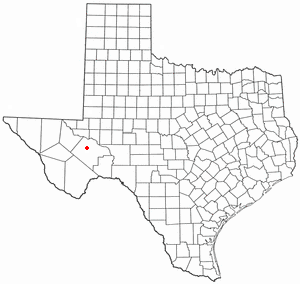
Geography and transportation: The city lies in an arid to semi-arid landscape of mesas and desert grassland, near springs and dry creek channels that supported early settlement. Fort Stockton occupies a strategic position along east–west highway corridors, making it a common stopping point for long-distance traffic and for commercial links between larger West Texas centers and points farther west.
Image gallery
5 Images


History and development
The community originated around a U.S. Army post established in the 19th century to protect migrants, mail routes and nearby water sources. That military presence attracted civilians, merchants and stagecoach services; over time the fort itself, its buildings and the nearby springs shaped local patterns of settlement. Later economic shifts—ranching, irrigation from spring-fed wells, and energy exploration—further defined the town’s growth and character.
Economy and community life: Historically anchored by cattle ranching and agricultural enterprises supported by irrigation, Fort Stockton’s economy has diversified to include oil and natural gas activity, retail serving travelers, public services and tourism. Local institutions include schools, healthcare centers and museums that preserve frontier-era memories while serving current residents.
Attractions and notable sites
- Historic military post remnants and interpretive sites that recall the town’s origin and frontier role.
- Museums and restored buildings that display regional artifacts and stories of early settlers.
- Parks and access to former spring areas that once provided crucial water supplies for people and livestock.
Distinctive facts: Fort Stockton’s identity is shaped by its frontier origins, its role as a county seat in a sparsely populated part of the state, and its continuing function as a service center for ranching, energy operations and highway travelers. For practical visitor information or local resources, see municipal and county pages: state overview and county resources at Pecos County services. Regional history and tourism guides often cite the town as representative of West Texas frontier settlements and the changing economy of the American Southwest.
Related articles
Author
AlegsaOnline.com Fort Stockton, Texas: History, Geography, and Local Features Leandro Alegsa
URL: https://en.alegsaonline.com/art/35778