
Fort Bragg, California — coastal town in Mendocino County
Fort Bragg is a small coastal city on California's Mendocino Coast known for its maritime history, timber heritage, Glass Beach, and access to state parks and the Pacific Coast Highway.
Overview
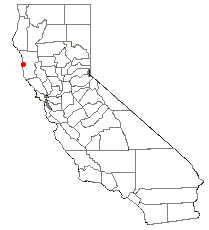
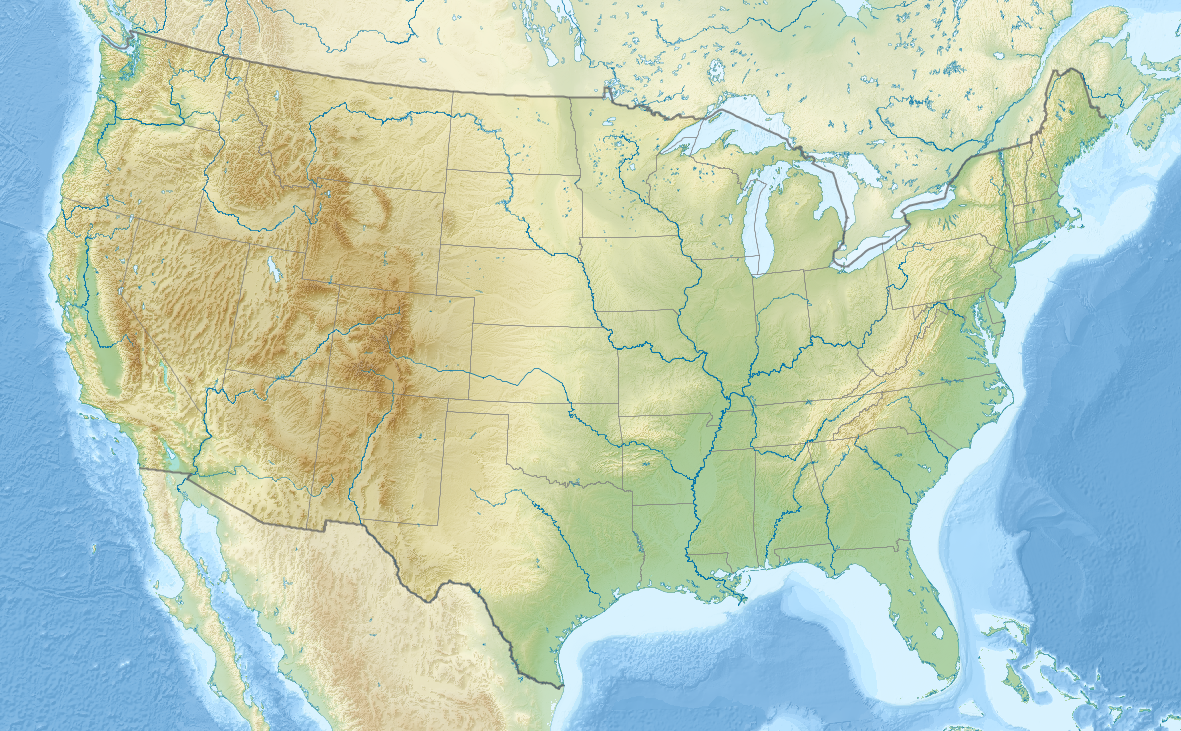
Fort Bragg is a small coastal city on the northern California coast of California, located in Mendocino County along State Route 1 (the Pacific Coast Highway). The community has long been a regional center for fishing, timber, and coastal tourism; its year-round population is roughly seven thousand, with seasonal visitors swelling numbers during summer and holiday periods. The harbor, shoreline parks, and a compact downtown make it a focal point for the Mendocino Coast.
Image gallery
9 Images



Geography and transportation
Fort Bragg sits on a rocky bend of the Pacific and overlooks the sheltered Noyo Harbor. The town is accessible by California Route 1, which links it to other coastal communities; the nearest major inland connection is State Route 20. Local roads, a small harbor, and a short heritage railway provide the principal means for moving people and goods. The immediate environment includes sandy beaches, headlands, tide pools, and nearby protected areas.
History and name
The site began as a military outpost in the 19th century and later developed into a permanent settlement as the timber trade expanded along the Mendocino Coast. The town’s name honors Braxton Bragg, a U.S. Army officer who later served as a general in the Confederacy; that namesake is shared with a military installation in North Carolina. Over time Fort Bragg transitioned from a garrison-related place to a community built around logging, sawmilling, fishing, and the coastal economy.
Economy, culture and community
Historically the local economy centered on logging and lumber processing; those industries shaped roads, rail spurs, and waterfront facilities. In recent decades tourism, commercial and recreational fishing, hospitality, and arts have become more prominent. The town supports galleries, small festivals, local restaurants, and businesses that serve both residents and visitors. A heritage railroad—originally tied to timber operations—now runs seasonal tourist excursions inland.
Attractions and environment
Fort Bragg is a gateway to outdoor recreation and coastal scenery. Nearby parks and protected shorelines offer whale watching, tidepool exploration, beach walks, and birding. Notable local attractions include:
- Glass Beach — a shoreline notable for decades-old sea glass fragments formed from broken glass discarded in the past.
- MacKerricher State Park and coastal trail systems with dunes, tidepools, and seal viewing.
- Noyo Harbor and waterfront restaurants, boating, and fishing access.
- The heritage "Skunk Train" style excursions and small cultural venues.
Notable facts and distinctions
The town often appears in discussions about coastal conservation, sustainable tourism, and the legacy of place names tied to historical figures such as Braxton Bragg, a 19th‑century army officer later associated with the Confederacy (see Confederate general contexts). Fort Bragg’s combination of maritime industry, forested watershed, and protected coastal habitat makes it an illustrative example of Northern California’s small coastal communities balancing resource uses with recreation and conservation.
Related articles
Author
AlegsaOnline.com Fort Bragg, California — coastal town in Mendocino County Leandro Alegsa
URL: https://en.alegsaonline.com/art/35734