
Ford Ranger (midsize pickup truck)
Midsize pickup truck from Ford Motor Company. Introduced as a distinct model in the early 1980s, withdrawn from North America in 2011 and reintroduced in 2019; sold worldwide in multiple configurations for work and recreation.
Overview
The Ford Ranger is a line of light-duty, midsize pickup trucks marketed by Ford Motor Company. The "Ranger" name was originally used as a trim designation on Ford trucks beginning in the mid-1960s; the Ranger became a standalone compact/midsize model in the early 1980s. Over several generations it has been positioned between smaller compact pickups and full-size trucks, aimed at buyers needing utility and towing capability with a smaller footprint than full-size models.
Image gallery
10 Images


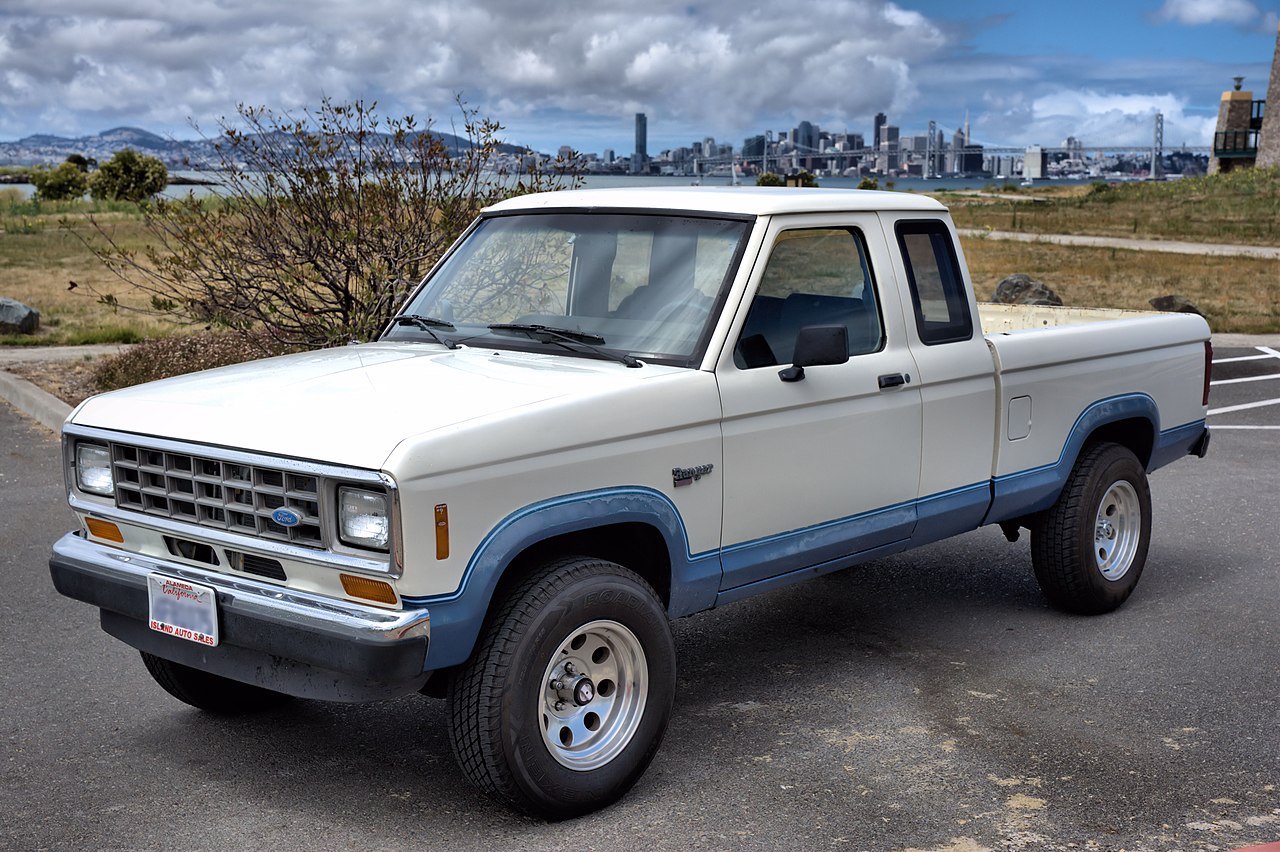
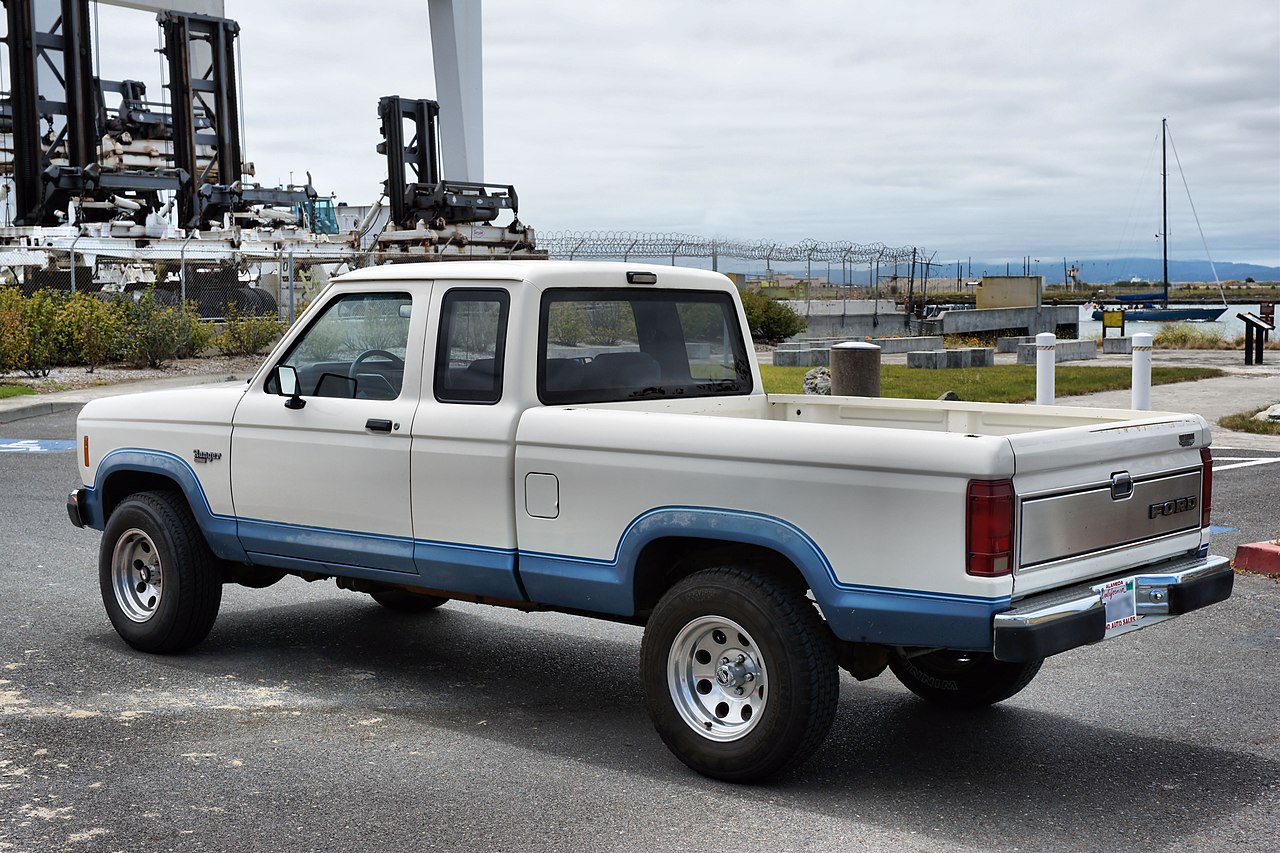


Design and configurations
Rangers have been offered in multiple cab and bed configurations to suit private buyers, tradespeople and fleet customers. Typical layouts include single-cab (regular cab), extended-cab (king/extended cab) and crew-cab (four-door) bodies. Bed lengths and payload capacities vary by generation and market. Construction is generally body-on-frame to support towing and hauling, though suspension tuning and chassis design have evolved to improve on-road comfort and handling.
Powertrains and performance
Across its life the Ranger has been available with a range of gasoline and diesel engines, from economical four-cylinder units to V6 options in select markets. Diesel engines and manual transmissions have been common in many international markets, while automatic transmissions are widespread. Recent generations emphasise fuel economy, towing capability and refinement, and some markets receive performance- or off-road-oriented variants.
Chassis, safety and technology
Modern Rangers incorporate electronic stability control, multiple airbags and driver-assist features that have become common on light trucks, such as automatic emergency braking, lane assistance and advanced infotainment systems. Tow packages, trailer-sway control and integrated trailer wiring are among the convenience and safety features offered to support towing and commercial use.
History and market presence
Introduced as a distinct model in the early 1980s, the Ranger evolved through several generations to meet changing emissions, safety and consumer expectations. Ford discontinued the North American Ranger after the 2011 model year as demand shifted toward larger pickups, but the Ranger nameplate continued internationally. Responding to renewed interest in midsize trucks, Ford reintroduced a new North American Ranger for the 2019 model year. The model is produced in multiple Ford facilities worldwide and is tailored to regional requirements.
Variants and competition
- Trim levels over the years typically include work-oriented and more comfort- or luxury-oriented options; common North American trims have included names such as XL, XLT and Lariat.
- Specialized variants have included off-road-focused versions and, in some markets, high-performance off-road derivatives.
- Main competitors in the midsize pickup segment include models from Toyota, Chevrolet, GMC, Nissan and other manufacturers offering similar capability.
Uses and significance
The Ranger serves a wide range of roles: light commercial use, trades and construction, recreational activities such as towing small trailers and boats, and everyday driving where a balance of capability and maneuverability is desired. Its reintroduction to North America reflected shifting consumer preferences and a renewed demand for midsize pickups that can offer lower operating costs than full-size trucks while still providing useful towing and cargo capacity.
Related articles
Author
AlegsaOnline.com Ford Ranger (midsize pickup truck) Leandro Alegsa
URL: https://en.alegsaonline.com/art/35585
Sources
- fordauthority.com : "Ford Ranger, Bronco Returning To North America, Ford Confirms"