
Ford Transit Connect
Compact panel van introduced by Ford in 2002 for urban commercial and passenger use. Offered as cargo and multi-seat versions, it has evolved through redesigns, varied powertrains and many conversion options.
Overview
The Ford Transit Connect is a compact light commercial vehicle first introduced in 2002. Designed to occupy a market position below full-size vans, it combines the practicality of a small panel van with the handling and fuel economy of a car-based platform. The model has been offered in both cargo and passenger-oriented versions to suit a wide range of urban delivery, trades and family transport roles.
Image gallery
10 Images



Design and packaging
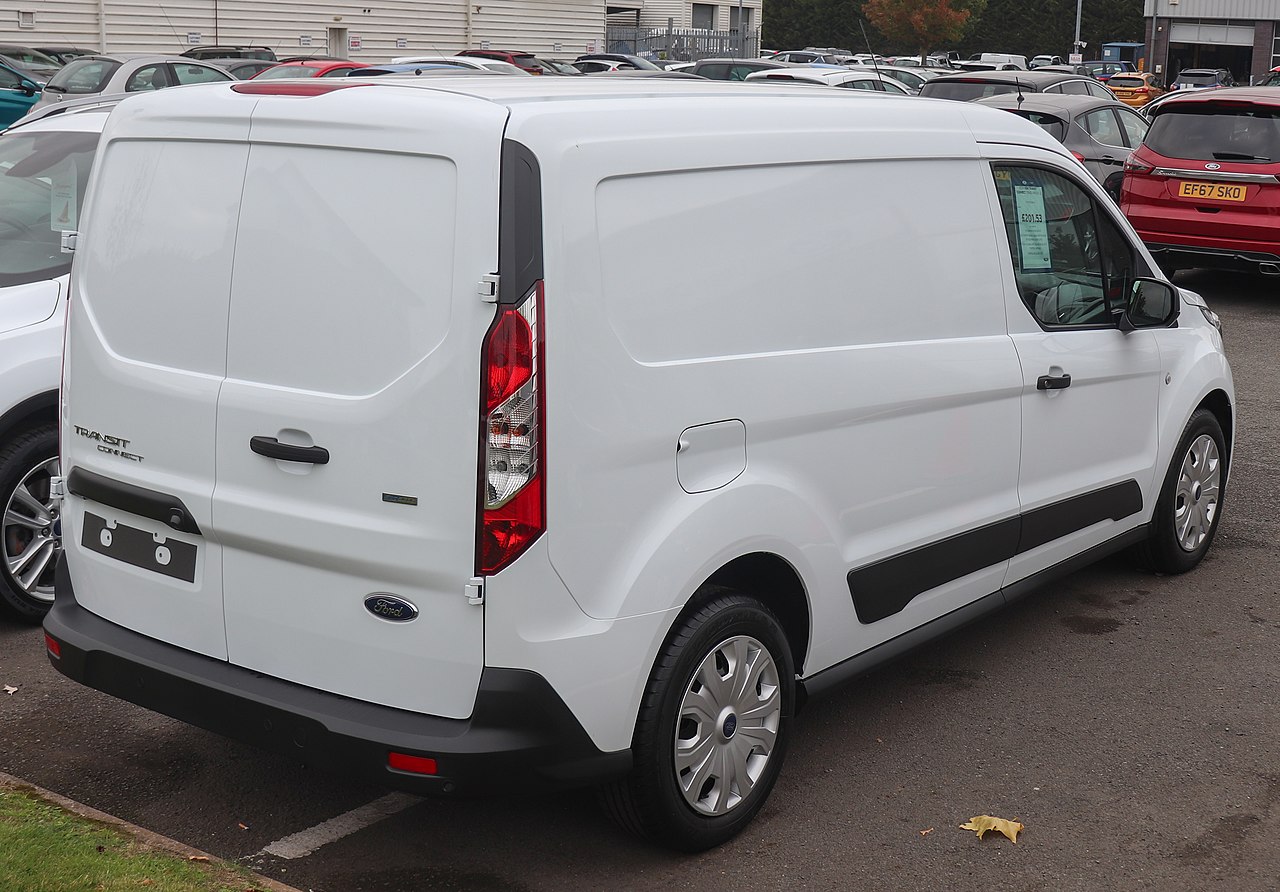
The Transit Connect is characterised by a tall, boxy cargo area for efficient loading, sliding side doors and a choice of rear tailgate layouts. Multiple wheelbase and roof-height options have been available in many markets, allowing customers to prioritise cargo volume, passenger capacity or manoeuvrability. A front-wheel-drive layout is common, helping to maximise interior space and simplify packaging, while later models introduced refinements aimed at improving comfort and noise insulation.
Powertrains and technology
Throughout its life the Transit Connect has used a range of small-displacement petrol and diesel engines intended to balance performance with economy. In response to changing regulation and customer demand, Ford and third-party converters have also offered electrified and alternative-fuel variants or conversions in some markets. Later iterations added modern safety and convenience features, including multiple airbags, electronic stability control and a range of driver assistance systems where required or expected by buyers.
Variants and common uses
- Cargo van: sealed panel version used for deliveries and service work.
- Passenger wagon: multi-seat layouts for families, shuttles and trades that need people capacity.
- Specialist conversions: wheelchair-accessible vehicles, ambulances, crew vans and chill/cold-store adaptations.
- Leisure conversions: popular as a compact camper or recreational base for DIY and small-scale conversions.
Market role and production
The Transit Connect has been important where compact, manoeuvrable vans are required, particularly in urban and congested environments. It has been produced and sold in multiple regions, with local adaptations to meet regional regulations and customer needs. Its combination of flexible interior layouts, low running costs and broad aftermarket support has made it a common choice for small businesses and fleet operators.
Legacy and outlook
Over time the model has broadened from a simple commercial van into a flexible platform used for many specialised roles. Its ongoing evolution reflects wider trends in efficiency, emissions control and vehicle safety, and it remains a reference point for other compact vans aiming to blend utility with everyday drivability.
Related articles
Author
AlegsaOnline.com Ford Transit Connect Leandro Alegsa
URL: https://en.alegsaonline.com/art/35589
Sources
- caranddriver.com : "2014 Ford Transit Connect Wagon"
- popularmechanics.com : "Ford Transit Connect Wagon"