
Fire hose: design, types, history and practical uses
Flexible tubing used to convey water from pumps to fires. Covers construction, common sizes and couplings, historical development, operational roles, and maintenance and safety considerations.
A fire hose is a flexible tube designed to move water or other extinguishing agents from a source to the point of application. In firefighting operations the hose connects to a fire pump, hydrant or water tender and delivers a focused stream or spray to attack flames or cool hot surfaces. Because fluid is moved under elevated forces, hoses are built to resist internal stress, abrasion and heat while remaining maneuverable.
Image gallery
8 Images


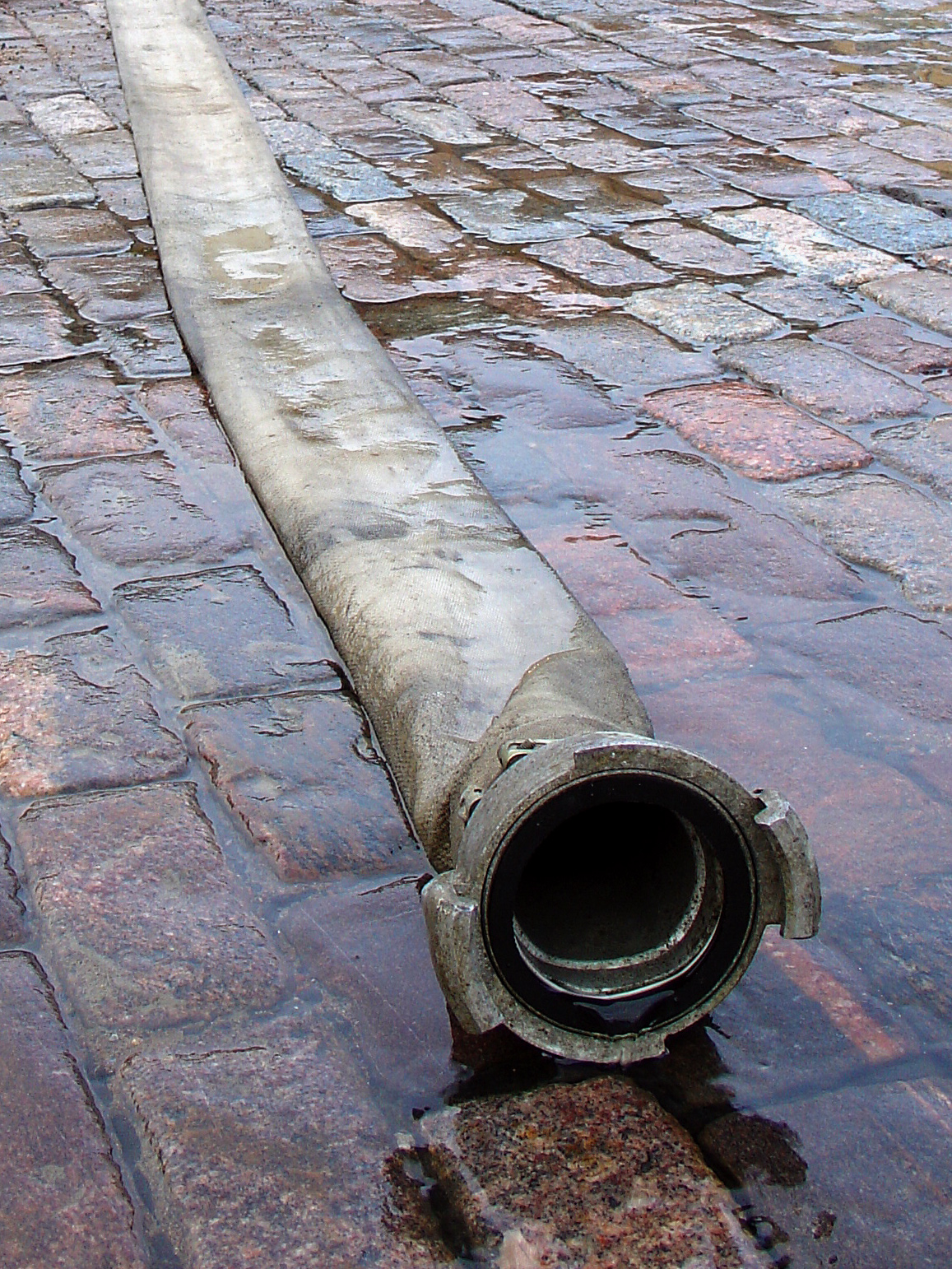

Construction and components
Most modern hoses have a smooth inner lining of rubber or synthetic polymer and one or more outer jackets made from woven fabric or synthetic filaments. The lining provides a fluid-tight barrier while the jacket gives tensile strength and protection. Ends are fitted with couplings — either threaded or quick-connecting designs — that allow rapid joining to nozzles, pumps and other lengths of hose. Nozzles, adapters and fittings control flow, pattern and reach.
Types, sizes and common uses
- Attack hoses: smaller diameter, lighter and intended for hand crews and interior firefighting.
- Supply or feeder hoses: larger diameter lines that move large volumes from hydrants or tenders to pumpers.
- Wildland and forestry hoses: made to be lightweight and resistant to abrasion and heat.
- Specialty hoses: for foam, chemical agents or high-pressure applications.
Lengths and diameters vary by region and purpose; firefighters choose hose to balance flow rate, flexibility and weight. Couplings such as Storz-style quick connectors and threaded standards are common so that systems and appliances interface reliably.
History and development
Early hoses were leather or canvas stitched and treated to hold water; later the 19th and 20th centuries saw the introduction of rubberized linings and synthetic jacket materials that improved durability and pressure capability. Advances in materials and manufacturing have reduced weight while increasing working life and resistance to heat and chemicals.
Operational considerations, maintenance and safety
In use, hose layout and management — often called a "hose lay" — affects how quickly crews can advance lines and manage pressure from pumps. Hoses are periodically inspected, hydrostatically tested and cleaned; proper drying and storage prevent mildew and deterioration. Safety practices include controlling recoil, avoiding kinks, protecting against sharp edges and ensuring couplings are secure so pressurized lines cannot whip or separate under load. Technical reference information on pumps and hydrant connections can be found via equipment manufacturers and training sources such as pump documentation, while resources on nozzle selection and stream intensity are available from tactical guides like fire suppression manuals. For guidance on pressure ratings, testing and safety standards consult inspection and standards publications such as pressure testing resources.
Related articles
Author
AlegsaOnline.com Fire hose: design, types, history and practical uses Leandro Alegsa
URL: https://en.alegsaonline.com/art/34468