
Financial Times
The Financial Times is a London-based international daily concentrating on business, finance and economic analysis. Known for its salmon‑pink pages and digital subscription model, it serves professionals worldwide.
Overview
The Financial Times is an international daily newspaper headquartered in London that concentrates on business, finance and economic news. It aims its coverage at investors, executives, policy makers and anyone with an interest in markets and corporate affairs. Published each morning, the paper combines news reporting, market data, informed commentary and long-form features to serve a global professional readership.
Image gallery
7 Images




Origins and ownership
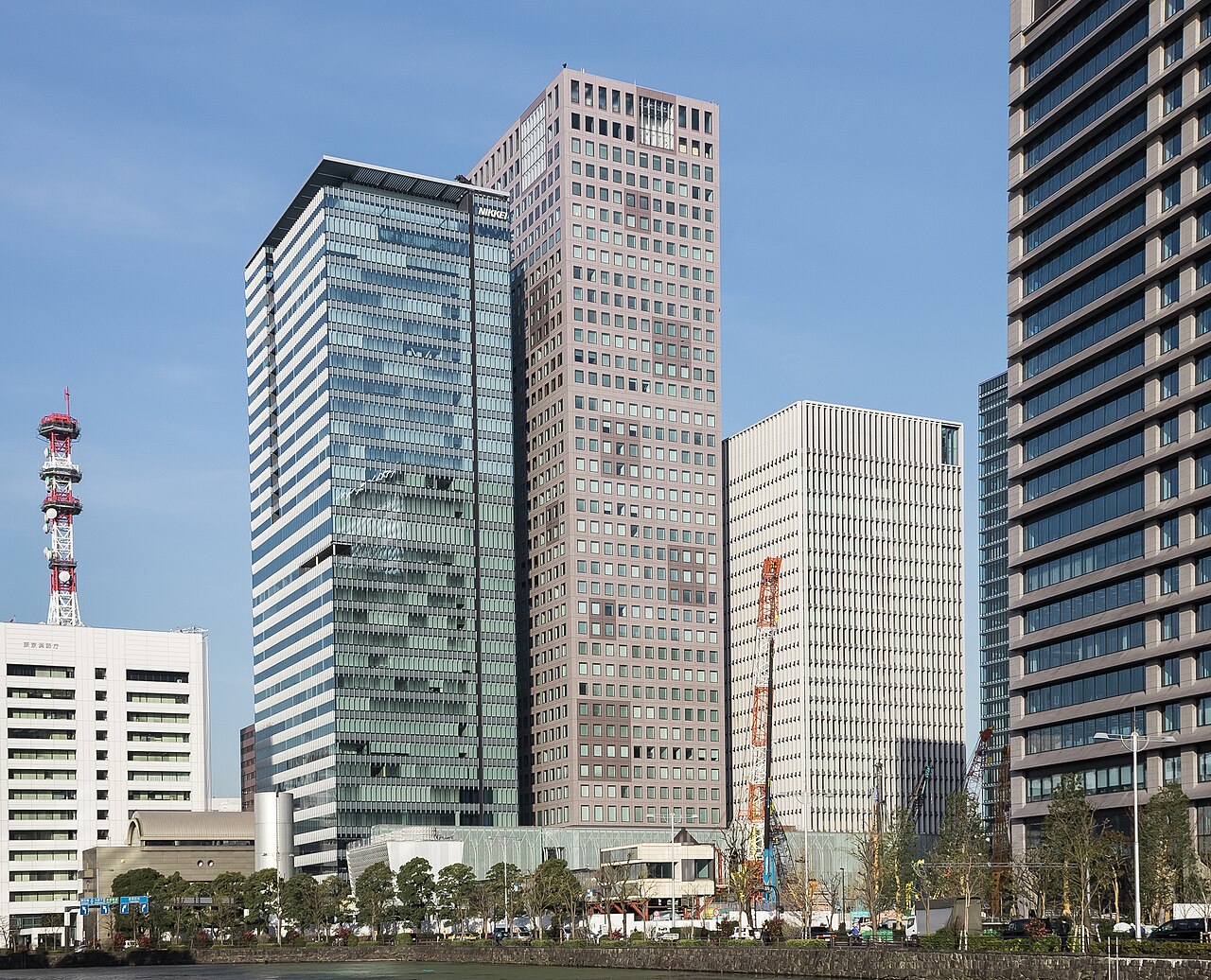
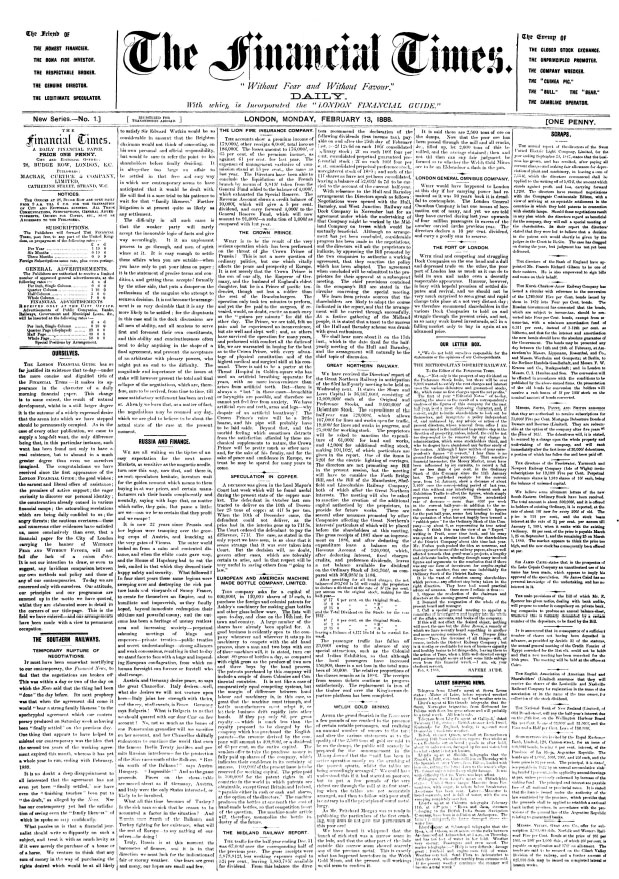
The paper was established in 1888. Contemporary records associate figures such as James Sheridan and Horatio Bottomley with its early launch. Over more than a century the title grew from a British financial bulletin into a global information brand. In 2015 the Financial Times Group changed ownership when the major Japanese media group Nikkei acquired it, a move that reflected the title's international value and digital potential.
Format, staff and editions
Visually the Financial Times is best known for printing on a distinctive light salmon‑coloured paper and for using a broadsheet format in its traditional print editions. The organisation employs several hundred journalists and editors; earlier counts cited roughly 475 editorial staff with a significant contingent posted overseas — see the distribution of its reporting staff abroad for details. Its print edition is produced in multiple cities to serve regional markets, while regional and international desks coordinate to provide continuous coverage.
Digital transition and circulation
Like many established newspapers, the Financial Times has developed an extensive digital offering alongside its printed paper. FT.com provides news, analysis, data tools and proprietary commentary behind a subscription model. The site attracts millions of registered users and a large base of paying digital subscribers, reflecting a successful pivot toward paid digital content. Historically the paper also maintained a substantial print circulation—for example, global print copies were reported in the low hundreds of thousands in the early 2010s—but contemporary reach increasingly rests on a combined print and digital audience.
Content and notable features
Coverage emphasizes global business and market developments, corporate reporting, economic policy, banking, and investment trends. The title includes specialist sections and recurring features such as commentary and analysis columns, industry-focused reporting, and weekend editions with longer essays and lifestyle coverage. The Lex column, regular opinion pieces and data-driven reporting are widely read for their concise market insights and interpretation of complex financial stories.
Role, reputation and distinguishing points
The Financial Times is widely regarded as an influential source for professionals and decision makers in finance and government. Its reputation rests on a combination of specialised editorial focus, international presence and a business model that blends subscription revenues with commercial services. Distinctive facts about the title include:
- Salmon‑pink paper—a long‑standing visual trademark that makes the printed pages instantly recognisable.
- Specialist commentary—regular columns such as Lex provide interpretation alongside straight reporting.
- Global production—printed in multiple cities to serve regional readers and coordinated by international reporting teams.
- Digital subscription model—a paywall and subscriber service that supports a growing digital audience and specialist products.
- Independent voice within a global group—operating under Nikkei ownership while maintaining editorial structures that serve a business readership.
Related articles
Author
AlegsaOnline.com Financial Times Leandro Alegsa
URL: https://en.alegsaonline.com/art/34377
Sources
- abc.org.uk : "Financial Times has reported in accordance with ABC's industry-agreed standards for National Newspapers"
- 213.86.249.173 : Map
- aboutus.ft.com : "About Us"
- abc.org.uk : abc.org.uk/Certificates/17466031.pdf
- wikidata.org : wikidata.org/wiki/Q183399
- isni.org : 0000 0001 2186 4885
- viaf.org : 152031611
- worldcat.org : lccn-no94000531