
Filipino Americans
Americans of Filipino ancestry: overview of origins, migration history, cultural contributions, demographics, and contemporary issues facing this diverse community.
Overview
Filipino Americans are people in the United States with roots in the Philippines and Filipino ethnicity. They include immigrants, naturalized citizens, and US-born descendants who maintain cultural, family, economic, and linguistic ties to the Philippines and to communities across the United States.
Image gallery
10 Images


Characteristics
This population is diverse in language, religion, and regional origin. Many speak Tagalog or Filipino and English; Roman Catholicism is common, alongside Protestant, Muslim, and indigenous faiths. Educational and occupational profiles vary, with significant representation in health care, military service, education, and small business ownership.
History and migration
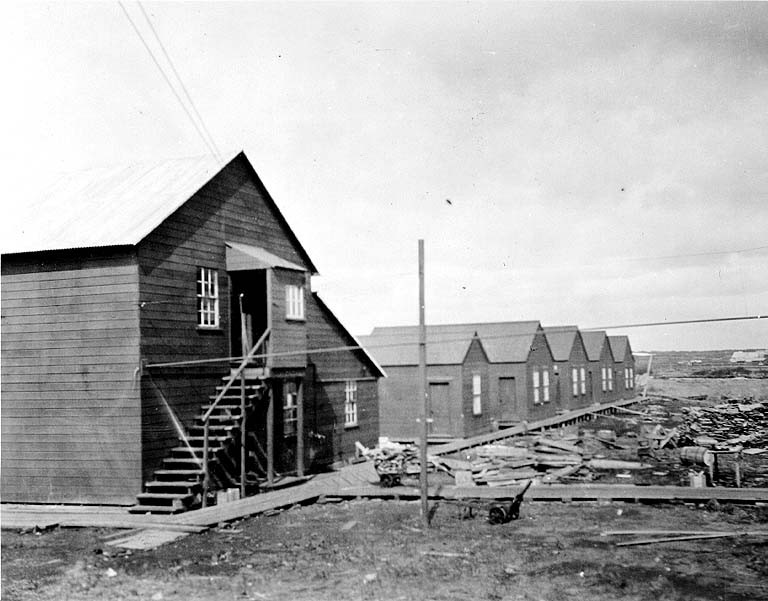
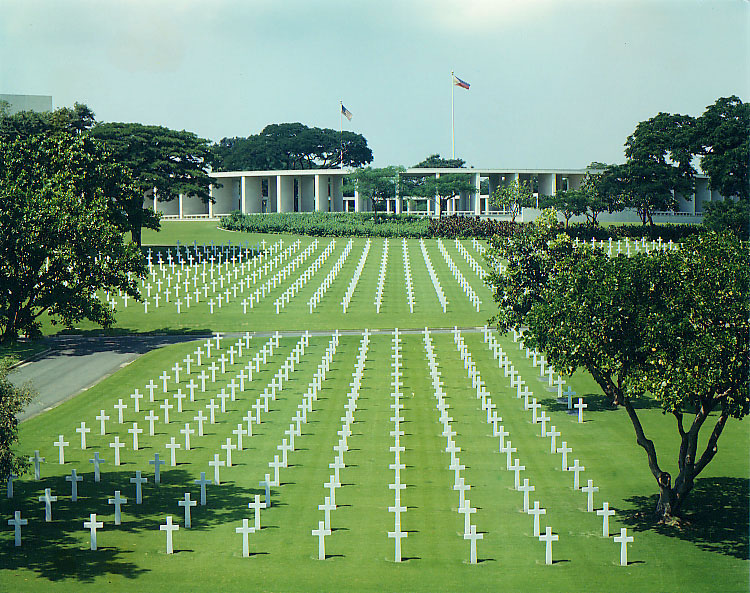
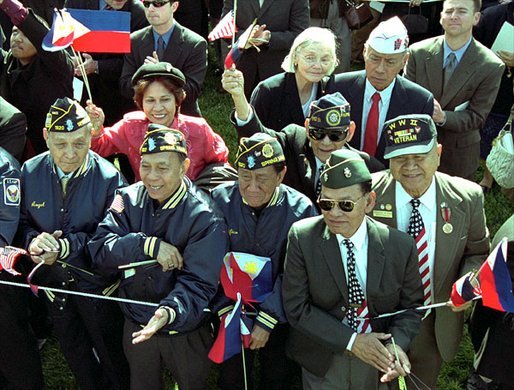
Filipino migration to the U.S. began in the late 19th and early 20th centuries, shaped by Spanish and then American colonial rule of the Philippines. Early migrants worked in agriculture, fisheries, and maritime trades. After World War II and especially following the 1965 U.S. immigration reforms, migration increased, including many nurses and professionals. Military service has been an important channel for travel, settlement, and citizenship.
Culture and contributions
Filipino Americans contribute to American life through cuisine, arts, festivals, and civic participation. Traditional foods, music, and family-based celebrations are maintained while adapting to local contexts. Prominent areas of contribution include nursing and health care, performing arts, literature, and political representation at local and national levels.
Demographics and contemporary issues
- Geographic concentration: significant communities in California, Hawaii, New York, Texas, and the Washington–Oregon corridor.
- Transnational ties: remittances, dual-family households, and frequent travel between the U.S. and the Philippines.
- Challenges: visibility in data collection, health disparities, immigration and naturalization concerns, and efforts to preserve language and cultural heritage among younger generations.
Understanding Filipino Americans requires attention to their long history of movement, their role in specific industries, and the ways family, faith, and community organizations sustain identity across generations.
Related articles
Author
AlegsaOnline.com Filipino Americans Leandro Alegsa
URL: https://en.alegsaonline.com/art/34304
Sources
- factfinder.census.gov : "ASIAN ALONE OR IN ANY COMBINATION BY SELECTED GROUPS"
- factfinder2.census.gov : "California"
- factfinder2.census.gov : "Hawaii"
- factfinder2.census.gov : "Illinois"
- factfinder2.census.gov : "Texas"
- factfinder2.census.gov : "Washington"
- factfinder2.census.gov : "New Jersey"
- factfinder2.census.gov : "New York"
- factfinder2.census.gov : "Nevada"
- factfinder2.census.gov : "Florida"
- stanford.edu : "HEALTH AND HEALTH CARE OF FILIPINO AMERICAN ELDERS"
- pewforum.org : "Asian Americans: A Mosaic of Faiths, Chapter 1: Religious Affiliation"
- pewforum.org : "Asian Americans: A Mosaic of Faiths" · web.archive.org
- quickfacts.census.gov : quickfacts.census.gov