
Forensic anthropology: analysis of human remains for legal investigation
Forensic anthropology applies skeletal analysis to help identify individuals, estimate biological profile, interpret trauma and taphonomy, and support legal investigations and disaster response.
Overview
Forensic anthropology is a specialized field that applies principles of human osteology and biological anthropology to questions arising in legal and medicolegal contexts. Practitioners examine human skeletal remains to assist in establishing identity, estimating time since death, and providing information about trauma or disease. Forensic anthropologists typically work as part of multidisciplinary teams alongside forensic pathologists, odontologists, and law enforcement, and often provide expert testimony in court. For a general introduction see forensic anthropology.
Image gallery
9 Images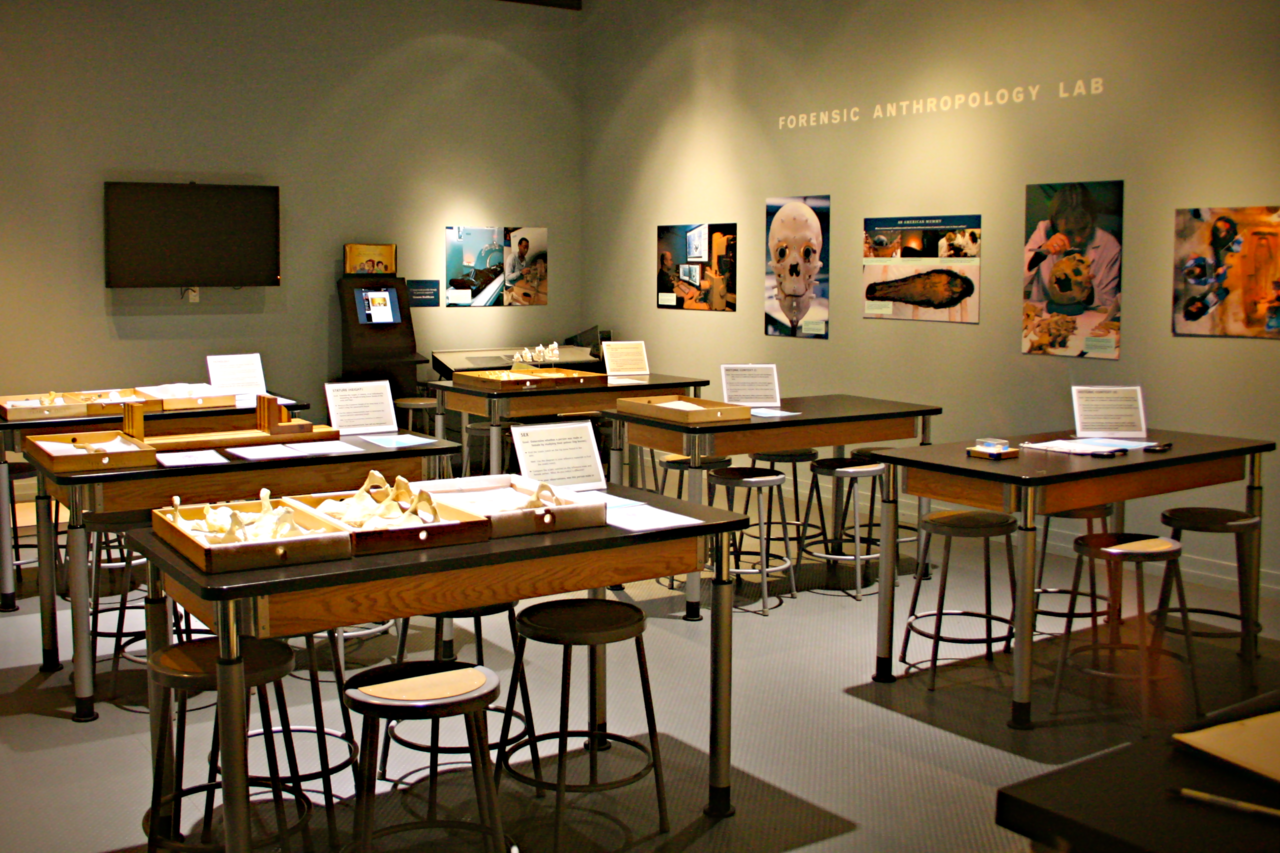



Methods and typical analyses
Analytical work centers on the bones and any surviving soft tissues. Common objectives include estimating a biological profile (age at death, sex, ancestry, and stature), recognizing distinctive anatomical features, and documenting perimortem or postmortem trauma. Laboratory methods range from macroscopic inspection to metric analysis and comparison with reference collections. Specialists also consider taphonomic processes—how the environment altered remains over time.
- Age estimation: dental development, epiphyseal union, and degenerative changes.
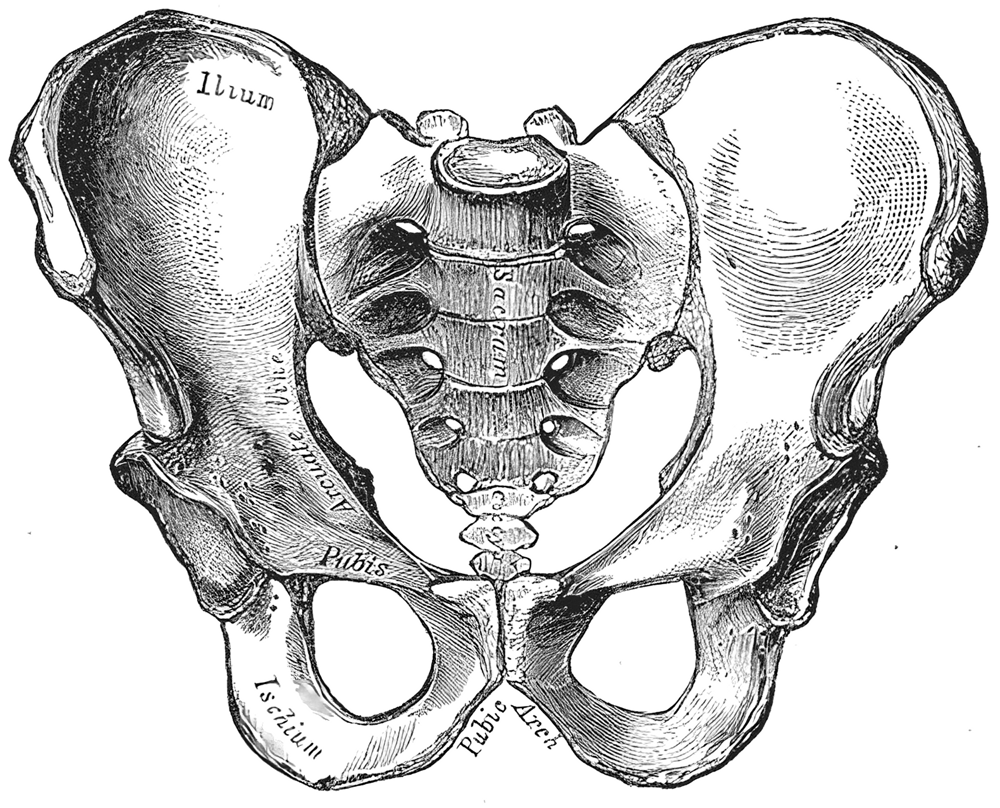
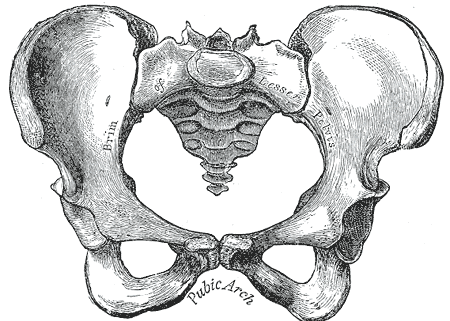
- Sex estimation: pelvic and cranial morphology.
- Ancestry and stature: metric and nonmetric traits, regression formulas.
- Trauma analysis: fracture patterns and tool marks to infer timing and mechanism.
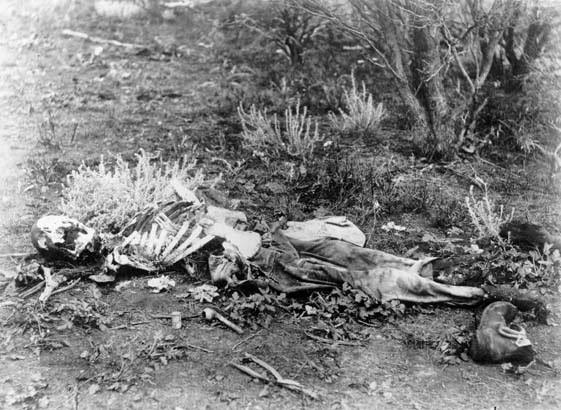
- Taphonomy: decomposition, scavenging, and burial effects.
Bone-focused procedures and laboratory protocols are summarized in many manuals on bone analysis.
History and development
The discipline developed from comparative and forensic anatomy in the late 19th and 20th centuries as investigators sought reliable methods for identifying remains and interpreting skeletal evidence. Over time, standardized techniques, professional certification programs, and formal training in osteology and medicolegal practice have increased scientific rigor and court-acceptable methodology.
Applications, limitations, and practice
Forensic anthropologists contribute to criminal investigations, disaster victim identification, historical and human rights inquiries, and archaeological cases. Their findings can narrow missing-person lists, support cause or manner hypotheses, and guide recovery strategies at recovery scenes. Limitations include degraded or incomplete skeletons, mixed or commingled remains, and interpretive uncertainty—especially with ancestry estimates—so results are expressed with appropriate levels of confidence. Where cause of death depends on soft-tissue findings, collaboration with a medical examiner is essential; see discussions of cause and manner of death.
Notable professional considerations
Ethical practice emphasizes careful documentation, chain of custody, respect for the deceased, and clear communication of limits and assumptions. Court testimony requires translating scientific observations into accessible conclusions while acknowledging uncertainty. Forensic anthropology sits at the intersection of science, law, and public service, providing crucial evidence when human remains are the primary source of information.
Questions and answers
Q: What is forensic anthropology?
A: Forensic anthropology is the examination of human remains to resolve criminal cases and determine the manner of death.
Q: What is the purpose of forensic anthropology?
A: The purpose of forensic anthropology is to aid in the investigation of crimes and identify the cause of death.
Q: What information do forensic anthropologists collect?
A: Forensic anthropologists collect information from bones to help understand the death of a person and provide insight into the individual's life.
Q: How do forensic anthropologists use bone analysis?
A: Forensic anthropologists utilize bone analysis to gain knowledge about the deceased's identity, age, sex, and any injuries or diseases present.
Q: Why do forensic anthropologists focus on bone analysis?
A: Forensic anthropologists gather information from bones as they are the only part of the body that can withstand decomposition and provide long-lasting evidence.
Q: Who typically employs forensic anthropologists?
A: Forensic anthropologists are usually employed by law enforcement agencies, medical examiners, coroners, or other government agencies.
Q: What is the importance of forensic anthropology in criminal investigations?
A: Forensic anthropology is crucial to criminal investigations as it provides a wealth of information about the deceased, which can aid in solving the case and bringing justice to victims and their families.
Related articles
Author
AlegsaOnline.com Forensic anthropology: analysis of human remains for legal investigation Leandro Alegsa
URL: https://en.alegsaonline.com/art/35623