
Final Fantasy IV
Final Fantasy IV (1991) is a landmark role-playing game by Squaresoft (now Square Enix). Noted for its character-driven story and the Active Time Battle system, it has been ported and remade across many platforms.
Overview
Final Fantasy IV is a fantasy entry in the Final Fantasy series originally developed by Squaresoft. First released in 1991 for the Super Famicom in Japan and later on the Super Nintendo in North America (where it was titled Final Fantasy II), the game marked a shift toward more cinematic, character-driven storytelling in Japanese role-playing games. Its presentation and narrative pacing set new expectations for the genre and the franchise.
Image gallery
3 Images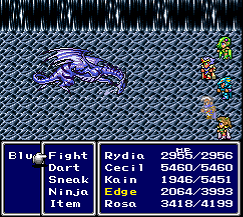

Gameplay and mechanics
The game introduced the Active Time Battle (ATB) system, in which each combatant is governed by a gauge that fills over time and determines when they may act. This hybrid of turn-based and real-time decision-making added urgency to encounters and required strategic timing. Exploration follows classic RPG conventions: towns, dungeons, equipment and level progression, with each party member assigned specialized roles and abilities. Battles feature distinctive portraits and scripted sequences that enhance dramatic moments.
Story and principal characters
Final Fantasy IV centers on Cecil, a Dark Knight of the militaristic Kingdom of Baron, who undergoes a moral transformation after questioning orders he has been given. The narrative expands to include themes of duty, redemption, love and sacrifice as Cecil gathers a diverse group of companions. Key figures include Cecil, the conflicted protagonist; Kain, a dragoon whose loyalties wobble; Rydia, a summoner with a powerful emotional arc; Rosa, a white mage and love interest; and the antagonist Golbez, who seeks powerful crystals central to the world’s balance. Supporting characters such as Edge, Tellah, Yang, Palom and Porom each bring distinct abilities and personal stories that contribute to the game’s layered plot.
Versions, ports and remakes
Final Fantasy IV has been reissued and remade numerous times. Official releases have appeared on platforms including the original cartridge systems and later consoles and handhelds. Notable ports include the PlayStation and the Wonderswan Color, a Game Boy Advance edition and a comprehensive Nintendo DS remake. The DS version offered enhanced animated cutscenes and optional 3D visual elements to modernize presentation while preserving the core story and gameplay. In addition to cartridge and disc re-releases, the title has been made available in various digital formats for newer devices.
Development, music and presentation
Key staff included a creative team known for shaping the early Final Fantasy identity: the title features a score by composer Nobuo Uematsu and character art consistent with the series’ early aesthetic. During development, designers emphasized scripted story beats and character moments, pairing them with the newly implemented ATB system to create a more dramatic pacing than previous entries. The combination of musical themes, illustrated portraits and in-game events helped establish the game’s reputation for emotional storytelling.
Reception, legacy and influence
Critically and commercially successful, Final Fantasy IV is cited as an influential work in the history of role-playing games. Its innovations—most notably the Active Time Battle system and a stronger focus on interpersonal drama—shaped later Final Fantasy installments and inspired other JRPGs. The game has led to sequels, remakes, spin-offs and adaptations in audio and print, and it remains a common reference point for designers and fans studying the evolution of narrative and combat systems in the genre. For further context on platform and series history, consult linked resources on the broader video game genre and the systems on which it originally appeared, such as the Super Famicom and later releases on handheld platforms like the Game Boy Advance and Nintendo DS.
Related articles
Author
AlegsaOnline.com Final Fantasy IV Leandro Alegsa
URL: https://en.alegsaonline.com/art/34351