
Fiat Tempra — compact family car (1990–1996)
Compact family car produced by Fiat from 1990 to 1996. Offered as four‑door saloon and estate, the Tempra succeeded the Regata and was later replaced by the Marea; known for practicality and varied engines.
Overview
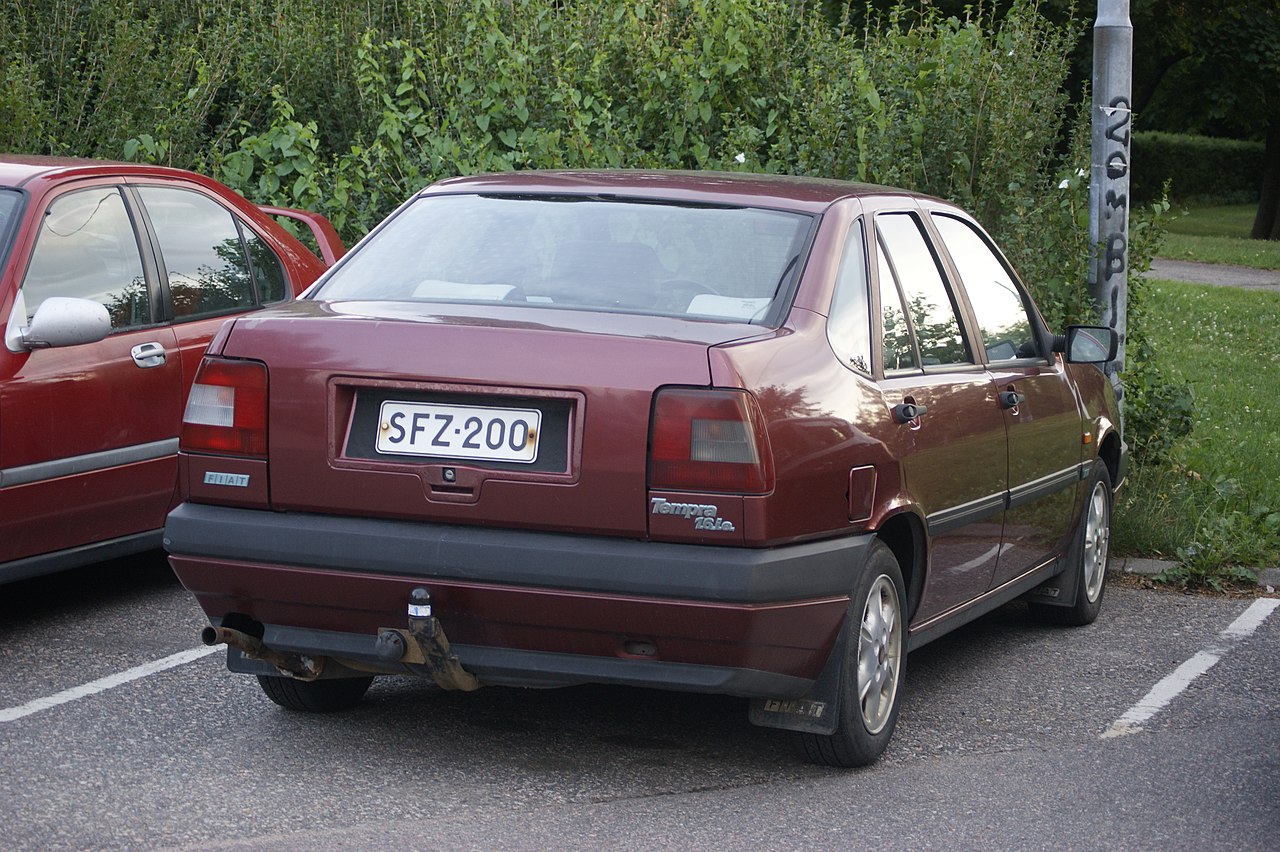
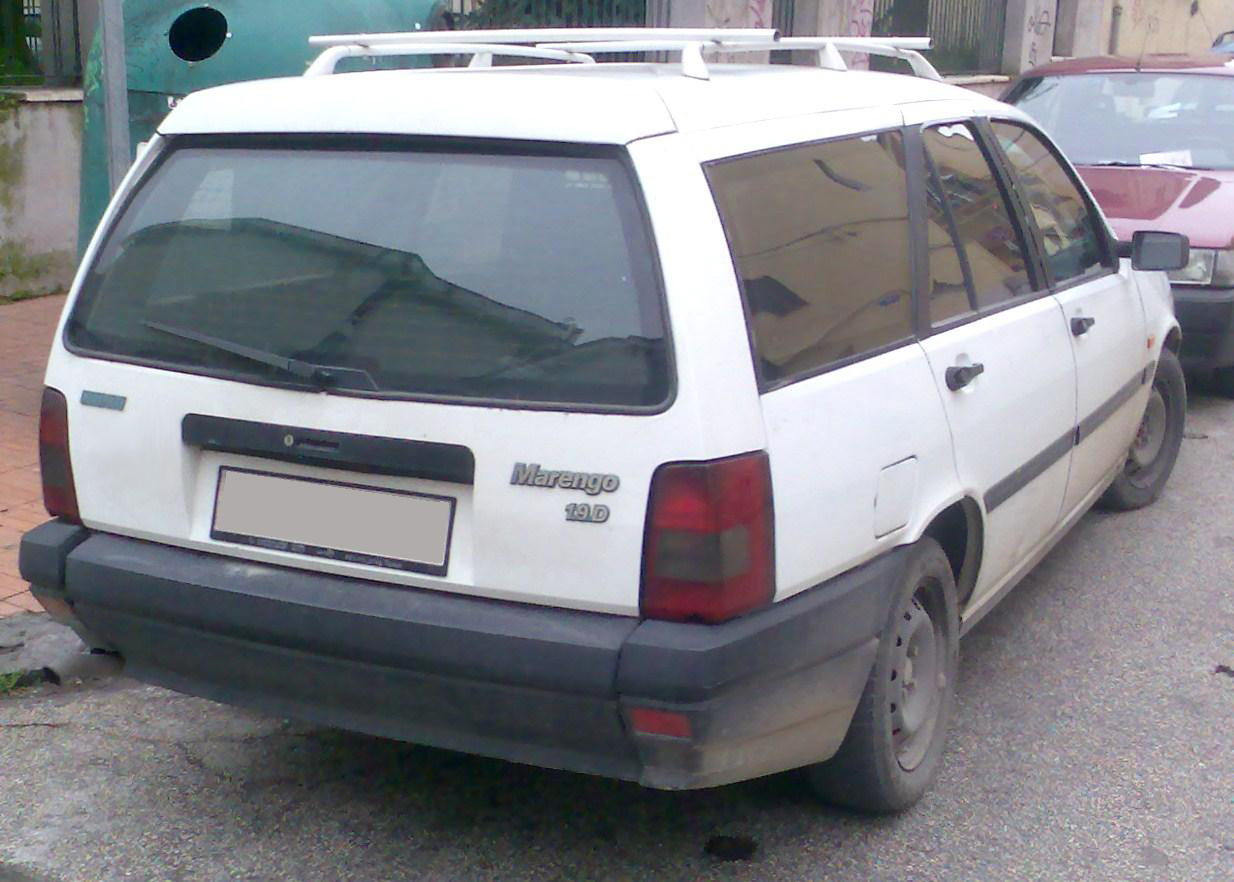
The Fiat Tempra is a compact family car produced by the Italian manufacturer Fiat between 1990 and 1996. Introduced as the successor to the Fiat Regata, it was intended to offer practical, comfortable everyday transport for families and fleets with a conventional saloon (sedan) and an estate (station wagon) body.
Image gallery
9 Images





Design and platform
The Tempra featured conservative, functional styling typical of early 1990s family cars, with an emphasis on interior space and luggage capacity. It used Fiat engineering and a platform shared in design approach with other models of the period, allowing a variety of body and trim combinations while keeping production costs competitive.
Engines, transmissions and equipment
Engine options covered small to mid‑sized petrol units and diesel alternatives, commonly ranging from around 1.4 to 2.0 litres for petrol and including a 1.9‑litre diesel in many markets. Manual gearboxes were widespread, with automatic transmissions available in selected versions. Equipment levels varied by trim and market; higher specifications often included power steering, central locking, electric windows, and optional safety features such as airbags and anti‑lock braking.
Production, markets and legacy
Produced throughout the early 1990s, the Tempra was sold mainly in Europe and in selected export markets. The estate variant was particularly valued by buyers needing extra load space, and the model served roles from family transport to company cars and fleet use. Production wound down in the mid‑1990s and the Tempra was replaced by the Fiat Marea in 1996; for manufacturer information see the Fiat pages and successor details at Fiat Marea.
Notable points
- Replaced the Fiat Regata and later succeeded by the Marea, forming part of Fiat's compact saloon/estate lineage.
- Balanced practicality and affordability rather than sporting performance.
- Available in several trim and engine combinations to suit private and commercial buyers.
Related articles
Author
AlegsaOnline.com Fiat Tempra — compact family car (1990–1996) Leandro Alegsa
URL: https://en.alegsaonline.com/art/34162