
Fiat Stilo — Fiat's compact car (2001–2007)
Compact C‑segment hatchback produced by Fiat from 2001 to 2007. Available in hatchback and estate variants with petrol and diesel engines; known for modest European sales and a technology-focused interior for its time.
Overview
The Fiat Stilo is a compact family car produced by Fiat between 2001 and 2007. Positioned in the C-segment, it was intended to replace the earlier Bravo and Brava models and to compete with other small family hatchbacks in Europe. Sales were modest, and the Stilo is remembered for attempting to blend everyday practicality with several technology and comfort features becoming common in the early 2000s.
Image gallery
10 Images



Design and engineering
The Stilo used a conventional front‑wheel drive, unibody layout and focused on interior space and user-friendly controls. Its configuration favoured a comfortable ride and flexible seating for families, while offering a range of options and trim levels to suit private and fleet buyers. Electronic extras that were available on various versions included early infotainment and convenience systems for the period.
Variants and engines
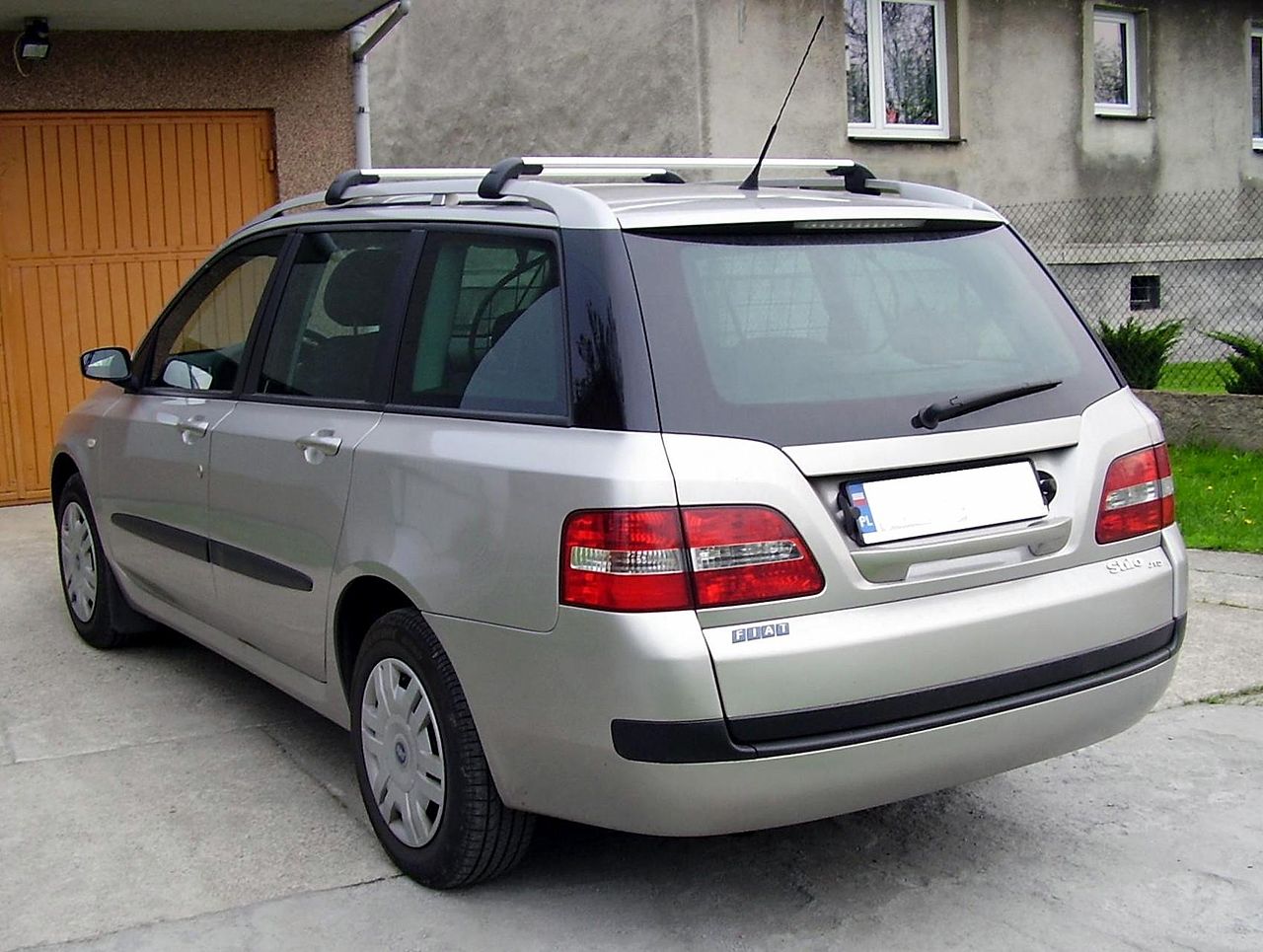
Fiat marketed the Stilo in multiple body forms, including hatchback versions and an estate variant that increased cargo capacity for buyers who needed more practicality. Engine choices covered a spectrum from small petrol units up to larger four‑cylinder petrols and a range of diesel engines, including Fiat’s well‑known common‑rail JTD diesels used widely across the company’s lineup.
Reception and legacy
The Stilo received mixed reviews: praise for cabin ergonomics and safety features was tempered by criticism from some reviewers over weight, driving dynamics, or styling when compared with rivals. It remained a visible presence on European roads during its production run and influenced the design and packaging choices of subsequent Fiat compact cars. In 2007, Fiat replaced it in the lineup with a new Bravo model.
Notable facts
- Launched as Fiat’s compact family offering for the early 2000s.
- Sold principally in Europe but also exported to other markets.
- Offered both hatchback and estate body styles to broaden appeal.
Related articles
Author
AlegsaOnline.com Fiat Stilo — Fiat's compact car (2001–2007) Leandro Alegsa
URL: https://en.alegsaonline.com/art/34161