
Fernando Birri: Pioneer of New Latin American Cinema
Argentine filmmaker, critic and teacher Fernando Birri (1925–2017) advanced socially engaged cinema, directed influential documentaries and helped found the International School of Film and Television in Cuba.
Fernando Birri (born March 13, 1925, in Santa Fe, Argentina — died December 28, 2017, in Buenos Aires) was an Argentine director, screenwriter, actor, critic and film theorist widely regarded as a leading figure in the emergence of a politically conscious Latin American cinema. His work combined documentary techniques, social commitment and formal experimentation, and his films and writings helped shape what is often called the "new Latin American cinema."
Image gallery
1 Image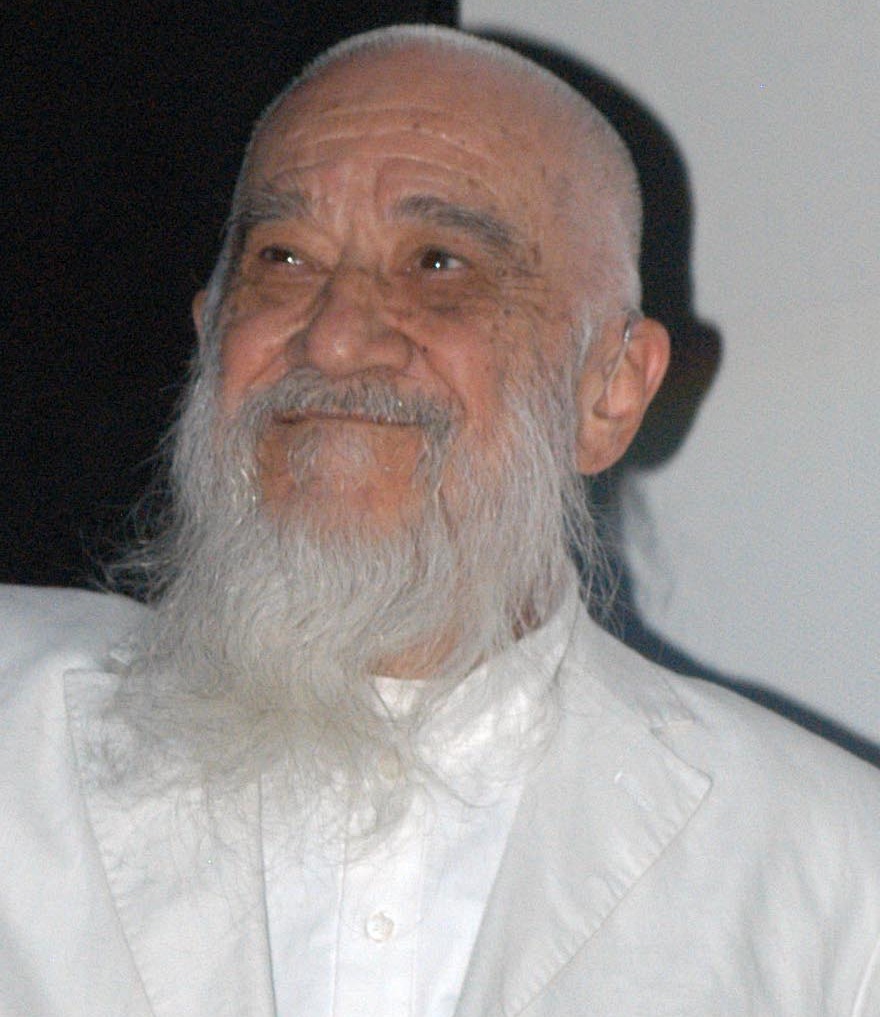
Early career and first films
Birri trained as an architect and later studied film in Italy and Europe, bringing back to Argentina an interest in neorealist practice and socially engaged documentary. His short La primera fundación de Buenos Aires was selected to screen at the 1959 Cannes Film Festival, signaling the arrival of a new voice from Argentina. Shortly after, he made Tire dié, a seminal short-documentary that portrayed the lives of children and marginalized communities in the outskirts of his native Santa Fe. These early pieces combined observational footage with a strong ethical stance toward subjects and audiences.
Major works and themes
Birri's films emphasized poverty, labor, urban margins and popular culture while experimenting with narrative form and documentary strategies. Notable works include:
- Tire dié — a short documentary exploring childhood and social exclusion.
- Los inundados (often translated as The Flooded Ones) — a feature-length film that examines displacement and hardship.
- Various essays, short films and theoretical texts that interrogated the role of cinema in social change.
Across these works he favored an approach that treated cinema as a tool for listening to communities and for contesting official narratives, blending reportage, portraiture and staged sequences to reveal everyday realities.
Education, activism and institutional work
Beyond filmmaking, Birri was a committed educator and institution-builder. In 1986 he co-founded the Escuela Internacional de Cine y Televisión (International School of Film and Television) in San Antonio de los Baños, Cuba, a training center intended to broaden access to film skills and encourage collaboration among Latin American and global filmmakers. Throughout his career he taught, mentored younger directors and wrote about film theory and practice, promoting a cinema that engaged political and social questions rather than purely commercial entertainment.
Legacy and significance
Birri's influence extends through his films, his theoretical writings and the students and institutions he helped shape. Critics and historians frequently cite him as a foundational figure in Latin American cinematic movements of the 1960s and 1970s — movements that sought new forms of representation and stronger ties between filmmaking and social struggles. His combination of documentary methods and formal experimentation remains a reference point for filmmakers interested in social realism, participatory practice and film pedagogy.
Fernando Birri died at age 92 from complications after a fall; the official cause was reported as respiratory arrest complicated by the fall. His work is still screened and discussed in festivals, schools and retrospectives, and his name is often invoked when tracing the development of socially committed cinema in Latin America.
Further reading and resources: see festival programs, film archives and academic studies for screenings and analyses of Birri's films. For institutional history and training programs, consult the records of the Escuela Internacional de Cine y Televisión and film school archives.
Selected external references and entry points for research are available through film festival collections, university cinema departments and anthology volumes on Latin American film history.
Santa Fe Argentina Cannes Film Festival Buenos Aires cause of deathRelated articles
Author
AlegsaOnline.com Fernando Birri: Pioneer of New Latin American Cinema Leandro Alegsa
URL: https://en.alegsaonline.com/art/34047
Sources
- eictv.org : "Escuela Internacional de Cine y Televisión de San Antonio de los Baños, Cuba"
- lanacion.com.ar : Murió el cineasta Fernando Birri, considerado el padre del Nuevo Cine latinoamericano