
Fernando Pessoa: life, heteronyms, works and lasting influence
Overview of Fernando Pessoa, the Portuguese modernist poet and writer, his heteronyms, themes, major works and cultural influence.
Overview
Fernando António Nogueira Pessoa (1888–1935) is widely regarded as one of Portugal's most important literary figures. Born and died in Lisbon, he wrote both in Portuguese and in English, producing poetry, prose fragments and critical texts. Pessoa combined classical learning, modernist experimentation and a preoccupation with identity to create a body of work that remains central to 20th‑century literature.
Image gallery
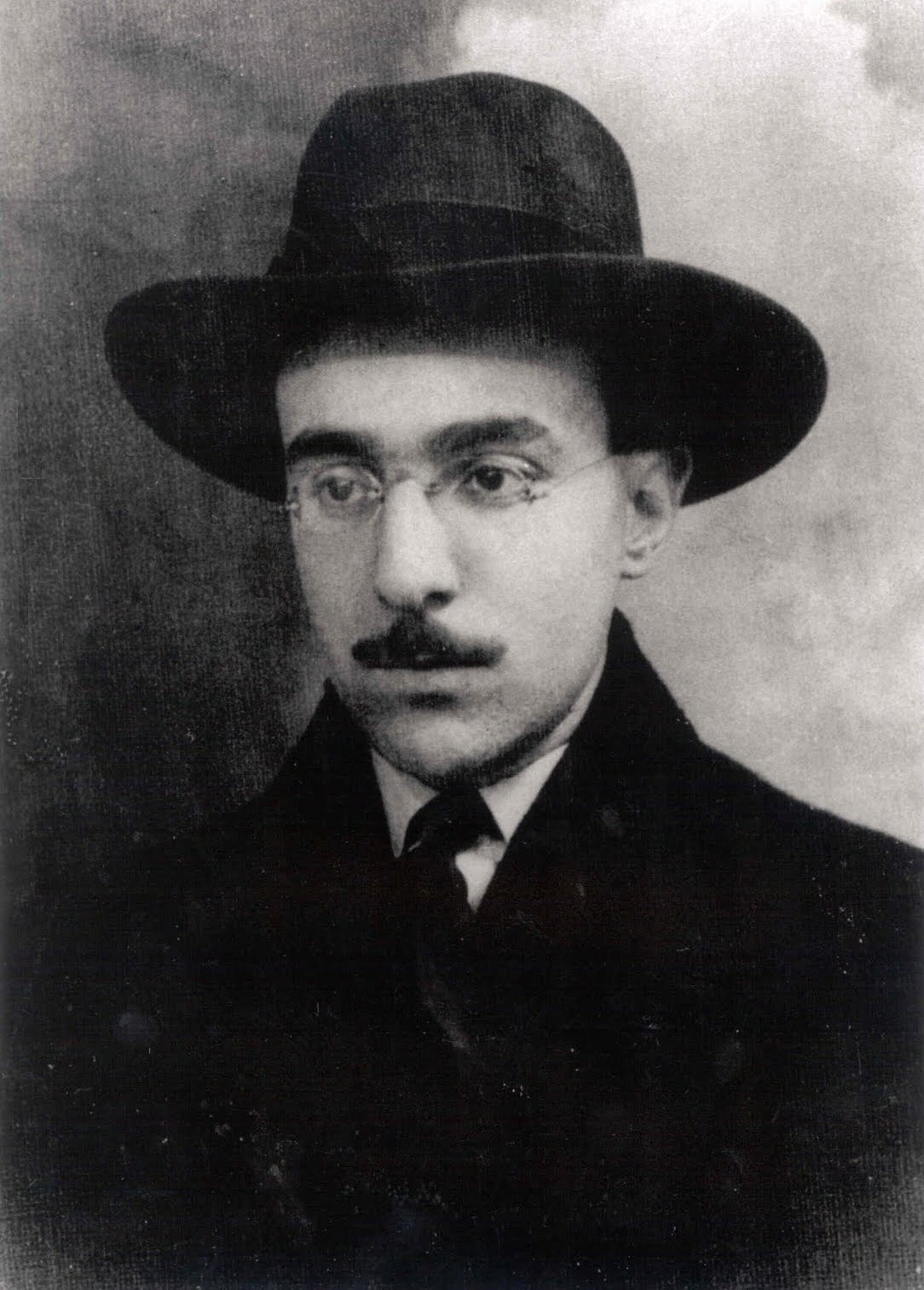
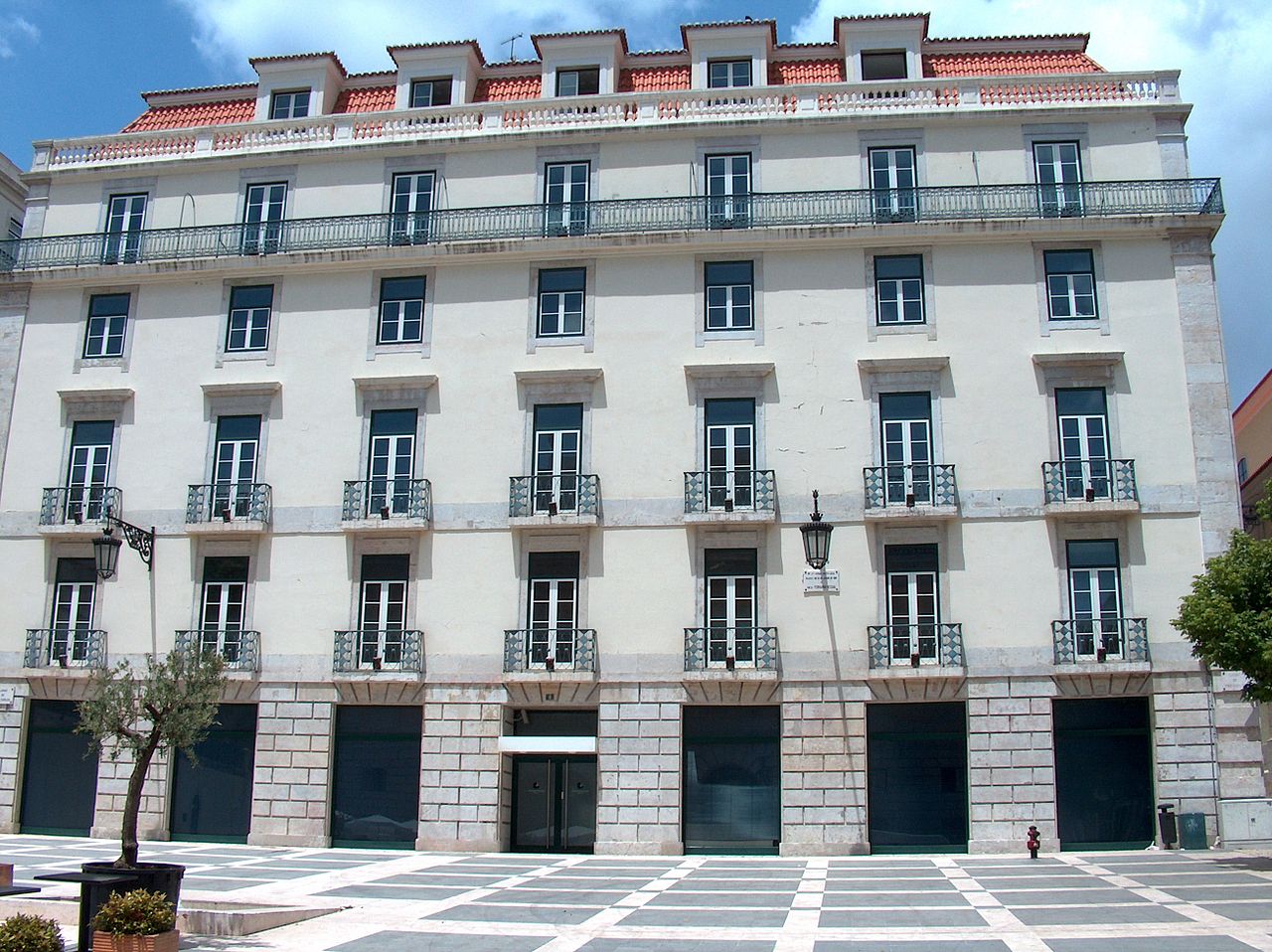
10 Images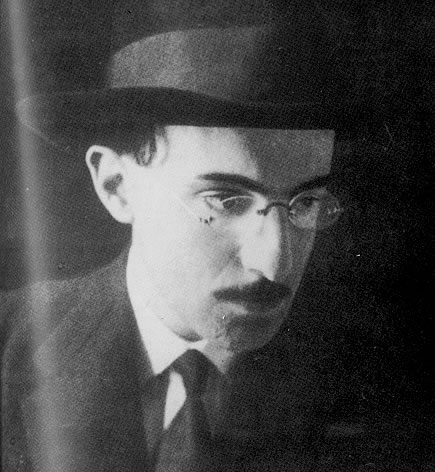




Heteronyms and method
Pessoa is best known for creating dozens of distinct authorial personas, usually called heteronyms. Rather than simple pseudonyms, his heteronyms had full fictional biographies, different poetic techniques and divergent philosophies. He treated these separate voices as autonomous writers whose works could contradict one another yet form a polyphonic whole. The number of heteronyms varies by count, but collectively they demonstrate his interest in fragmented selfhood and the possibilities of literary voice.
Major heteronyms
- Alberto Caeiro – often described as a pastoral master with a plain, natural diction and an anti‑metaphysical stance.
- Ricardo Reis – a classicizing poet who composed odes in polished, restrained language influenced by Horatian forms.
- Álvaro de Campos – a more exuberant, sometimes ecstatic modernist persona, fascinated by technology, speed and urban life.
- Bernardo Soares – a semi‑heteronym associated with introspective, fragmentary prose; much of the material in The Book of Disquiet is attributed to him.
Life, languages and influences
Pessoa spent formative years in what is now South Africa and learned English fluently, producing a significant portion of his early work in that language. He read widely in classics, English literature and contemporary French movements, and his writing shows echoes of symbolism and English metaphysical poetry while remaining unmistakably original. His career included editorial and clerical work, and he published relatively little under his own name during his lifetime.
Works and themes
Key concerns in Pessoa's writing include the nature of the self, multiplicity of identity, the role of imagination, and the tension between action and contemplation. His best‑known titles include the fragmentary The Book of Disquiet and collections of poems attributed to his heteronyms. One short book of poems in Portuguese was published while he was alive; much of his reputation grew after his death when an extensive archive of unpublished manuscripts became available to editors and readers.
Legacy and significance
Pessoa's influence extends beyond Portugal. Critics and readers worldwide study his experiments with voice and subjectivity, and translations have introduced his work to many languages. He is often compared to earlier Portuguese masters for his cultural importance and to modernist contemporaries for his formal innovations. For further general background on his place in Portuguese letters see Luís Vaz de Camões as a national reference point and consult resources on French symbolism and modernist currents that shaped his era.
Notes and points of interest
- Although commonly described as writing under dozens of names, details about the precise count and classification of heteronyms vary by editor and scholar; Pessoa himself treated the matter playfully and philosophically.
- His multilingual upbringing—Portuguese at home and English acquired abroad—helped shape a dual literary presence in both languages; see materials on the English language influence and his years in South Africa.
- Readers interested in biographical context can consult introductory biographies and collections that assemble the various heteronyms' texts and that discuss their fictional biographies and distinct temperaments.
- Pessoa's writing often evokes a mood of longing and reflective distance—elements sometimes described as nostalgia—while remaining formally inventive and philosophically engaged.
For concise references to his identity as a national literary figure and his basic occupational and poetic labels see short entries that present him as a Portuguese poet and writer.
Questions and answers
Q: Who is Fernando Pessoa?
A: Fernando Pessoa was a Portuguese poet and writer who is considered one of the greatest Portuguese poets.
Q: What is Pessoa famous for?
A: Pessoa is famous for having written under 73 different names, each with its own characteristics and point of view.
Q: What is the influence of classic tradition and French symbolism in Pessoa's works?
A: The influence of classic tradition and French symbolism can be seen in Pessoa's works.
Q: How did Pessoa's poetry generally sound?
A: Pessoa's poetry generally reflected nostalgia.
Q: What was Pessoa's belief about a person's personality?
A: Pessoa believed that a person could have more than one integrated personality.
Q: How was Pessoa's work influenced by the English language?
A: Pessoa's work was influenced by the English language, which he learned during his youth in South Africa.
Q: In comparison to whom has Pessoa been compared to?
A: Pessoa has been compared to Luís Vaz de Camões.
Related articles
Author
AlegsaOnline.com Fernando Pessoa: life, heteronyms, works and lasting influence Leandro Alegsa
URL: https://en.alegsaonline.com/art/34055