
Favelas: Informal Urban Settlements in Brazil
Overview of favelas—origins, physical characteristics, social life, challenges and policy responses—explaining how these informal settlements shape and are shaped by Brazilian cities.
A favela is a type of informal, often densely built neighborhood that developed in Brazil as a result of rapid urban growth, housing shortages and patterns of social exclusion. The word is most commonly used to describe self-built communities on hillsides and outskirts of cities where residents construct homes incrementally, often without formal planning or full municipal services. While frequently characterized in media by poverty and insecurity, favelas are diverse places with complex social life, economies and forms of organization.
Image gallery
10 Images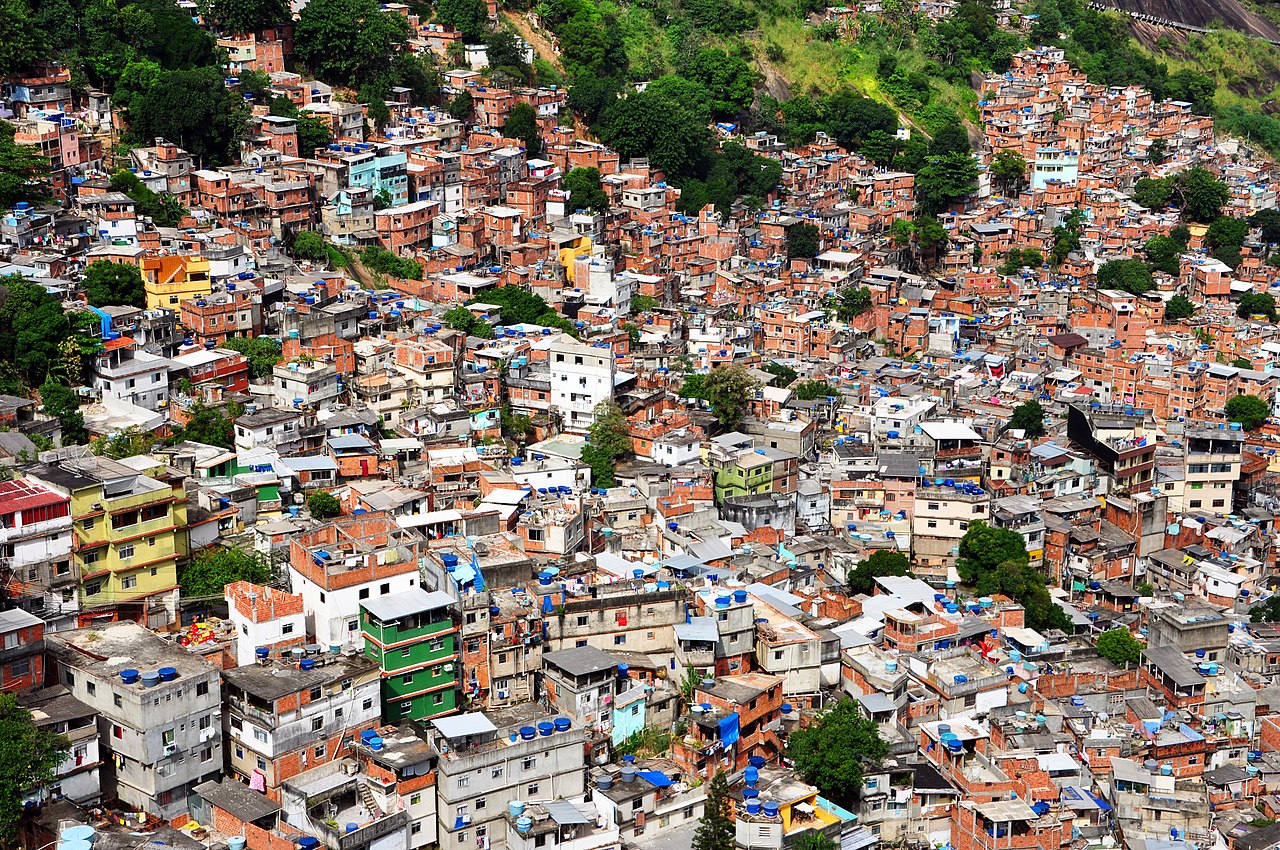


Characteristics and built form
Favelas typically feature small, closely packed dwellings that have been expanded over time. Construction materials range from conventional brick and concrete to recycled materials and improvised elements; many homes are improved gradually as families earn more. Infrastructure—roads, drainage, sanitation and electricity—may be incomplete or informal. Residents often rely on community networks to fill gaps in services and to organize collective projects such as waste removal, street lighting or water access.
Origins and historical development
The phenomenon grew with urban migration in the 20th century when large numbers of rural and marginalized populations moved to cities like Brazil’s Rio de Janeiro and São Paulo seeking work. Early settlements commonly arose on marginal lands around urban areas where land was available but not formally allocated. The term itself has historical roots tied to particular hills and local usage; over time it came to denote similar settlements across the country.
Social life, economy and culture
Favelas are home to a wide range of occupations: informal commerce, artisanship, services, formal employment and cultural industries. Community associations, mutual aid groups and local leadership play important roles in daily life. Many favelas are known for strong cultural contributions—music, dance, sport and religious festivals—that influence broader Brazilian culture. Despite material hardship, residents create social capital and local economies that sustain households.
Challenges, governance and distinctions
Key issues include insecure land tenure, limited access to public services, and socio-economic exclusion. The legal status of specific settlements varies: some areas remain legally irregular while others have undergone processes of formalization and infrastructure upgrades. Public security concerns exist in parts of some favelas, and crime is a feature in some places but not a defining trait of all communities. Debates about favelas often conflate poverty, informality and criminality, obscuring complex realities.
Responses and examples
Cities and civil society have pursued a range of responses: upgrading programs, efforts to regularize land titles, investment in basic services, and community-led urbanism. Some initiatives aim to integrate favelas into municipal planning rather than demolish them. Well-known examples—such as Rocinha or Complexo do Alemão—illustrate both the resilience of residents and the difficulties of addressing inequality at scale. For comparative context, similar informal settlements appear worldwide under different names (shantytowns, slums); see a general definition of shanty town for parallels.
For accessible introductions and further reading from public sources, consult municipal planning materials, NGO reports and urban studies summaries. Topics closely related to favelas include housing policy, land tenure, public health, and urban inequality. For more on how urban form and social dynamics intersect, look at resources on low-income residents and neighborhood change or explore case studies linked in academic and policy literature via portals such as shanty town definitions and comparative urban research (Brazil-focused) and global analyses (urban areas). Additional policy discussions and interventions are frequently documented by community organizations and research centers (recycled materials reuse projects, crime prevention initiatives, land tenure regularization programs).
Related articles
Author
AlegsaOnline.com Favelas: Informal Urban Settlements in Brazil Leandro Alegsa
URL: https://en.alegsaonline.com/art/33682