
Fatu Hiva — remote Marquesan island of French Polynesia
Fatu Hiva is a small, mountainous island in the Marquesas, French Polynesia, known for steep cliffs, lush valleys and small villages such as Hana Vave, Omo'a and Uia. Population roughly 600.
Overview
Fatu Hiva is a tropical island in the central Pacific Ocean and a member of French Polynesia. It lies within the Marquesas Islands, a remote archipelago noted for dramatic volcanic relief and strong Polynesian cultural traditions. The island supports a small, mostly rural population of around 600 people concentrated in a few coastal settlements.
Image gallery
7 Images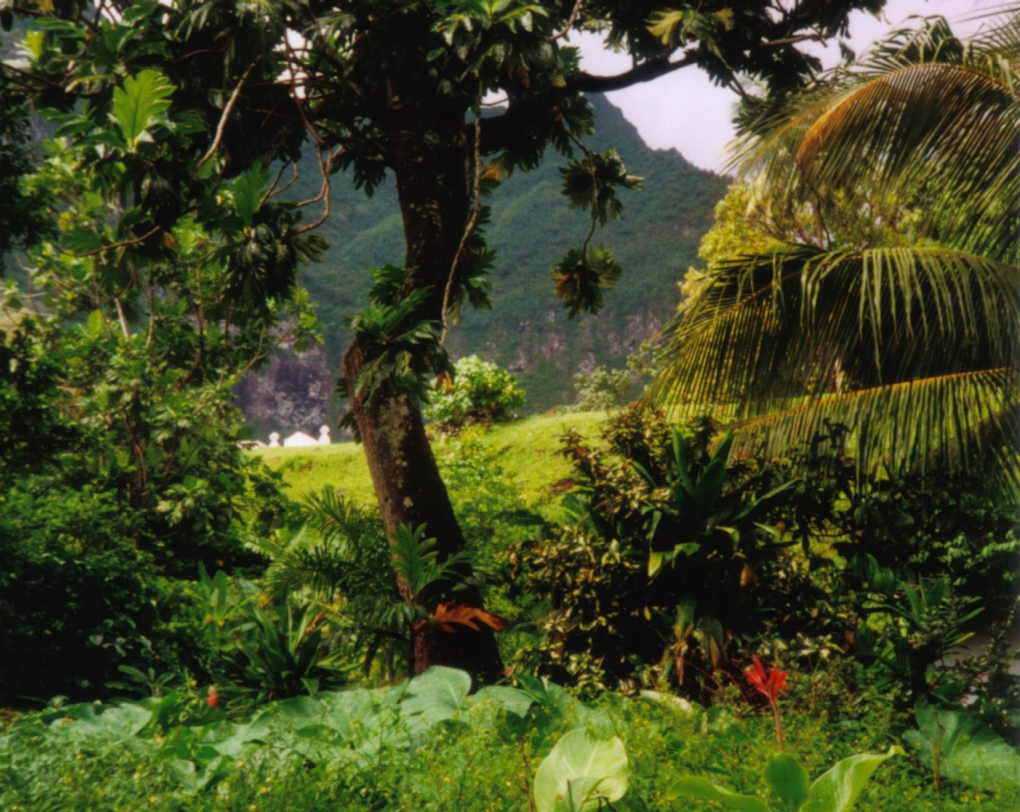




Geography and environment
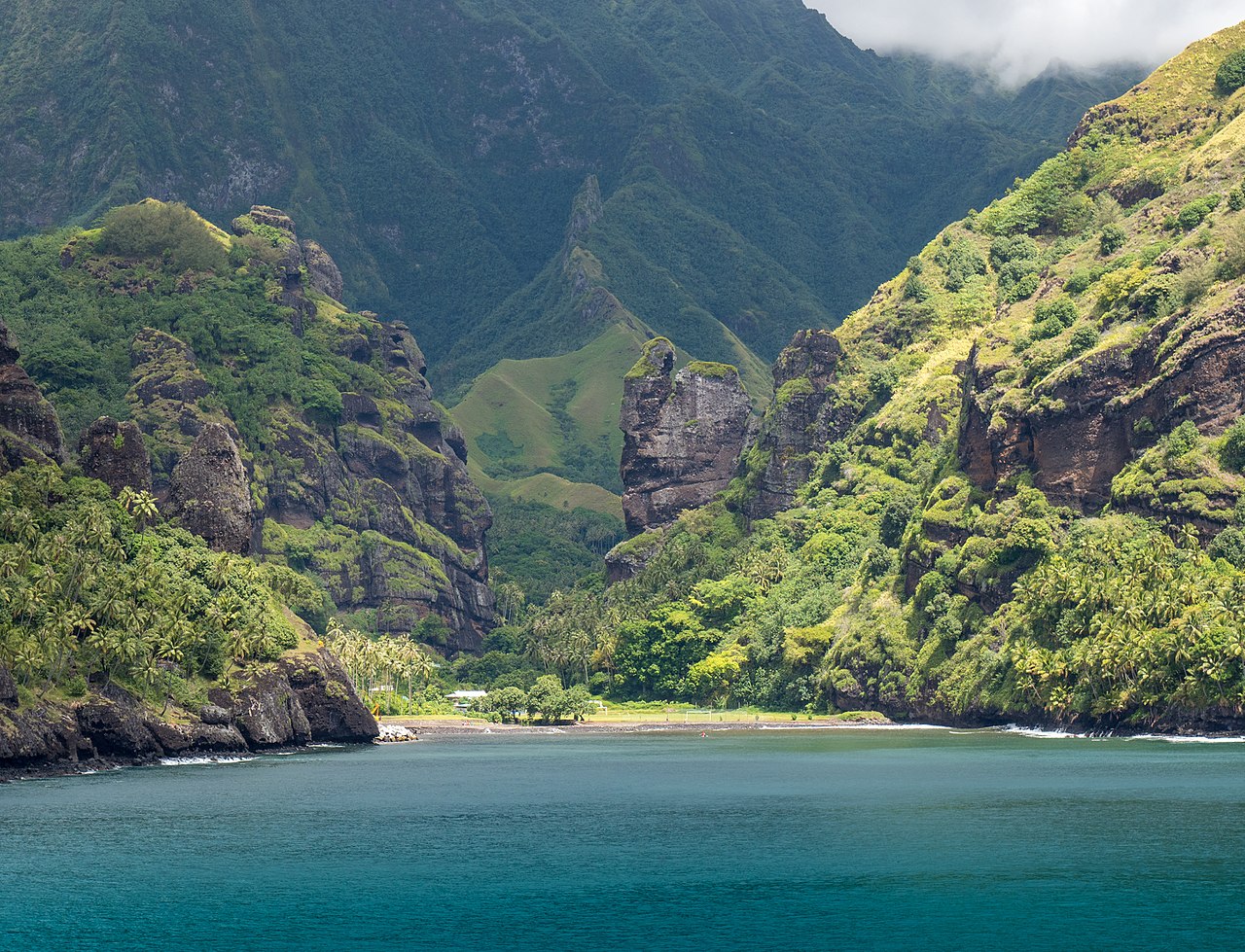
The island is volcanic in origin and marked by steep ridges, deep valleys and narrow coastal plains. Dense tropical vegetation and rainforest cover much of the interior. Several sheltered bays open to the sea; one of the best known is the crescent-shaped bay at Hana Vave, admired for its high enclosing cliffs. The climate is generally warm and humid, with frequent rainfall that sustains the island's lush plant life.
History and culture
Fatu Hiva was settled by Polynesian navigators centuries ago and retains many elements of Marquesan culture, including oral traditions, tattooing, carving and ceremonial practices. European explorers encountered the Marquesas in the modern age of Pacific exploration; since the 19th century the islands have been influenced by missionary activity and later by administration under France. Local languages, crafts and customary knowledge remain important to island identity.
Villages, population and daily life
Three principal villages serve as community and service centers: Hana Vave, Omo'a and Uia. Life on Fatu Hiva centers on small-scale agriculture, fishing and handicrafts. Families cultivate breadfruit, coconut, bananas and taro for local consumption; copra and artisanal goods contribute to household income. Villages are compact and connected by footpaths that climb the narrow coastal terraces between valleys.
Access, economy and uses
Because of its steep shores and lack of major air facilities, Fatu Hiva is reached primarily by sea. Inter-island travel and supply runs connect it to larger Marquesan islands where hospitals, markets and airports are located. Tourism is limited and generally low-impact: visitors come for hiking, cultural exchange and scenic bays rather than mass-resort facilities, keeping the island's economy modest and community-focused.
Distinctive features and conservation
Fatu Hiva is valued for its striking landscape, relatively intact forest and living Marquesan traditions. Conservation concerns include protecting native habitats from invasive species and managing development to preserve cultural sites and freshwater resources. The island remains an example of a small Pacific community balancing traditional ways of life with contacts to the wider world.
- Population: about 600 residents.
- Main settlements: Hana Vave, Omo'a, Uia.
- Setting: volcanic, rainforest-covered, accessed mainly by sea.
Related articles
Author
AlegsaOnline.com Fatu Hiva — remote Marquesan island of French Polynesia Leandro Alegsa
URL: https://en.alegsaonline.com/art/33658