
Father of the Nation (honorific title)
Honorific applied to a person seen as the principal founder or unifier of a country, state, or nation; origins, typical attributes, contested uses, and modern implications.
The phrase "Father of the Nation" is an honorific used to describe a person widely credited with leading the creation, independence, or consolidation of a political community. It is typically applied to an individual whose leadership, ideas or sacrifice are regarded as central to the founding or enduring identity of a country, state or nation. The label is symbolic rather than legal: it expresses popular memory, official recognition, or both, and appears in public ceremonies, school curricula, monuments and national mythmaking.
Image gallery
10 Images
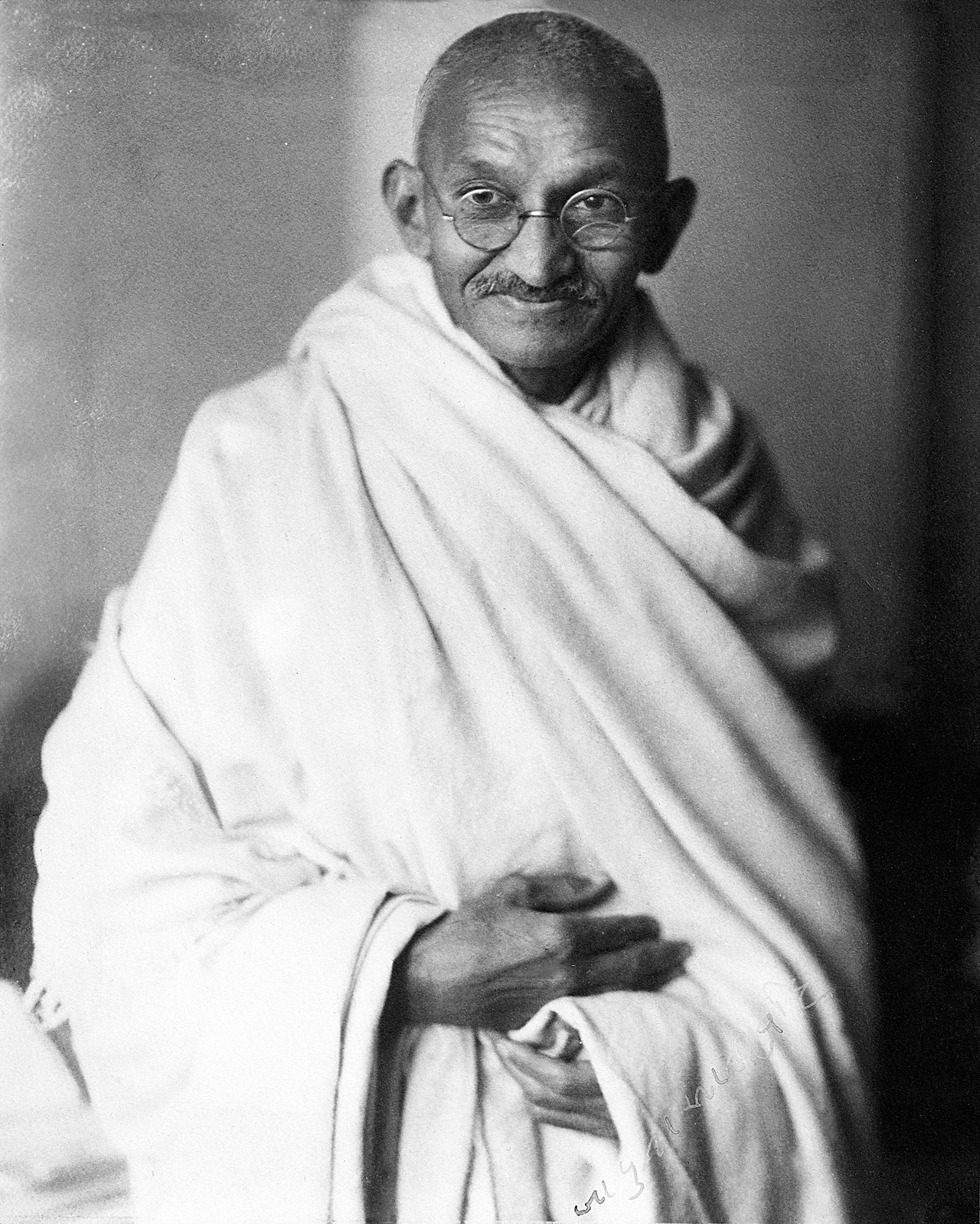


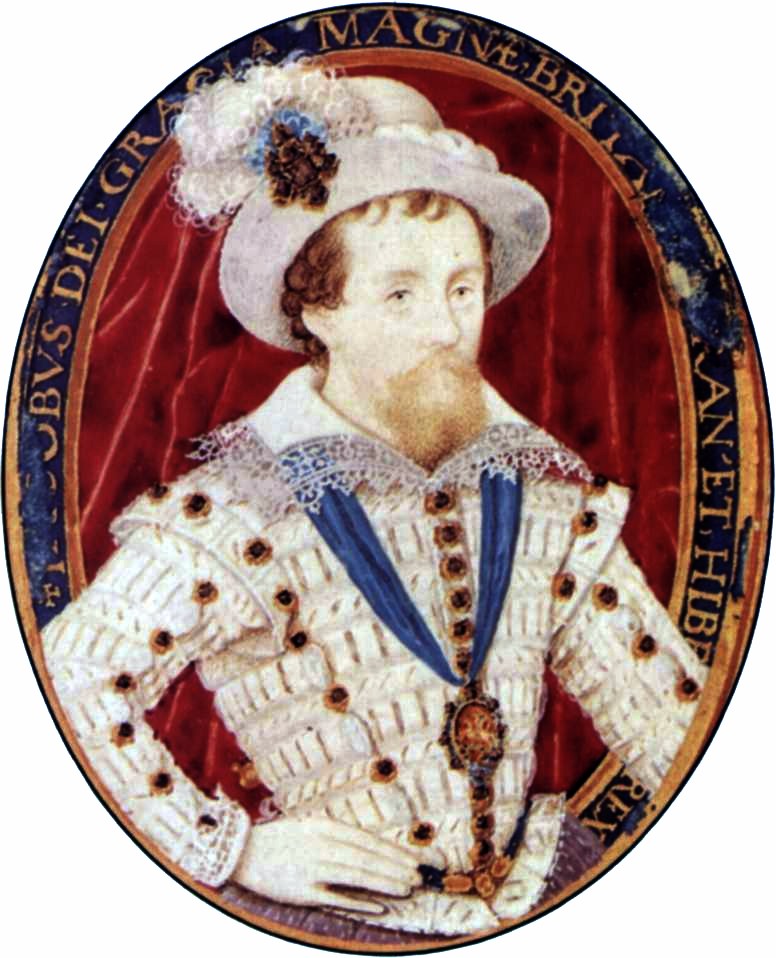
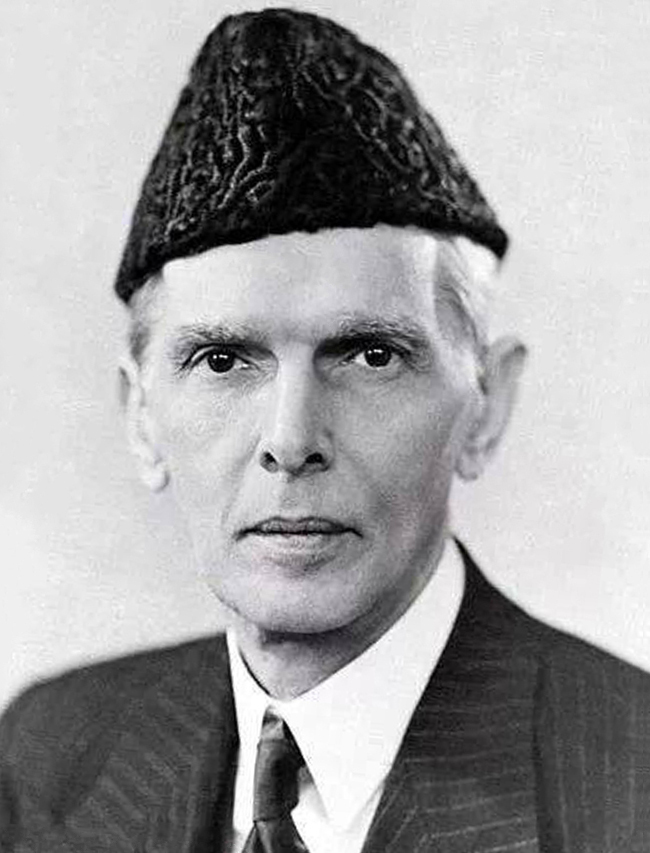


Typical characteristics and how the title is used
People called "Father of the Nation" often share several traits: leadership in a formative struggle, authorship of key documents or institutions, moral authority, and a lasting cultural imprint. The honor can be granted formally by a constitution or parliament, conferred by a political movement, or arise informally through widespread public acclaim. It may be applied during a leader's lifetime or posthumously.
- Formal recognition: some constitutions or laws explicitly name a figure as the national founder.
- Popular veneration: statues, holidays, or school lessons that place the individual at the center of national origin stories.
- Symbolic function: the title anchors collective identity by providing a personal focus for abstract ideals such as independence or unity.
Historical origins and parallels
The idea has deep roots. In ancient Rome the Senate sometimes awarded the epithet Pater Patriae (plural Patres Patriae), meaning "Father of the Fatherland," to military heroes and emperors whose actions were judged foundational. Over centuries monarchs were commonly spoken of as the "father" or "mother" of their people and regarded as a familial head or patriarch; some political systems expressed this in doctrines such as the divine right of kings, while modern constitutional monarchies may describe the sovereign as a symbol of national unity.
Examples and notable contested cases
The designation can be politically sensitive. A constitutional or legislative declaration that names one individual as the "Father of the Nation" may provoke disagreement among rival parties or ethnic groups. For example, the Constitution of Bangladesh adopted in 1972 accorded the title to Sheikh Mujibur Rahman; subsequent political changes led to the removal of that wording in 2004 and public debate involving parties such as the BNP and supporters of the Awami League under leaders like Sheikh Hasina. Such disputes illustrate how the label operates at the intersection of history, memory and contemporary politics.
Functions, distinctions and controversies
Beyond praise, the title can influence legal and cultural practices. Differences arise between being a legally designated founder and being a popularly recognized one. Some nations recognize more than one founding figure, or prefer collective narratives (committees, movements) to single-person founders. Feminine forms—"Mother of the Nation"—are used where appropriate, and some modern debates challenge the gendered language and centralized emphasis on single leaders. Critics argue that over-reliance on hero-centered histories can obscure broader social forces and contributions by ordinary people.
In practice the label serves several purposes: it simplifies complex origins into a coherent story; it provides a focal point for civic ritual; and it can legitimize political claims by associating contemporary actors with revered predecessors. Whether bestowed by law, party, or popular consensus, "Father of the Nation" remains a powerful cultural symbol whose use and acceptance vary with historical perspective and political circumstance. For further context on how the term is applied and contested in different systems, see commentary linked to constitutional examples and historical studies via monarchical and patriarchal traditions and profiles of leading founders such as Sheikh Mujibur Rahman.
Readers interested in comparative cases can consult scholarly surveys and constitutional texts to see where the title is codified or acknowledged, and how rival narratives of national origin evolve over time. The tension between legal recognition and popular memory ensures that the term continues to provoke discussion about who should represent a country's past and how that past should be taught to future generations.
Related articles
Author
AlegsaOnline.com Father of the Nation (honorific title) Leandro Alegsa
URL: https://en.alegsaonline.com/art/33638
Sources
- news.bbc.co.uk : "Country profile: Bangladesh"
- newagebd.net : "Cabinet Pays Homage to Bangladesh's Founding President Sheikh Mujibur Rahman"
- indiacode.nic.in : "Constitution of India" · web.archive.org
- thehindu.com : "Crusade with arms"
- officeholidays.com : "National public holidays of Pakistan in 2013" · webcitation.org
- pakistantoday.com.pk : "Nation celebrates Quaid-e-Azam's birthday"
- un.org : "Nelson Mandela International Day, July 18, For Freedom, Justice and Democracy"
- independent.co.uk : "George Washington: The father of the nation" (January 17, 2009).