
Four Freedoms Award — international prize inspired by FDR's 1941 speech
An international prize established in 1982 that honors individuals and organisations exemplifying Franklin D. Roosevelt's Four Freedoms: speech, worship, from want and from fear.
Overview
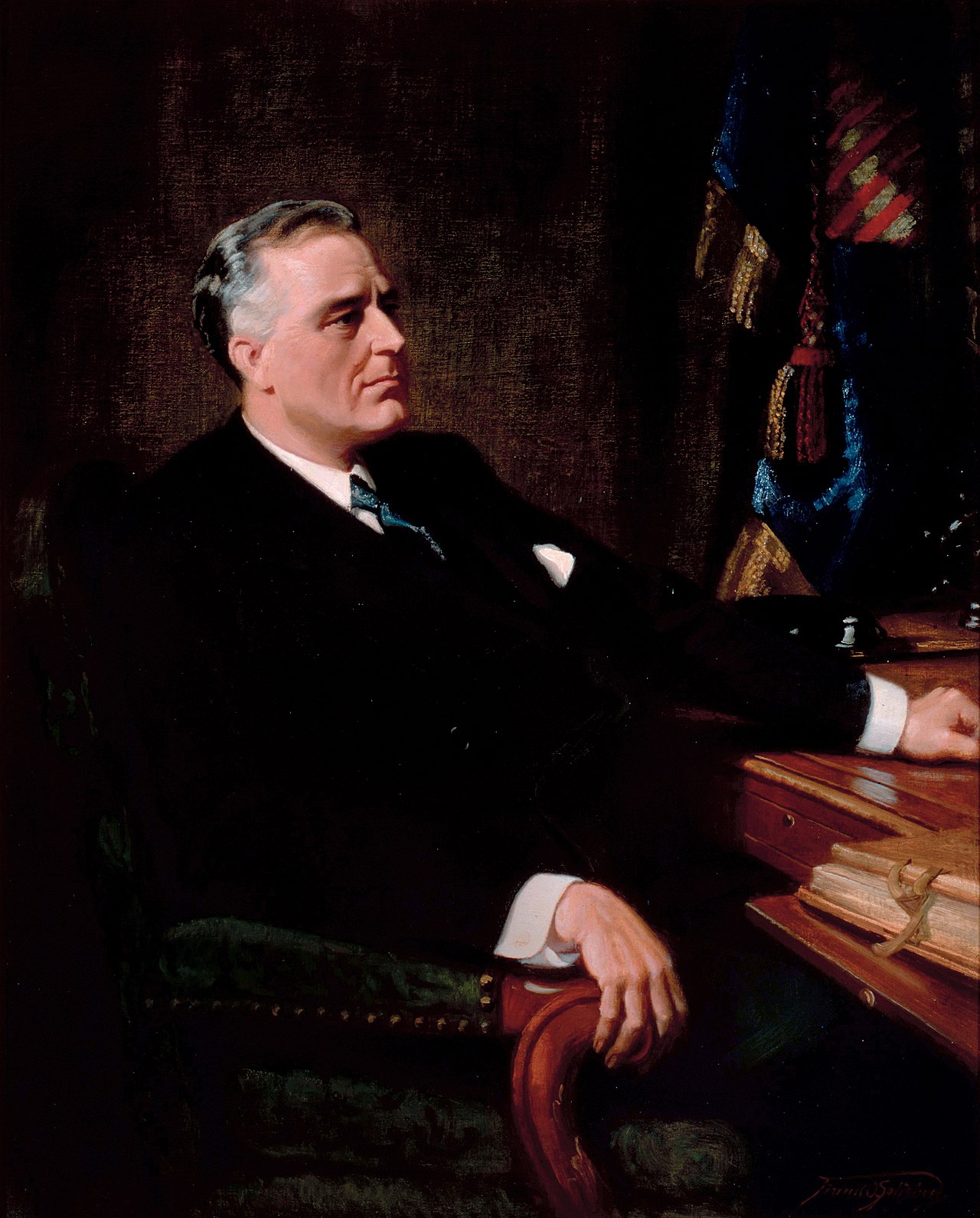
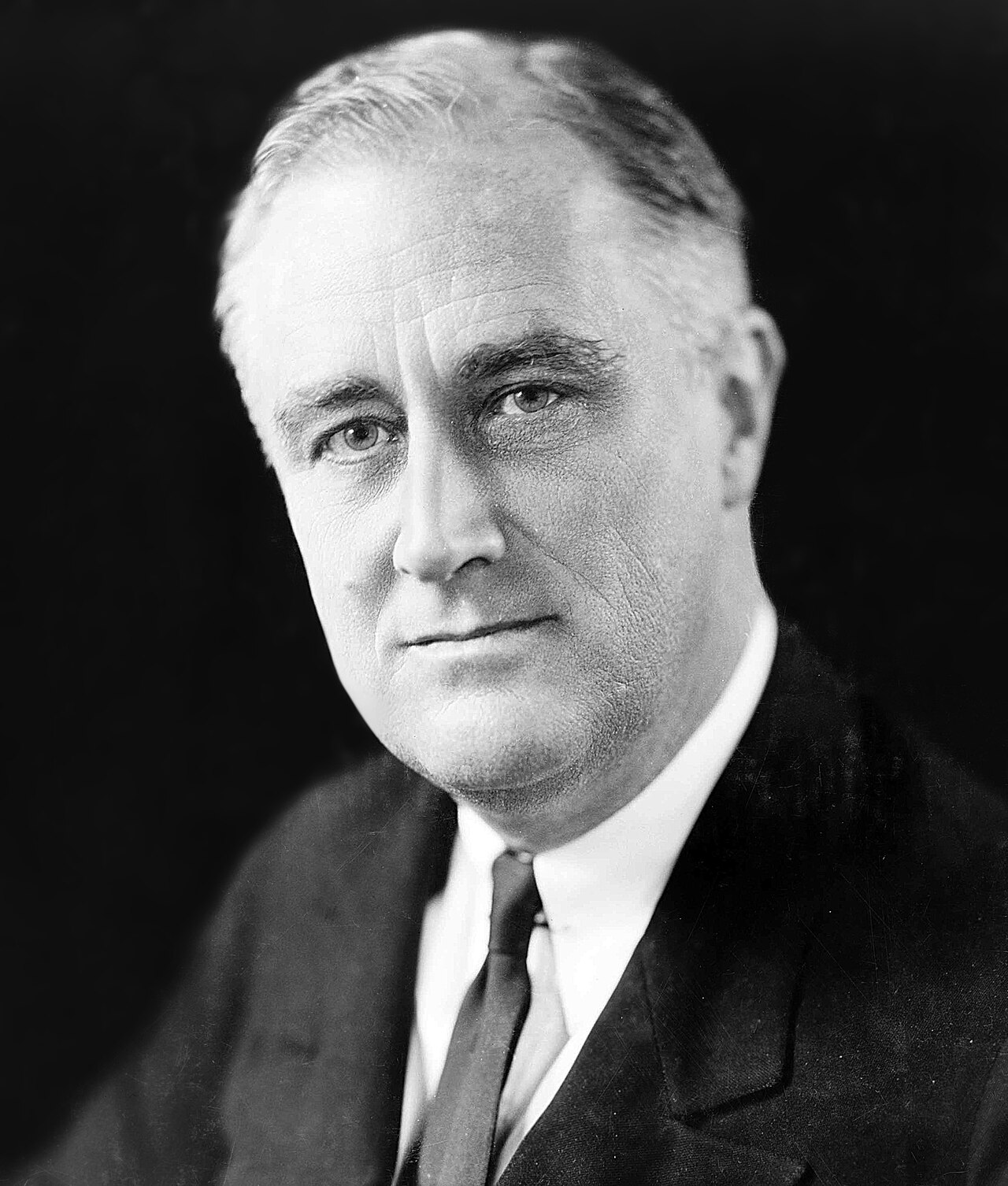
The Four Freedoms Award recognizes people and organizations that have advanced the principles articulated by United States President Franklin D. Roosevelt in his 1941 State of the Union address. Those principles, commonly called the Four Freedoms, set out a moral framework for human rights and democratic values during a time of global crisis. The award has been presented annually since 1982 and aims to highlight contributions to liberty, dignity and security for broad populations.
Image gallery
10 Images



What the award celebrates
Recipients are singled out for work that embodies one or more of the freedoms Roosevelt named. The Four Freedoms are often summarized as:
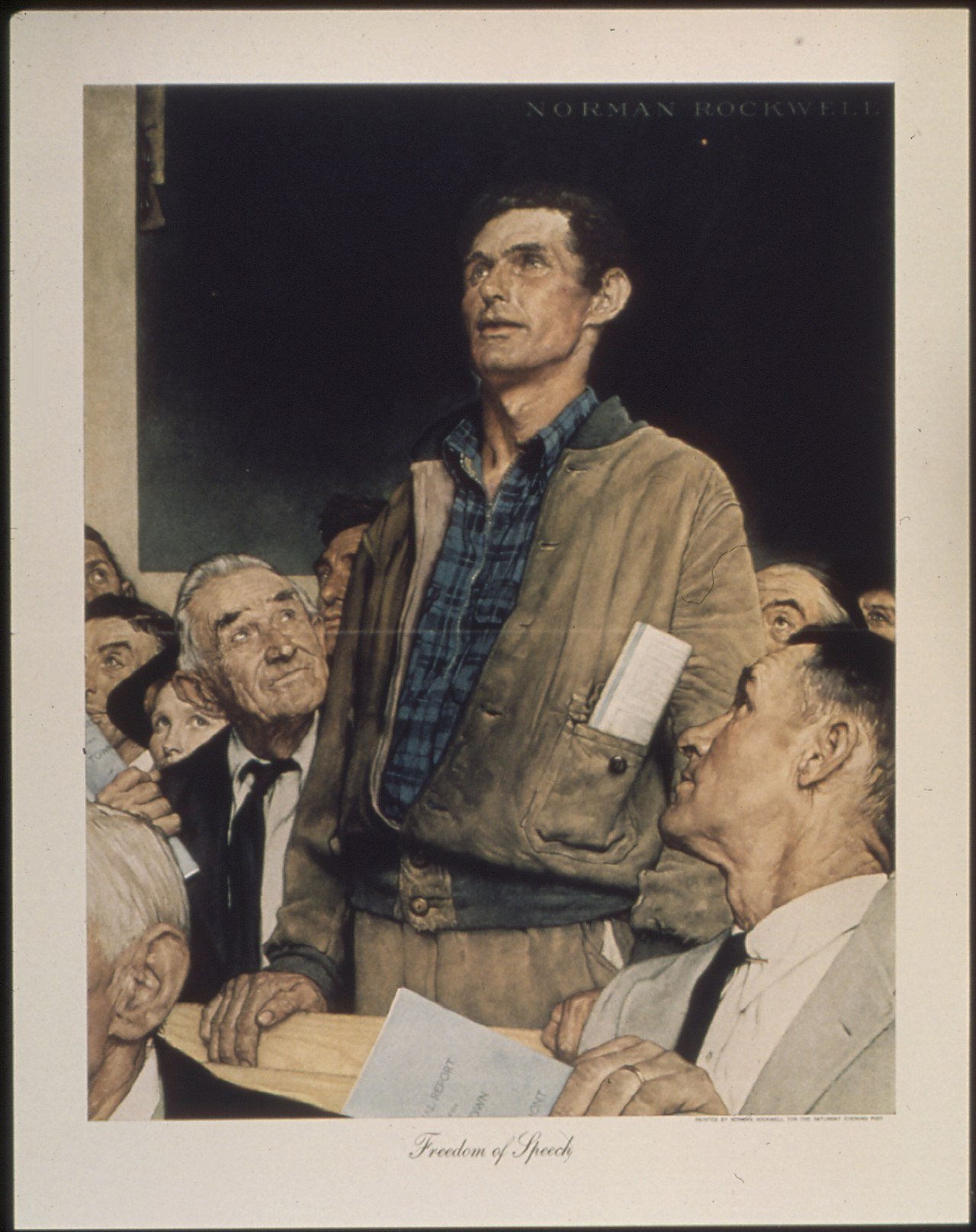
- Freedom of speech and expression — the right to speak, publish and exchange ideas without undue restraint; (see).
- Freedom of worship — the right to practise a religion or to have none, free from persecution.
- Freedom from want — a standard of living adequate for health and well‑being, often interpreted to include social and economic rights.
- Freedom from fear — protection from aggression, violence or policies that threaten personal and collective security; (see).
History and organisation
The awards were inaugurated in 1982 and have a distinctive international schedule. In odd years the prize is awarded to citizens of the United States by the Franklin and Eleanor Roosevelt Institute in Hyde Park, New York, which administers the American ceremony and selection; the institute is commonly referenced in connection with the award (organizer). In even years a ceremony in the Netherlands honours non‑American laureates. The choice of a Dutch venue reflects historical family ties between the Roosevelts and the province of Zeeland.
Selection, categories and ceremony
Laureates have included activists, statespeople, organisations and cultural figures whose work has furthered civil liberties, humanitarian aid, democratic institutions or peacebuilding. The prize does not adhere to a single professional field; instead it emphasizes results and public impact. Selection is made by committees that review nominations and seek to connect contemporary achievements with the spirit of the Four Freedoms. Occasionally special awards or commemorative recognitions are also bestowed.
Importance and examples
The Four Freedoms Award functions both as recognition and as a public affirmation of enduring democratic principles. It draws attention to struggles for human rights, economic security and peace, and it often raises the profile of causes and organisations that address systemic injustice or humanitarian need. Because the award alternates internationally, it highlights both American and global contributions to these ideals.
Distinguishing features and notable facts
Key points that set the Four Freedoms Award apart include its direct inspiration from a landmark presidential address, its alternating venue and focus between the United States and the Netherlands, and its broad interpretation of human dignity — encompassing speech, worship, material welfare and safety. The award combines symbolic commemoration with contemporary relevance, inviting reflection on how the Four Freedoms continue to shape debates about rights and responsibilities in the modern world.
For further reading about the Four Freedoms themselves and the institutions that steward the award, consult dedicated resources and the organizations connected with the ceremonies: the Four Freedoms framework (overview), American administration in Hyde Park (institute), and information linked from the official award pages and archival materials (U.S. context), (speech and expression), (security and safety).
Questions and answers
Q: What is the Four Freedoms Award?
A: The Four Freedoms Award is an annual award presented to people and organisations who have demonstrated the principles of the Four Freedoms outlined by US-president Franklin Delano Roosevelt in his State of the Union speech on 6 January 1941.
Q: What are the four freedoms described by President Roosevelt?
A: President Roosevelt described four human rights that he believed were necessary for democracy to survive and flourish, which included freedom of speech and expression, freedom of worship, freedom from want and freedom from fear.
Q: Where has the award been given since 1982?
A: Since 1982, the awards have been alternately given in both The United States and The Netherlands. In odd years they are presented to Americans by the Franklin and Eleanor Roosevelt Institute in Hyde Park, New York while even years see a ceremony held in Middelburg honouring non-Americans.
Q: Why was Middelburg chosen as a location for awarding non-Americans?
A: The choice for Middelburg was motivated by a suspected descendance of the family Roosevelt from Oud-Vossemeer village located in Zeeland province.
Q: Who presents these awards?
A: These awards are presented by either the Franklin and Eleanor Roosevelt Institute or other special presenters depending on where it is being awarded.
Q: Are there any special awards given out occasionally?
A: Yes, occasionally special awards may be given out alongside regular ones during certain years.
Q: When did President Roosevelt first describe his Four Freedoms?
A: President Roosevelt first described his Four Freedoms during his State of Union speech on 6 January 1941.
Related articles
Author
AlegsaOnline.com Four Freedoms Award — international prize inspired by FDR's 1941 speech Leandro Alegsa
URL: https://en.alegsaonline.com/art/35887
Sources
- commons.wikimedia.org : Four Freedoms Awards
- en.wikisource.org : The Four Freedoms speech
- rooseveltinstitute.org : List of laureates
- youtube.com : TV documentary on the Four Freedoms Award
- americanrhetoric.com : Four Freedoms Speech