
Farah Province (Afghanistan)
Farah Province is a large, sparsely populated province in western Afghanistan on the border with Iran. Its capital is Farah; the population is predominantly Pashtun and the economy is mainly agricultural and trade-oriented.
Farah Province (Pashto: name in Pashto; Persian: name in Persian) is one of the thirty-four provinces of Afghanistan. Located in the western part of the country, it borders the neighbouring country of Iran. The provincial capital and largest urban centre is the city of Farah. The province covers a large area and is noted for its relatively low population density compared with many other provinces; it is commonly described as one of Afghanistan's largest provinces by surface area.
Image gallery
10 Images
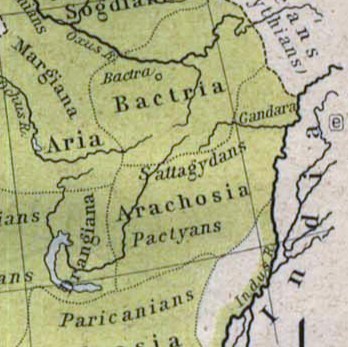


Geography and administration
Farah's landscape includes dry plains, seasonal river valleys and irrigated agricultural tracts where water is available. Climatic conditions are typically arid to semi-arid, with wide seasonal temperature differences and limited rainfall. The province is administratively divided into several districts that connect rural communities with the provincial capital. Road links and border crossings influence local movement and commerce, though infrastructure quality varies widely between districts.
Population, language and culture
The majority of the province's inhabitants identify as Pashtun and speak Pashto; Dari (Persian) is also spoken by many residents and by smaller communities. Tribal affiliations and customary local authorities play an important role in social organisation. Cultural life centers on village and market activities, pastoralism and seasonal farming, and social ties often extend across the nearby international border.
Economy and transport
Agriculture and animal husbandry are principal livelihoods where water and irrigation permit cultivation: cereals, orchards and livestock production support many households. The provincial capital serves as a regional market and service centre. Cross-border trade with Iran and internal caravan routes historically contributed to local economies; today formal and informal trade and movement continue to shape livelihoods. Transport links range from paved roads near major towns to unpaved routes in remote areas, affecting access to services and markets.
History, security and development
Farah occupies a strategic position on historic east–west routes and has long participated in broader regional interactions. In recent decades the province has experienced security challenges and episodes of insurgent activity that have affected governance, development and population movement. These conditions, together with geographic constraints and limited infrastructure, have influenced the pace and pattern of development efforts. National authorities and international partners have at times engaged in projects to improve roads, irrigation and public services.
Overview
Related articles
Author
AlegsaOnline.com Farah Province (Afghanistan) Leandro Alegsa
URL: https://en.alegsaonline.com/art/33510
Sources
- nps.edu : Afghanistan's Provinces–Farah
- nps.edu : NPS
- mrrd.gov.af : "Provincial Development Plan, Farrah Provincial Profile"
- fao.org : Afghanistan Geographic & Thematic Layers
- aims.org.af : "Loading"