
Fanfare for the Common Man
A short, iconic brass-and-percussion work by Aaron Copland (1942) evoking wartime ideals. Widely performed, adapted, and used in public ceremonies, broadcasts, and popular recordings.
Overview
Fanfare for the Common Man is a brief, solemn work written in 1942 by Aaron Copland. Commissioned for a series of short ceremonial pieces for the Cincinnati Symphony Orchestra, it quickly became one of Copland's most recognizable compositions. The fanfare's title and mood reflect the World War II era's emphasis on ordinary citizens and democratic values.
Image gallery
3 Images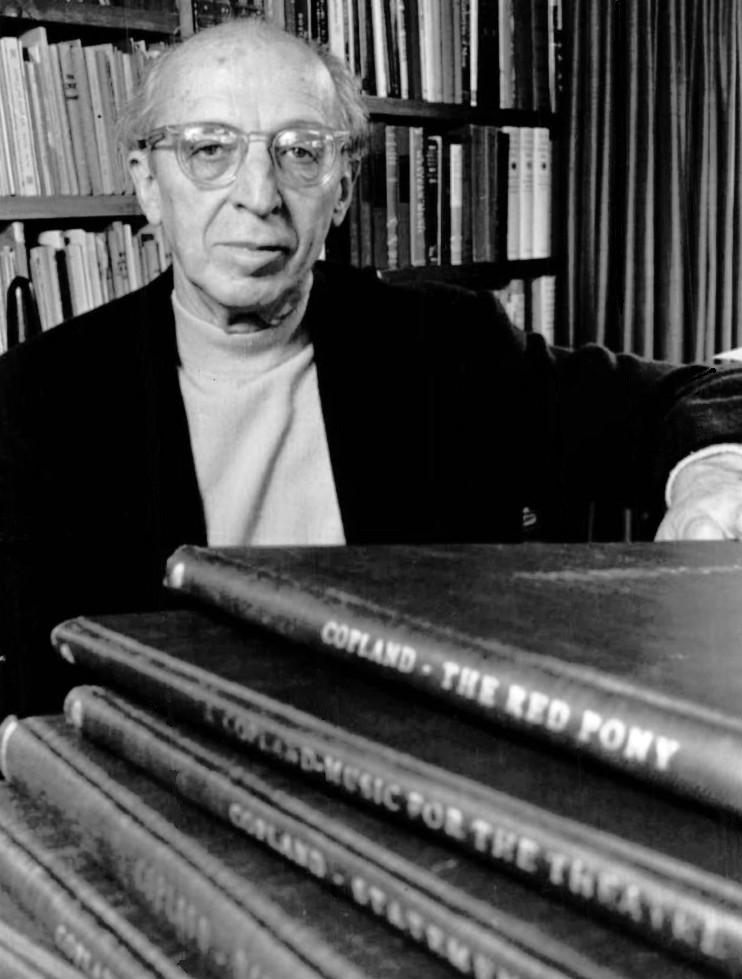


Musical character and scoring
The piece is scored for brass and percussion. Its musical language is spare and direct: open sonorities, broad intervals, and a slow, deliberate pulse give the work a monumental, spacious quality. Although brief—performances typically last around three to four minutes—the fanfare makes a strong, declarative statement. Copland later incorporated its material into the finale of his Third Symphony, extending its reach into his orchestral output.
History and context
Written during the Second World War, the fanfare was one element of a wartime effort to uplift public morale through music. A conductor of the Cincinnati Symphony Orchestra commissioned a set of fanfares from American composers, and Copland's contribution stood out for its dignity and simplicity. The title echoed contemporary talk of the "common man," a phrase used to highlight democratic ideals in wartime rhetoric.
Uses, arrangements, and popular adaptations
- Public events: The fanfare is frequently heard at civic ceremonies, patriotic celebrations, sporting events and other public occasions.
- Broadcast and media: Its clear, resonant profile makes it a favorite for television and radio openings, documentary cues, and trailers.
- Arrangements: Originally for brass and percussion, the work has been arranged for full orchestra, brass ensembles, concert bands, and percussion groups; it has also been adapted into rock and other popular styles.
Notable facts
The fanfare's plain textures and majestic gestures have helped it become emblematic of mid-20th-century American concert music. Scores and recordings are widely available for study and performance; for reference materials and editions, consult the published score and reputable recordings. Its enduring presence in concert programs and media underscores both its artistic impact and broad public appeal.
Related articles
Author
AlegsaOnline.com Fanfare for the Common Man Leandro Alegsa
URL: https://en.alegsaonline.com/art/33468