
Family Computer Disk System (Famicom Disk System)
A 1980s Nintendo add-on for the Japanese Famicom that used proprietary floppy-style disks to enable rewritable games, onboard saves and expanded audio; notable for unique releases and piracy challenges.
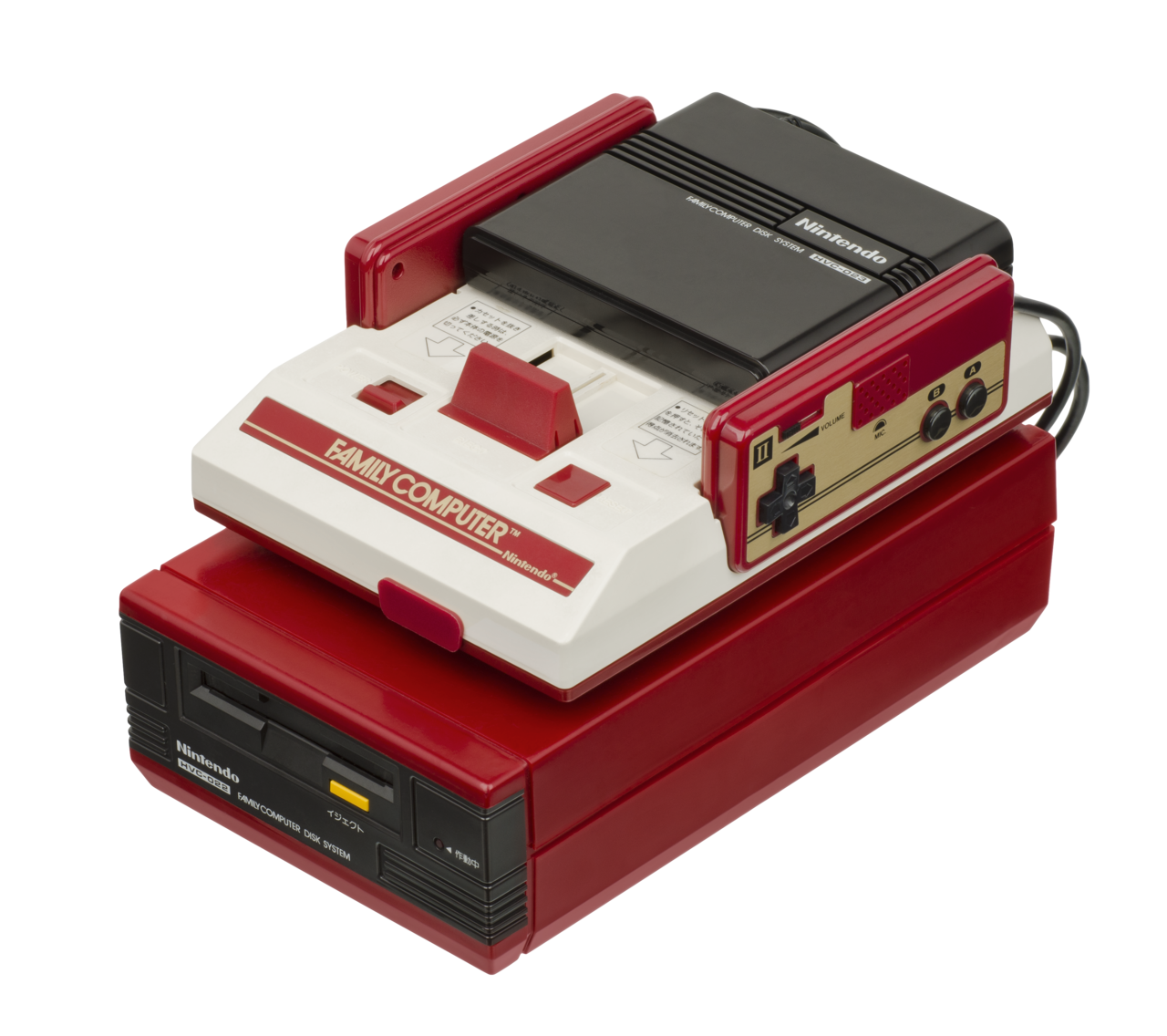
The Family Computer Disk System (commonly called the Famicom Disk System or FDS) was an add-on peripheral released by Nintendo for the Japanese Family Computer (Famicom) in the mid-1980s. It used small proprietary floppy-style media to distribute games and to provide affordable manufacturing and writable storage for saved progress. While the hardware shared the Famicom's fundamentals, it added capabilities that cartridges of the time typically lacked.
Image gallery
4 Images

Hardware and media
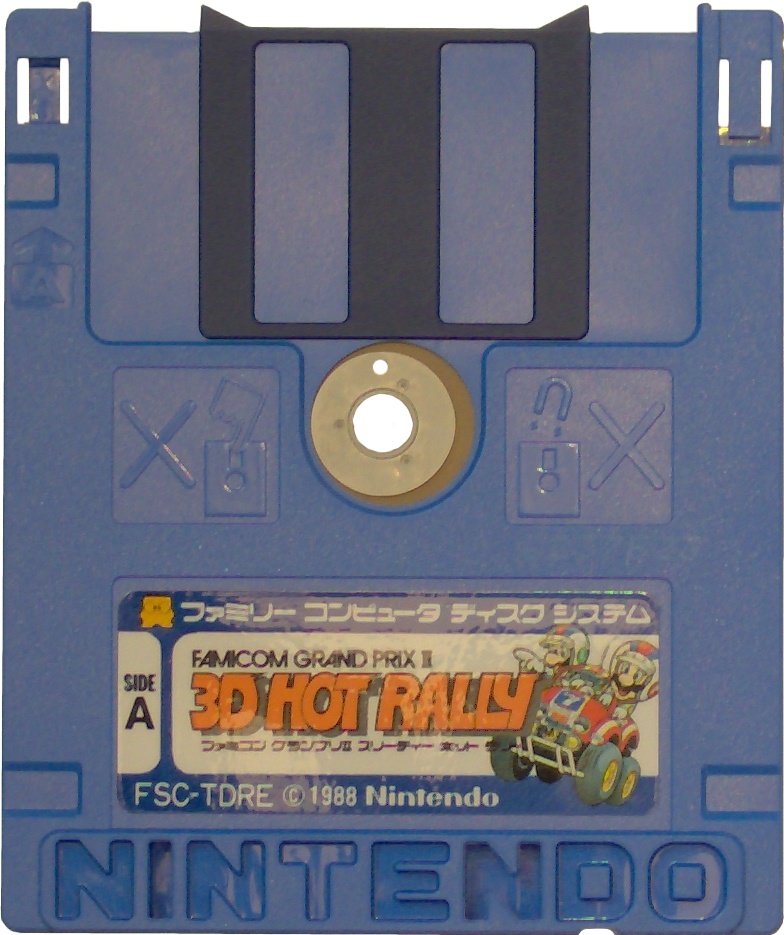
The system consisted of a disk drive unit that connected to the Famicom and a RAM adapter that plugged into the console's cartridge slot. Games were sold on proprietary disk cards, a form of floppy disk-like media that could be rewritten. The drive allowed games to store player data directly on the disk and in some cases offered additional audio features available only when the game ran through the Disk System hardware.
Distribution, services, and piracy
Nintendo supported the platform with dedicated retail services: customers could buy disks preloaded with games or use in-store "Disk Writer" kiosks to write titles onto blank media for a fee. Those same writable disks and the relatively simple copying process contributed to widespread unauthorized copying and distribution, a problem often discussed under the topic of video game piracy. Plans or announcements for international releases—particularly in North America for the Nintendo Entertainment System—were considered but the Disk System ultimately remained a Japan-only product.
Software and legacy
The Famicom Disk System hosted a number of now-famous titles and early entries that later appeared on cartridge-based systems. Because disks could be rewritten, Nintendo used the medium for demos, low-cost reissues and experimental releases. The platform's problems—media fragility, slower loading and rampant copying—helped push the industry toward ROM cartridges with built-in save memory and stronger copy-protection schemes in subsequent console generations.
Why it matters
- Introduced affordable rewritable distribution and easy game saving to home consoles.
- Served as a testing ground for distribution services such as disk writing kiosks.
- Influenced Nintendo's later hardware and anti-piracy decisions.
For collectors and historians the Famicom Disk System remains notable for its unique library, its place in Nintendo's evolution, and the way it illustrated trade-offs between flexible media and protection against unauthorized copying.

Known games
A selection of popular games that were released for the Famicom Disk System:
- Akumajō Dracula (Castlevania)
- Dracula II: Noroi no Fūin (Castlevania II: Simon's Quest)
- Yume Kōjō: Doki Doki Panic
- Excitebike
- Hikari Shinwa: Parutena no Kagami (Kid Icarus)
- Metroid
- Super Mario Bros.
- Zelda no Densetsu (The Legend of Zelda)
- Rinku no Bōken (Zelda II: The Adventure of Link)

Related articles
Author
AlegsaOnline.com Family Computer Disk System (Famicom Disk System) Leandro Alegsa
URL: https://en.alegsaonline.com/art/33437