
Feature phone
A feature phone is a mobile device focused on calls and messages with limited app support. It prioritizes battery life, durability and simplicity and remains common as a low-cost or specialist alternative to smartphones.
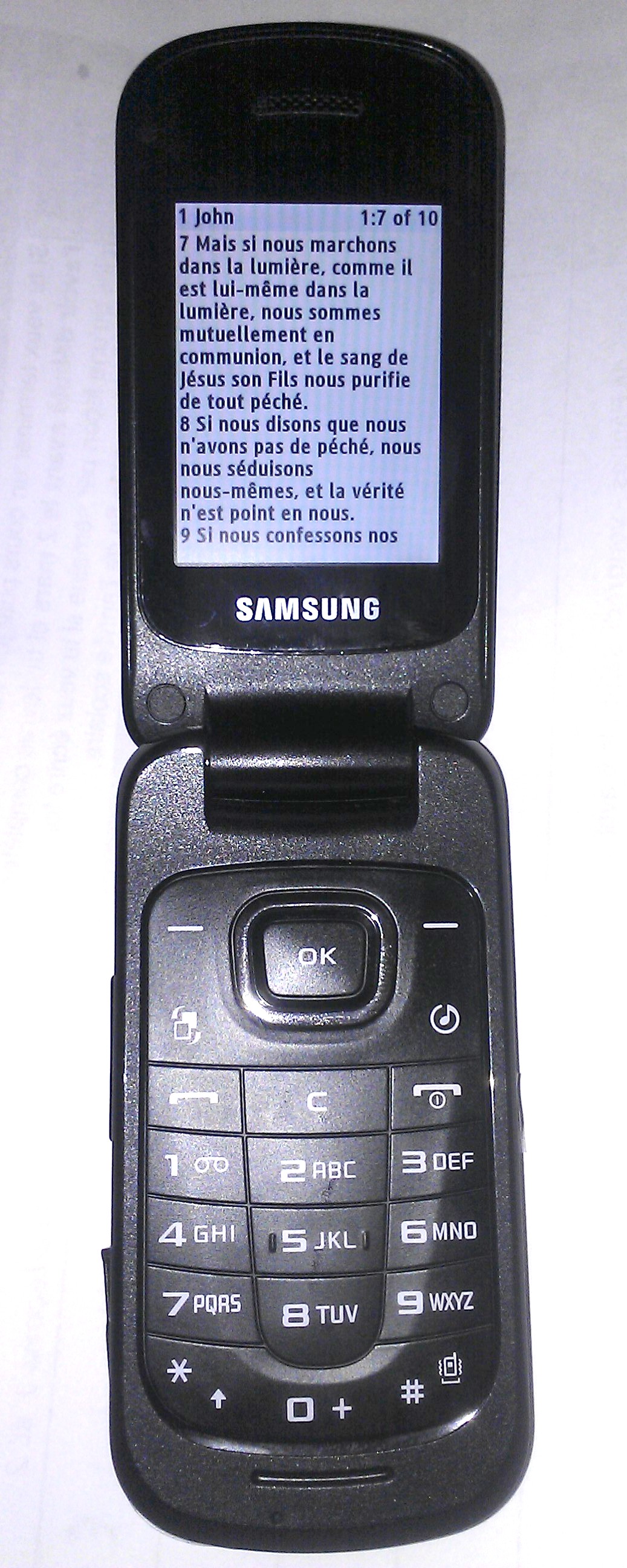
A feature phone is a type of mobile phone designed mainly for voice calls and text messaging rather than the broad application ecosystems found on modern smartphones. Often called a "dumbphone" in casual use, the term describes devices with modest processing power and limited third‑party software support. Although some models can play audio or video and offer basic multimedia, the user experience emphasizes straightforward communication, long battery life and affordability over extensive features.
Image gallery
6 Images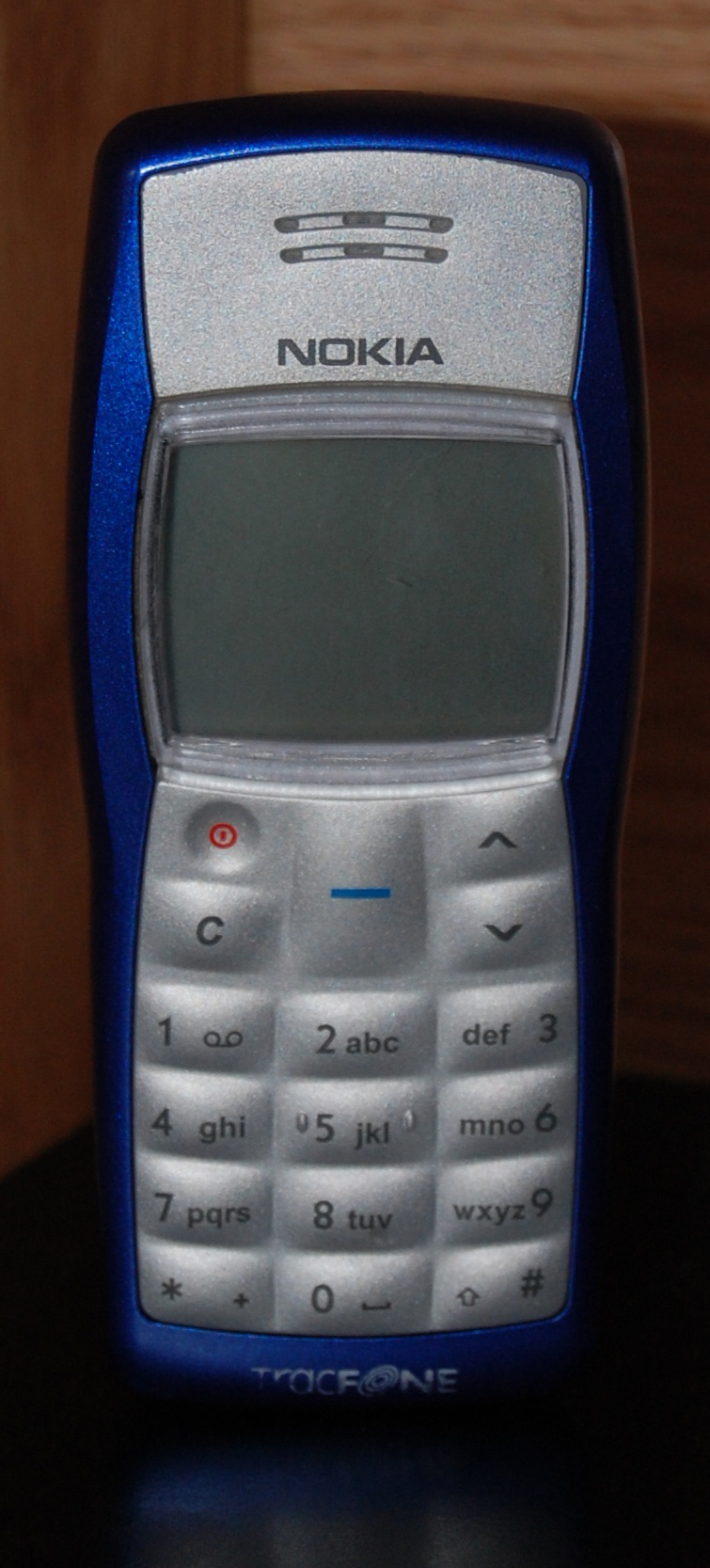



Characteristics and common features
Feature phones typically include a physical keypad or a small touchscreen and a compact display. Many models offer simple cameras, FM radio, Bluetooth and lightweight browsers for occasional internet access. Network connectivity has evolved: older devices used 2G, while many contemporary feature phones support 3G or even 4G data for voice and basic online services—some specifically provide 3G connectivity. A subset of newer devices incorporates limited touch input similar to early touchscreens, but they still lack the processing capability and app ecosystems of smartphones.
- Longer battery life compared with smartphones
- Robust builds and simple user interfaces
- Minimal app support; sometimes preloaded proprietary apps
- Design variants: candybar, flip (clamshell), slider and ruggedized models
History and development
Feature phones trace their roots to the 1990s and early 2000s, when most mobile handsets focused on calling and SMS. Manufacturers refined hardware and form factors through the 2000s, adding cameras, color displays and basic data services. With the rise of touchscreen operating systems and full app stores in the late 2000s, many consumers shifted to smartphones. Since then feature phones have remained in production, adapted for cost-sensitive markets and for users who prefer minimal functionality.
Uses, markets and importance
Feature phones remain widely used where cost, battery endurance or simplicity matter: in many emerging markets, for older adults or as secondary/backup phones. They can provide reliable voice service in regions with limited mobile broadband and are sometimes chosen for privacy reasons because they run fewer networked apps and store less data. Some modern feature devices bridge the gap to smart services by supporting lightweight social or messaging platforms, including access to popular social networking services via simplified clients.
Distinctions and notable trends
The main distinction from smartphones is the limited ability to install and run arbitrary third‑party software, which constrains customization and the app-driven experiences users expect on fully featured devices. Recently, an intermediate category — sometimes called "smart feature phones" — has emerged, combining basic internet-enabled services with low cost and long battery life. While feature phones are commonly perceived as lower-end products, they retain practical advantages and remain a deliberate choice for many consumers.
Questions and answers
Q: What is a feature phone?
A: A feature phone is a type of mobile phone that allows people to make phone calls and send text messages, but cannot perform advanced tasks like a smartphone.
Q: What can modern feature phones do?
A: Modern feature phones can have smartphone-like features such as 3G connectivity, touchscreens, and access to popular social networking services.
Q: Why are feature phones also called dumb phones?
A: Feature phones are also called dumb phones because they do not support software made by other companies as much as smartphones.
Q: Why do people often buy feature phones?
A: People often buy feature phones because they are cheaper than smartphones, especially in emerging markets.
Q: What has happened to feature phones in recent years?
A: In recent years, phone makers have begun to make and sell cheap smartphones in places where high-end smartphones are not popular, thus making feature phones very low quality products.
Q: What tasks can feature phones perform?
A: Feature phones can perform basic tasks like making phone calls and sending text messages, and some models can also play multimedia and access the Internet.
Q: What is the main difference between feature phones and smartphones?
A: The main difference between feature phones and smartphones is that smartphones can perform more advanced tasks and support software made by other companies.
Related articles
Author
AlegsaOnline.com Feature phone Leandro Alegsa
URL: https://en.alegsaonline.com/art/33786
Sources
- cnet.com : "The 411: Feature phones vs. smartphones"
- forbes.com : "Two Weeks With A Dumb Phone"
- online.wsj.com : "Smartphone Makers Aim at Emerging Markets With Low-End Devices"
- gadgets.ndtv.com : "Jivi Launches 'Cheapest Android-Based Smartphone in India' at Rs. 1,999"