
Fake news — misinformation, disinformation and false reporting
An overview of fake news: definitions, types, history, how it spreads, its social effects, and common responses such as fact‑checking and media literacy.
Fake news refers to news reports, stories, or content that are false or misleading and presented as legitimate journalism. The label covers a range of phenomena: deliberate fabrications intended to deceive, inaccurate reports spread without intent to mislead, and distorted accounts that omit context to create a false impression. In everyday use the term can be applied broadly, from hoaxes and rumor to politically motivated propaganda; it is therefore useful to separate the common forms when discussing causes and remedies.
Image gallery
10 Images


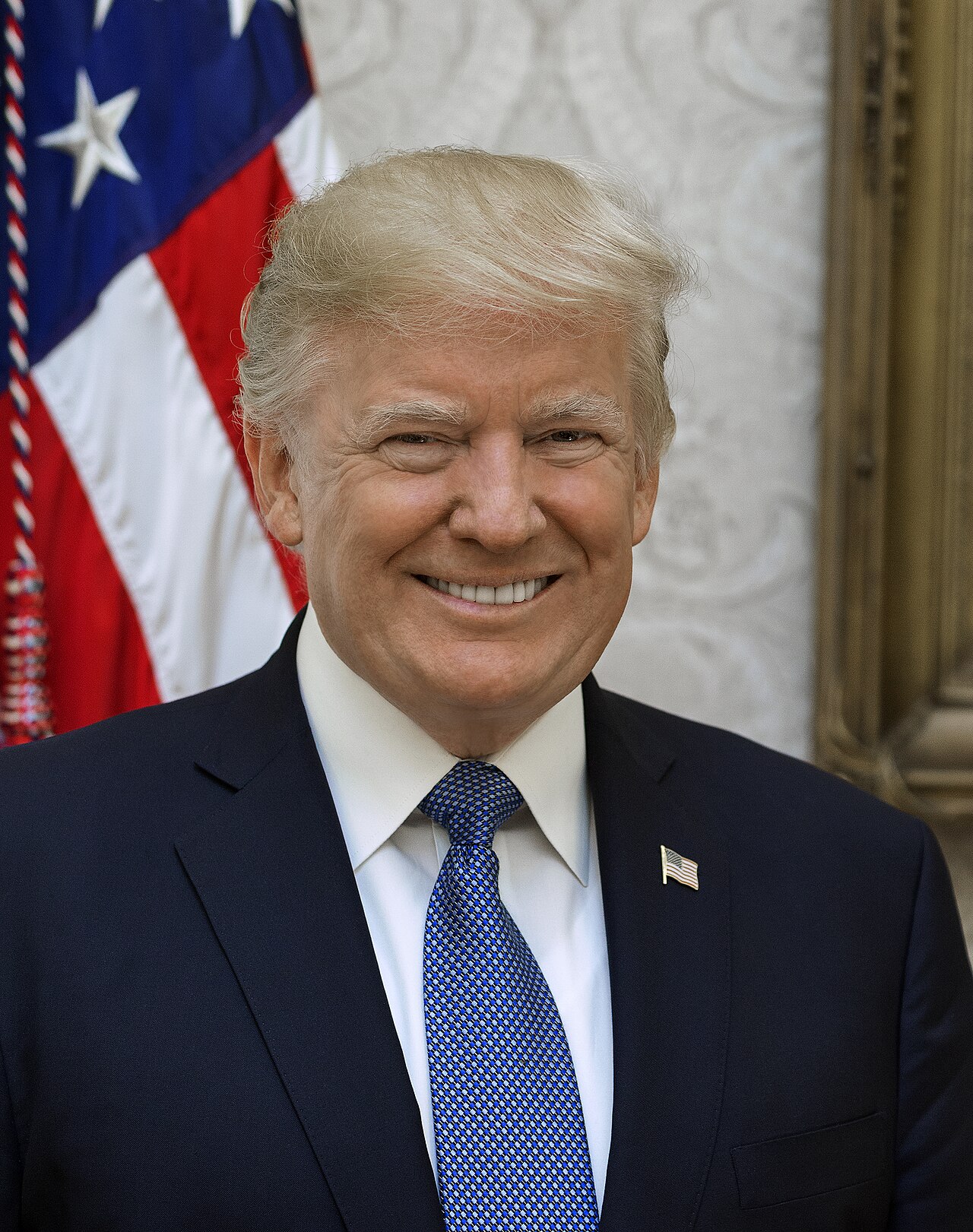




Types and characteristics
- Misinformation: false or incorrect information shared by people who do not intend harm.
- Disinformation: deliberately produced falsehoods spread to influence opinion, damage reputations, or sow confusion.
- Malinformation: genuine information used out of context or with malicious intent.
- Typical features include sensational headlines, lack of verifiable sourcing, manipulated images or video, and rapid circulation via social platforms.
Distinguishing fake news from ordinary reporting errors, satire, or legitimate opinion requires checking sources, confirming dates and context, and consulting reputable fact‑checking services. Satire publishes knowingly invented stories for humor or critique, while mistaken reporting results from poor verification rather than intent to deceive.
History and development
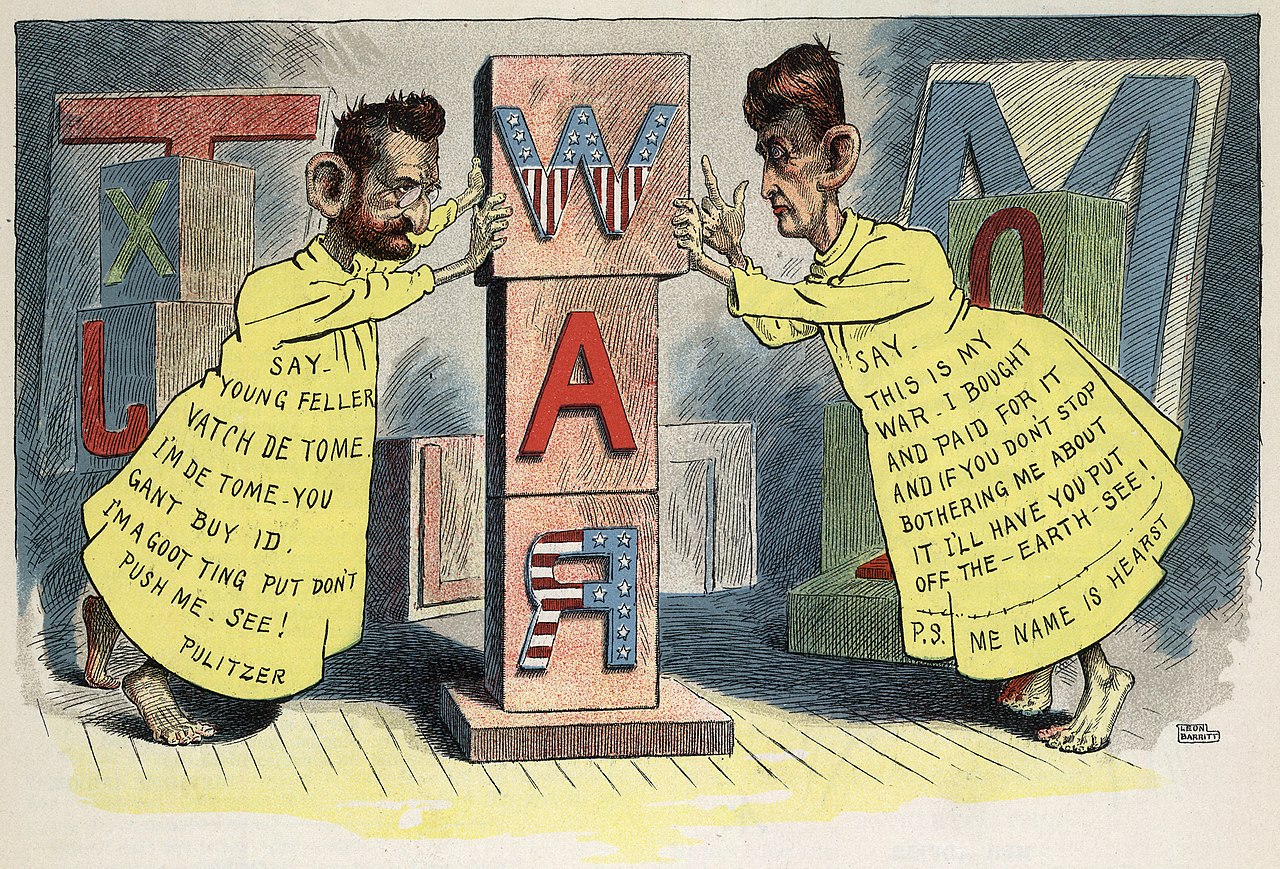
False or misleading stories have existed as long as mass communication: historical examples include political pamphlets, sensationalist 'yellow journalism', and staged hoaxes. The modern phrase "fake news" gained widespread public attention in the 2010s, driven by the growth of online social media and the ease with which fabricated content can reach large audiences. Public figures and commentators have used the term in different ways, sometimes to describe deceptive stories and sometimes to challenge unfavorable coverage.
The internet changed both the scale and speed of circulation. Automated accounts, microtargeted advertising, and algorithmic amplification can increase reach, while declining trust in institutions makes audiences more receptive to contrary narratives. These dynamics attracted attention from researchers, journalists, technology companies, and policymakers concerned about electoral interference, public health risks, and social polarization.
Impacts and responses
Fake news can affect public opinion, civic trust, and individual decisions—examples range from political campaigning to health information. Responses combine technical, journalistic, educational, and regulatory approaches. Platforms have introduced policies to label or reduce visibility of demonstrably false content; independent fact‑checking organizations verify claims and publish corrections; educators promote media literacy so people can evaluate sources and spot manipulation.
- Fact‑checking: systematic verification of claims and publication of corrections.
- Platform moderation: content reduction, labeling, or removal under policy frameworks.
- Media literacy: teaching verification skills and critical consumption of news.
- Legal and institutional measures: investigations and policy debates about responsibility and free expression.
For further reading on verification methods and the social effects of false reporting, see resources linked by fact‑checking organizations and academic studies. You can review general background and summaries at relevant overviews and public commentary, including how the term has been used in political discourse, at additional commentary.
Understanding fake news requires attention to both content and context: who created a message, why it was produced, how it was spread, and how audiences interpret it. Reducing harm combines improving information environments, supporting rigorous journalism, and helping individuals develop habits that make them less susceptible to deception.
Related articles
Author
AlegsaOnline.com Fake news — misinformation, disinformation and false reporting Leandro Alegsa
URL: https://en.alegsaonline.com/art/33318
Sources
- baltimore.cbslocal.com : "Hillary Clinton Warns About Hoax News On Social Media"
- washingtonpost.com : "Facebook's Sheryl Sandberg says people don't want 'hoax' news. Really?"
- wired.com : "It's the (Democracy-Poisoning) Golden Age of Free Speech"
- nytimes.com : "Trump's Lies"
- libraryguides.vu.edu.au : "Library Guides: Evaluating Information: Fake news in the 2016 US Elections"