
First-person perspective (video games)
A video game viewpoint that places the camera at the player's character's eyes, used in shooters, simulators and VR; explains mechanics, history, strengths, limits, and common subgenres.
Overview
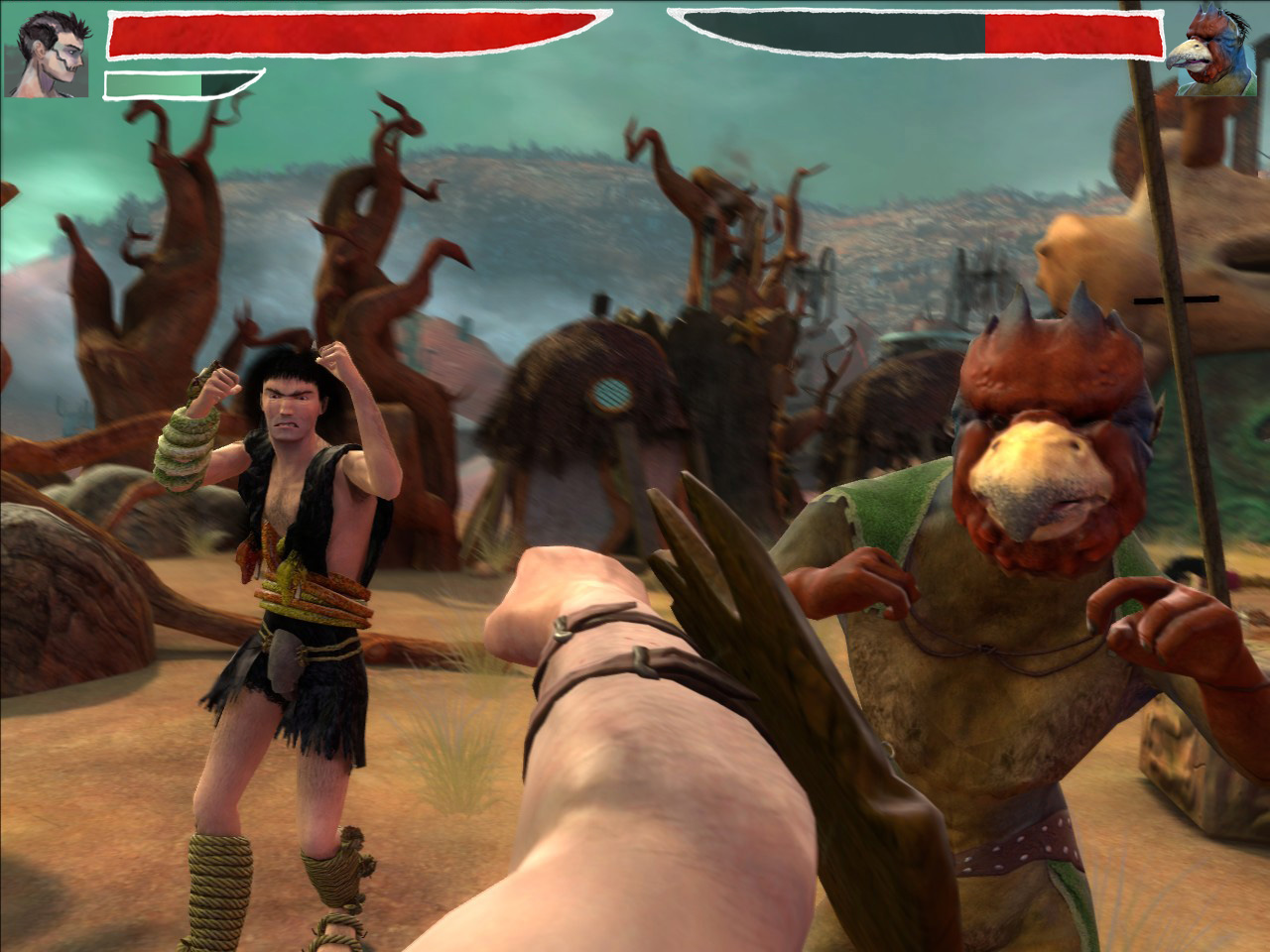
The first-person perspective in video games places the player’s viewpoint at or very near the eyes of the character they control, so the on-screen view corresponds to what that character would see. This approach contrasts with third-person views where an external camera shows the character from behind or above. By design, a first-person perspective aims to increase immersion and create a sense that the player is inhabiting the avatar rather than directing a puppet from a distance.
Image gallery
2 Images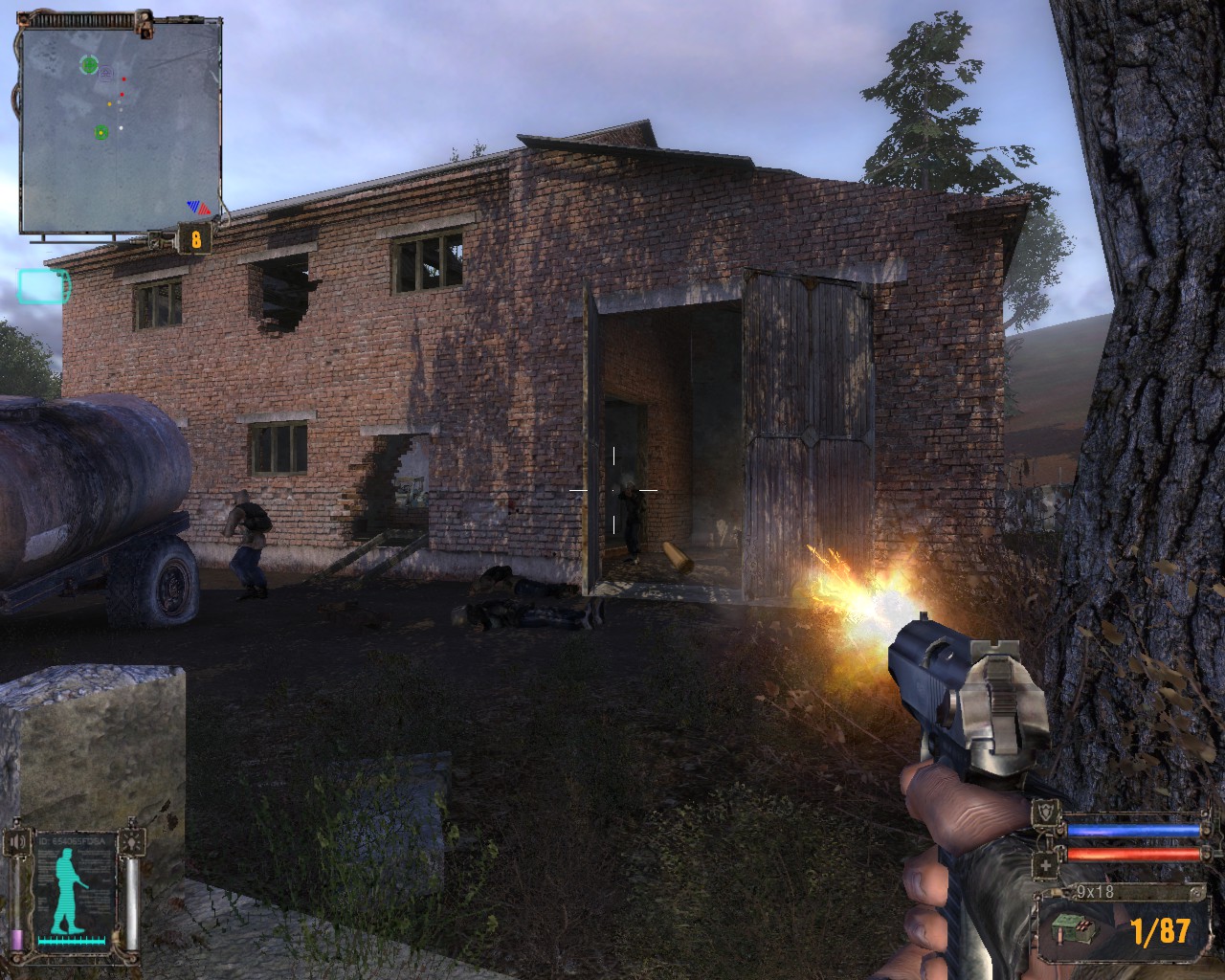
Characteristics and common elements
Typical first-person presentations show only the environment and, often, the character’s own body parts—hands, arms and held items—rather than the whole body. Many titles overlay contextual information such as a heads-up display (HUD), crosshairs, health meters or instrument panels. Developers may allow the camera to aim down a weapon’s sights, lean around corners, or switch between free look and fixed aim modes to balance realism and gameplay.
- Visible player elements: hands, weapons, tools or cockpit instruments.
- Camera behavior: head bob, recoil, field of view adjustments and motion smoothing.
- HUD and UI: on-screen indicators or in-world panels that maintain immersion.
History and development
Early experiments with eye-level views date back to primitive networked and graphical experiments, but commercial popularity rose when fast 3D engines made navigation and combat from the player’s viewpoint practical. The form gained enormous attention with action-oriented titles that emphasized precision aiming and rapid movement. Over time, first-person techniques have expanded into simulation, exploration, puzzle and virtual reality genres.
Uses, subgenres and examples
One of the most widely known subgenres is the first-person shooter, where gunplay and aiming are central. Simulations often adopt the first-person view to replicate being inside a vehicle: many simulation titles and racing games let players see a dashboard or cockpit. In driving simulators the player may observe a steering wheel and a speedometer, while flight simulators show controls like a joystick and altimeter—helpful for realism and instrument-based gameplay.
Benefits, limitations and modern trends
First-person viewpoints excel at immersion, aiming precision and conveying scale, making them ideal for horror, action and simulation experiences. However, they can reduce spatial awareness of an avatar’s surroundings, complicate situational understanding, and cause motion sickness for some players. Recent developments in virtual reality and motion tracking have intensified focus on first-person design, blending physical movement with in-game camera control to deepen presence while introducing new design and comfort challenges.
Distinctions and notable facts
Choosing first- vs third-person is often a design decision tied to gameplay goals: intimate sensory experiences and precise aiming favor first-person, while character presentation, animation visibility and broader situational awareness often favor third-person. Many modern games mix perspectives, giving players the choice to switch views or using first-person for specific segments to achieve different dramatic or mechanical effects.
For further reading on mechanics and genre history, consult additional resources and developer discussions linked from official and educational collections: overview resources, genre studies, and specialized pages on simulation design.
Questions and answers
Q: What does first person mean in video games?
A: First person means that the player sees the game from the perspective of the character they are playing as, as if they were inside the character.
Q: How is first person different from third person in video games?
A: In first person, the player sees the game through the eyes of the character they are playing as, while in third person, they watch the character from a virtual camera.
Q: What is a common type of first person game?
A: A common type of first person game is first-person shooter, where the player usually sees their arms holding a gun or other weapon.
Q: How do some games like Call of Duty enhance the first person experience?
A: Some games like Call of Duty let the player look right down the sights of the gun to aim, which enhances the first person experience.
Q: What other types of simulation games are usually first person?
A: Many simulation games where the player controls a vehicle are first person, including most flight simulators and many racing video games.
Q: What can the player often see in first person simulation games?
A: The player can often see the controls and instruments of the vehicle, such as the steering wheel and speedometer in a car or the joystick and altimeter in an airplane.
Q: What is the goal of a first person game?
A: The goal of a first person game is for the player to feel as if they are inside the character they are playing as.
Related articles
Author
AlegsaOnline.com First-person perspective (video games) Leandro Alegsa
URL: https://en.alegsaonline.com/art/34587