
Fred Figglehorn — YouTube character by Lucas Cruikshank
Fred Figglehorn is a fictional hyperactive child created by Lucas Cruikshank for YouTube. The character launched a viral channel, TV episodes, feature films, albums and a range of licensed merchandise.
Fred Figglehorn is a fictional character developed and performed by Lucas Cruikshank. Presented as a hyperactive, emotionally volatile young child, Fred became one of the earliest examples of an original personality created for online video that later moved into television and film. The portrayal relies on a distinct high-pitched voice, frantic delivery and short, tightly edited clips that emphasize exaggerated emotion and comic mishap.
Image gallery
3 Images
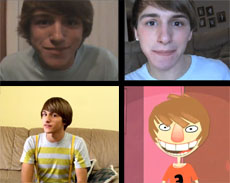

Character and presentation
The Fred persona is portrayed as a physically small, brightly opinionated youngster who narrates personal frustrations, friendships and imagined troubles in a rapid, breathy voice. Cruikshank achieved the voice by altering his tone and delivery; viewers usually see Fred speaking directly to camera in first-person monologues set in simple domestic locations. The format and pacing—short runtimes, jump cuts, and energetic screaming—were tailored to early viral viewing habits and made the character immediately recognizable.
Origins and early distribution
The idea for Fred predates the character's online breakout: work on the concept began in 2005, and clips featuring Fred first appeared on YouTube in 2006. The figure is commonly described as a five-year-old in the videos, a framing device that amplifies the contrast between childlike perspective and adult-style comedic timing. Rapid sharing and press attention turned those initial uploads into a sizable online audience within a few years.
Expansion into television and film
As Fred's popularity grew, the character crossed into mainstream media. In February 2009, Cruikshank began collaborating with Nickelodeon, including an appearance on the sitcom iCarly. That relationship led to several made-for-television and theatrical projects: Fred: The Movie, Fred 2: Night of the Living Fred, and Fred 3: Camp Fred, as well as a short-lived series titled Fred: The Show. These productions adapted the short-form, sketch-like humor into longer narratives with professional writers and production crews.
Reception, commercial impact and merchandise
On digital platforms Fred was a major early success: at its height the channel reported several million subscribers and widespread attention in entertainment press. The character spawned two music albums, licensed clothing, toys such as a talking Fred doll, and other branded goods. Critical response was mixed—many praised the ingenuity of creating a memorable online persona, while others noted that expanding the format to longer television and film sometimes diluted the raw energy that made the original clips popular. The channel's subscriber count and viewership fluctuated as Cruikshank divided his efforts between online uploads and traditional media projects.
Media and franchise overview
- Web series and short-form channels: original Fred videos and spin-offs that built the online following.
- Television: guest appearances and the short-run series that adapted the character for broadcast audiences.
- Feature-length films: several family-oriented movies based on the Fred character.
- Music and merchandise: two albums and a range of licensed consumer products, including apparel and toys.
Fred Figglehorn remains an instructive example of how a single online creation can evolve into a cross-media franchise. The project illustrates both the opportunities that early social video platforms provided to independent creators and the challenges of translating a compact viral persona into longer-form entertainment and merchandising.
Questions and answers
Q: Who created the character Fred Figglehorn?
A: The character Fred Figglehorn was created by Lucas Cruikshank, a teenager from Columbus, Nebraska.
Q: When was Fred Figglehorn first recorded?
A: Fred Figglehorn was first recorded in 2005.
Q: How did Lucas Cruikshank make his voice sound for the Fred character?
A: Lucas Cruikshank made his voice sound higher pitched for the Fred character.
Q: How many subscribers did Fred have at its peak?
A: At its peak, Fred had over 3,000,000 subscribers.
Q: What TV show did Lucas Cruikshank work with Nickelodeon on in 2009?
A: In 2009, Lucas Cruikshank worked with Nickelodeon acting in an episode of iCarly and creating the movies Fred: The Movie, Fred 2: Night of the Living Fred and Fred 3: Camp Fred as well as his own TV show called "Fred :The Show".
Q: What types of merchandise are available for purchase related to the franchise?
A: Merchandise related to the franchise includes T-shirts, a talking doll and other products.
Related articles
Author
AlegsaOnline.com Fred Figglehorn — YouTube character by Lucas Cruikshank Leandro Alegsa
URL: https://en.alegsaonline.com/art/36368
Sources
- reuters.com : "Fred Figglehorn fast-talks his way into movie role"
- youtube.com : Fred - Youtube
- businessweek.com : "'Fred' Cranks Up the YouTube Views and Ad Dollars"
- nick.com : Fred 3: Camp Fred | Fred Figglehorn | Fred Videos & Games | Nick.com
- amazon.com : amazon.com/Its-Hackin-Christmas-With-Fred/dp/B002WPL98I/
- amazon.com : amazon.com/Whos-Ready-To-Party/dp/B00418EYO0