
Fair use (copyright doctrine)
Fair use is a legal principle that permits limited copying or reuse of copyrighted material without permission for specific purposes, assessed case-by-case against established factors.
Fair use is a legal doctrine that permits limited use of copyrighted works without obtaining permission from the copyright holder. It is commonly invoked for activities such as criticism, commentary, news reporting, teaching, scholarship, and research. The doctrine does not grant a blanket right to copy; instead, each claimed instance of fair use is evaluated on its own facts and circumstances. For an overview from a primary source, see this reference.
Image gallery
3 Images

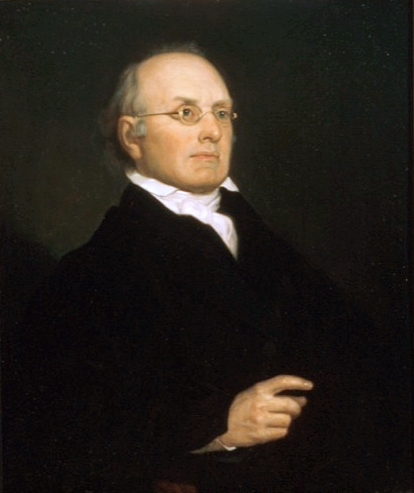
Key factors in assessment
- Purpose and character — whether the new use is transformative (adds new meaning or message) or merely a replacement for the original.
- Nature of the original work — factual or published works are more likely to permit fair use than highly creative or unpublished works.
- Amount and substantiality — how much of the original is used and whether the "heart" of the work is taken.
- Effect on the market — whether the use harms the market for the original or its potential licensing opportunities.
The weighing of these factors is fact-specific. No single factor is dispositive, and different jurisdictions treat similar exceptions differently. In many countries outside the United States, related concepts such as "fair dealing" or statutory exceptions provide narrower allowances.
History and evolution
The idea of allowing limited copying for socially valuable purposes developed as courts interpreted copyright statutes. Over time, judicial decisions and statutory changes have refined how fair use operates, especially as new technologies and digital distribution have created novel forms of reuse. The doctrine has adapted to consider online sharing, sampling in music, and user-generated content, though those areas remain contested.
Uses, examples, and limitations
Typical examples include quoting brief passages for review or scholarship, using short clips in a news report, creating parodies that comment on the original, and copying limited material for classroom instruction. However, fair use is not guaranteed: excessive copying, uses that serve as substitutes for the original, or commercial exploitation with negative market effects are less likely to qualify. When in doubt, seeking permission or relying on licensed material remains the safest course.
Fair use plays a balancing role between encouraging creative expression and protecting creators' rights. It is a flexible, case-by-case defense rather than an automatic right, and its contours continue to be shaped by courts, lawmakers, and technological change.
Related articles
Author
AlegsaOnline.com Fair use (copyright doctrine) Leandro Alegsa
URL: https://en.alegsaonline.com/art/33246