
Fahd bin Abdulaziz Al Saud — King of Saudi Arabia (early 1920s–2005)
King Fahd served as King and Custodian of the Two Holy Mosques, led Saudi Arabia through oil-fueled modernization, issued the 1992 Basic Law, and played a central role in the Gulf War era. He died on August 1, 2005.
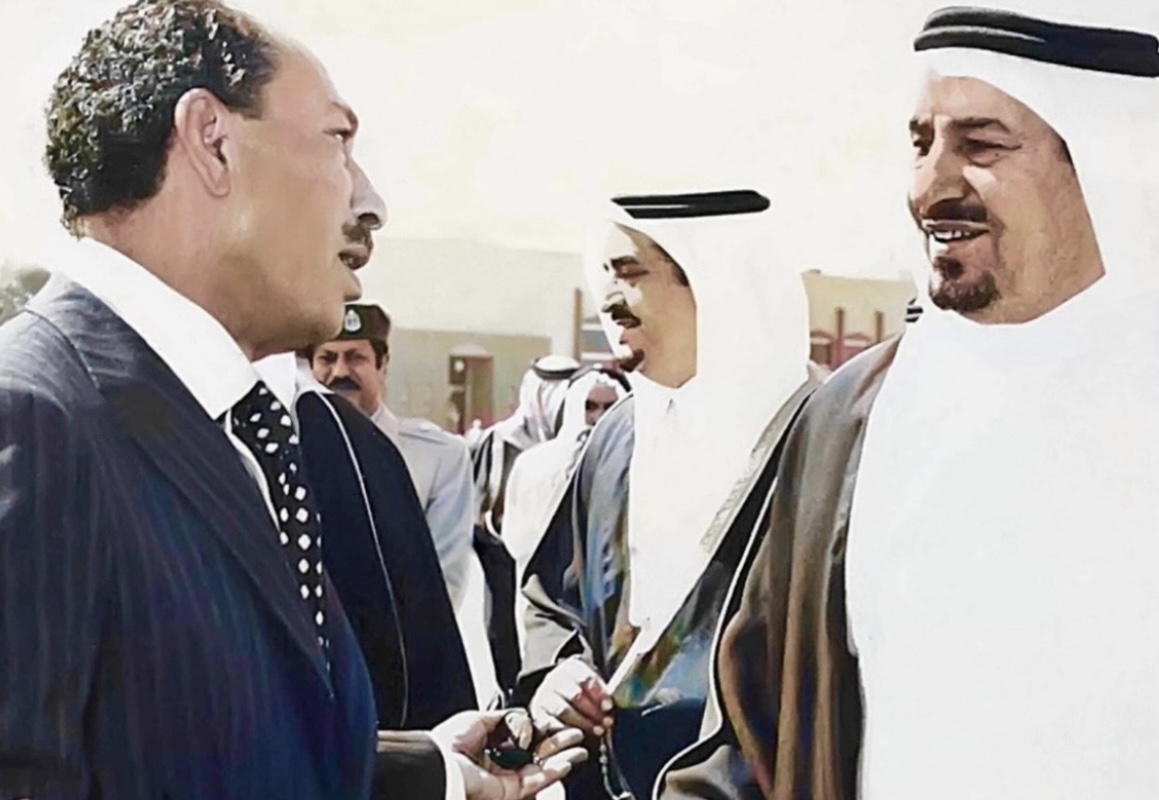
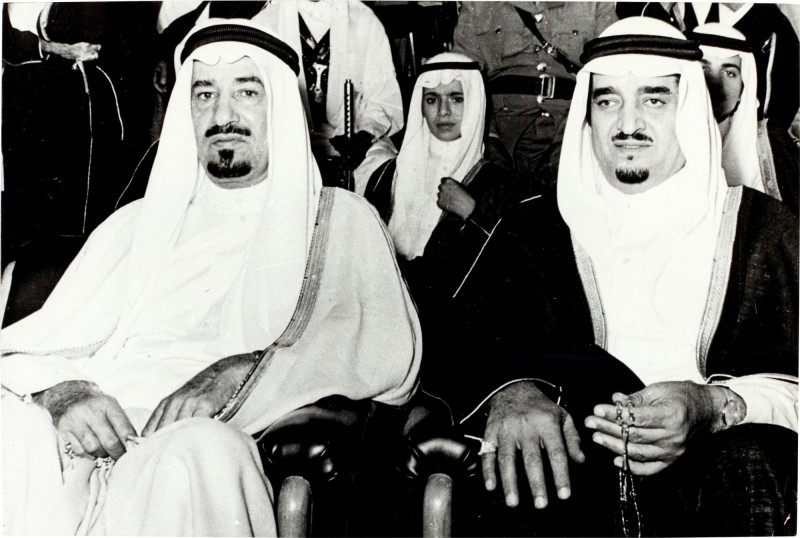
Fahd bin Abdulaziz Al Saud was the ruler of the Kingdom of Saudi Arabia from the early 1980s until his death on August 1, 2005. Known formally as the Custodian of the Two Holy Mosques, he occupied the throne during a period of rapid economic change and geopolitical challenge. His reign combined state expansion, social investment, and close engagement with Western allies.
Image gallery
10 Images



Rise to power and position
Born in the early 1920s into the House of Saud, Fahd held senior posts in government before becoming king. He succeeded his predecessor in the early 1980s and assumed the traditional roles of monarch, prime minister and head of the royal family. During his reign he was widely recognized as the King of Saudi Arabia and as a leading figure inside the dynasty; formal leadership of the family and government functions were concentrated under his authority, described in some contexts as the leader of the House of Saud.
Policies and initiatives
Fahd's government directed oil revenues into ambitious infrastructure and welfare programs, expanding education, health care and urban development across the country. His era saw institutional reforms including the issuance of a Basic Law that clarified the structure of governance and the relationship of religious and royal authority. Internationally, his rule was marked by a close security partnership with Western states and by Saudi involvement in regional diplomacy and security efforts.
Gulf War and international role
A notable moment of Fahd's reign was Saudi Arabia's response to Iraq's invasion of Kuwait in 1990. The kingdom hosted coalition forces and took an active diplomatic role during the Gulf War, balancing regional concerns with alliance commitments. These decisions had lasting effects on Saudi foreign relations and domestic politics.
Health, succession and legacy
In the mid-1990s Fahd suffered a serious health setback that reduced his active involvement in daily governance and led to the gradual transfer of many responsibilities to the crown prince. He remained head of state until his death in 2005. His legacy is mixed: credited with modernization and state-building, while critics point to limits on political reform and continuing tensions between modernization and conservative social forces.
- Formal title: Custodian of the Two Holy Mosques.
- Promoted large-scale public investment and social programs.
- Oversaw Saudi participation in the Gulf War coalition and strengthened international ties.
- Family: among his children is Abdul Aziz bin Fahd, a notable member of the next generation of the royal family.
Related articles
Author
AlegsaOnline.com Fahd bin Abdulaziz Al Saud — King of Saudi Arabia (early 1920s–2005) Leandro Alegsa
URL: https://en.alegsaonline.com/art/33227