
Faiz Ahmad Faiz: Urdu Poet, Progressive Intellectual, and Political Voice
Faiz Ahmad Faiz (1911–1984) was a leading Urdu poet and leftist intellectual from Pakistan whose lyricism and political commitment produced enduring poems of love, loss and resistance.
Overview
Faiz Ahmad Faiz (13 February 1911 – 20 November 1984) was one of the twentieth century's most influential poets writing in Urdu. Combining classical forms with modern sensibilities, his work moved between intimate romance and public protest. Faiz was closely associated with progressive and socialist currents in South Asia and remained a polarising public figure in Pakistan, admired by many for his humanity and criticized by some authorities for his left-wing politics.
Image gallery
5 Images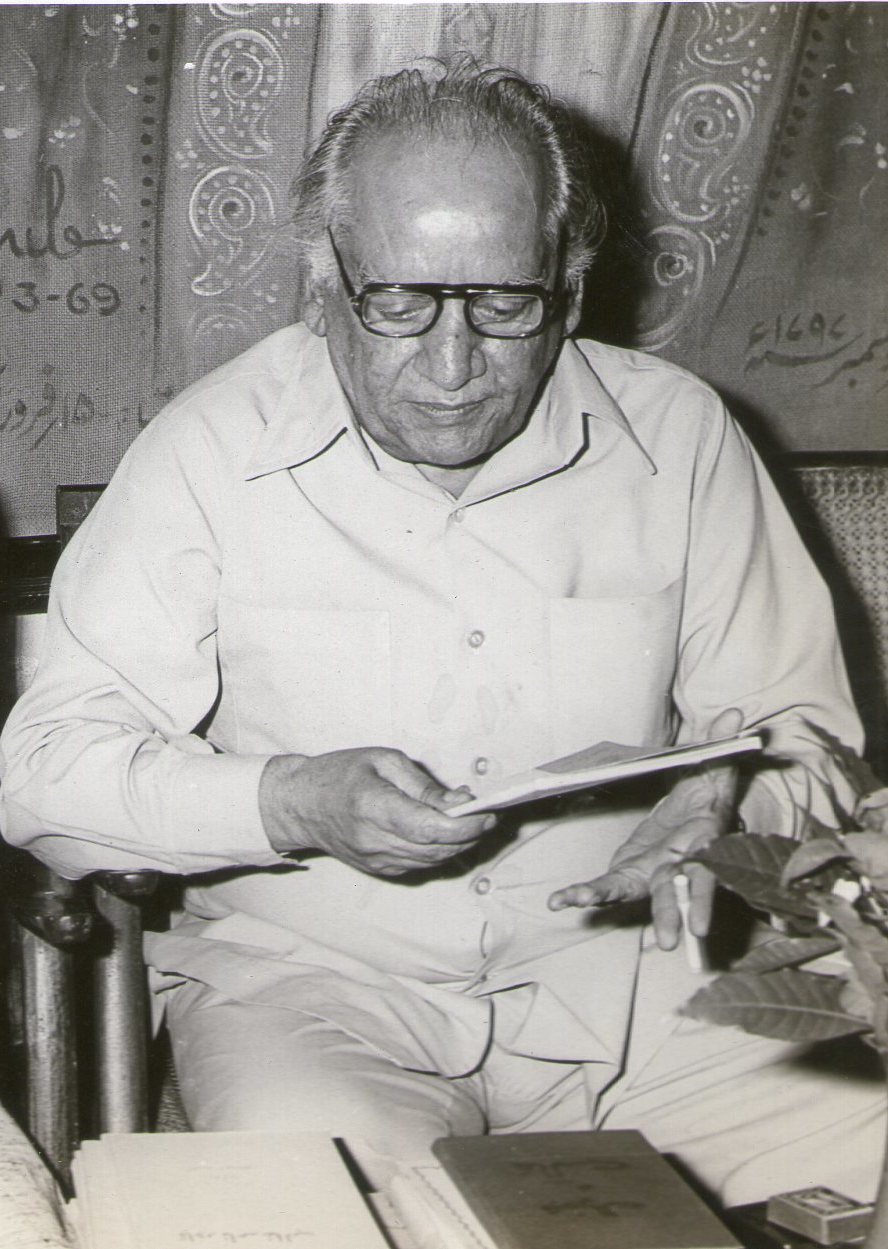


Style, Themes and Forms
Faiz worked in both ghazal and nazm forms, drawing on Persian and Urdu traditions while introducing contemporary diction and political urgency. His poetry often juxtaposes personal longing with collective struggle, using imagery from love, nature and Sufi symbolism. Religious and Qur'anic references appear repeatedly, not as straightforward devotional statements but as metaphors for justice, suffering and hope—contributing to a complex relationship with organized religion and with Islam in particular.
Life and Career
Born in 1911 in what is now Pakistan, Faiz worked as a writer, editor and cultural organiser as well as producing poetry. He was a prominent member of the Progressive Writers' Movement and an avowed Marxist. His political engagement led to arrest in the early 1950s in connection with a conspiracy case; he spent years under custody before being released. Later in life he travelled internationally, accepted awards, and continued to write and edit until his death in 1984.
Recognition and Controversies
Faiz received international recognition for his cultural work, including the Lenin Peace Prize in 1962 (Lenin Peace Prize). At home his politics led to recurrent surveillance and criticism by conservative and military elements who sometimes labelled him an atheist. Despite official opposition, his poems remained widely read, set to music, and recited at political gatherings.
Legacy and Influence
Several of Faiz's poems have become emblematic of resistance and hope. "Hum Dekhenge" in particular was adopted as a protest anthem and famously performed on public stages during political unrest. His verses have been translated into many languages, sung by classical and popular artists, and continue to be taught and quoted across South Asia and the diaspora. Faiz's marriage to Alys Faiz, an English-born writer and activist, also contributed to his international connections and translations.
Notable Works and Themes
- Famous poems: "Hum Dekhenge", "Mujh Se Pehli Si Mohabbat", "Bol Ke Lab Azad Hain Tere" (often translated and widely anthologised).
- Main themes: love and loss, political resistance, social justice, exile and imprisonment, hope and renewal.
- Forms: ghazal and nazm—classical metres used for modern content.
Faiz remains a central figure in modern Urdu literature: both a poet of delicate lyricism and a committed public intellectual whose work crossed literary, musical and political boundaries. For readers interested in twentieth‑century South Asian poetry, his corpus offers a model of how aesthetic craft and ethical commitment can coexist and influence public life.
Further reading on Urdu literature | Modern Pakistan history | International awards and cultural exchange | Religion and literature in South Asia
Related articles
Author
AlegsaOnline.com Faiz Ahmad Faiz: Urdu Poet, Progressive Intellectual, and Political Voice Leandro Alegsa
URL: https://en.alegsaonline.com/art/33311
Sources
- faizcentenary.org : faizcentenary.org/