
Fakhruddin Ali Ahmed
Fakhruddin Ali Ahmed served as the fifth President of India from 1974 until his death in 1977; his tenure included the 1975–77 Emergency and remains significant in discussions of presidential powers.
Overview
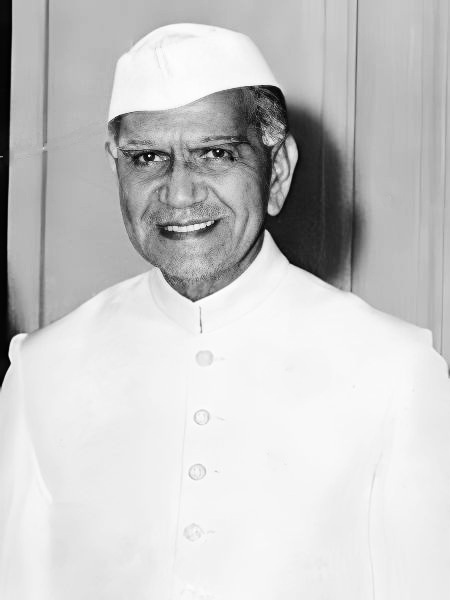
Fakhruddin Ali Ahmed (13 May 1905 – 11 February 1977) was the fifth President of India, serving from 1974 until his death in office in 1977. His presidency is best known for its overlap with the national Emergency declared in 1975. For further basic reference see Fakhruddin Ali Ahmed.
Image gallery
7 Images


Early public life and career
Before becoming president, Ahmed had a long career in public life and national politics. He was associated with the Indian National Congress and participated in both parliamentary and executive functions at the national level. Over several decades he held responsibilities that combined legislative work and administrative duties, preparing him for the largely ceremonial but constitutionally important office of the presidency.
Presidency and the Emergency
Ahmed was elected President in 1974. In June 1975, during his term, the Prime Minister advised a proclamation of Emergency under the Constitution. Acting on ministerial advice, the President signed the proclamation. This decision—along with subsequent actions taken during the Emergency—made his tenure a focal point for debates about the limits of presidential discretion and the role of the head of state when the Council of Ministers advises extraordinary measures.
Roles, responsibilities and controversies
Under the Constitution, the President acts largely on the aid and advice of the Council of Ministers, but the office retains important formal powers: assent to legislation, appointment of key officials, and emergency powers. Observers and historians have examined Ahmed's exercise of these powers to assess how constitutional conventions operate in periods of political crisis. Supporters emphasize procedural conformity; critics highlight questions about the independence of the office in moments of national emergency.
Death, succession and legacy
Ahmed died in office on 11 February 1977, becoming the second President of India to die while serving his term. The Vice-President performed the functions of the presidency until a new election. His time in office continues to be studied for its constitutional implications and for the broader political context of mid-1970s India.
Notable facts
- Fifth President of India (1974–1977).
- Second Indian President to die in office.
- Presidency overlapped with the 1975–77 Emergency, a defining episode in modern Indian politics.
- His tenure remains central to discussions of presidential power and constitutional practice.
Related articles
Author
AlegsaOnline.com Fakhruddin Ali Ahmed Leandro Alegsa
URL: https://en.alegsaonline.com/art/33320
Sources
- presidentofindia.nic.in : Former Presidents
- rrtd.nic.in : Fakhruddin Ali Ahmed (1905–1977): Biography
- books.google.com : Presidents of India, 1950–2003