
Exeter: historic cathedral city and county town in Devon, England
Exeter is a cathedral city on the River Exe in Devon, South West England. Known for its Roman origins, medieval walls and cathedral, it combines heritage, education and modern civic life.
Overview
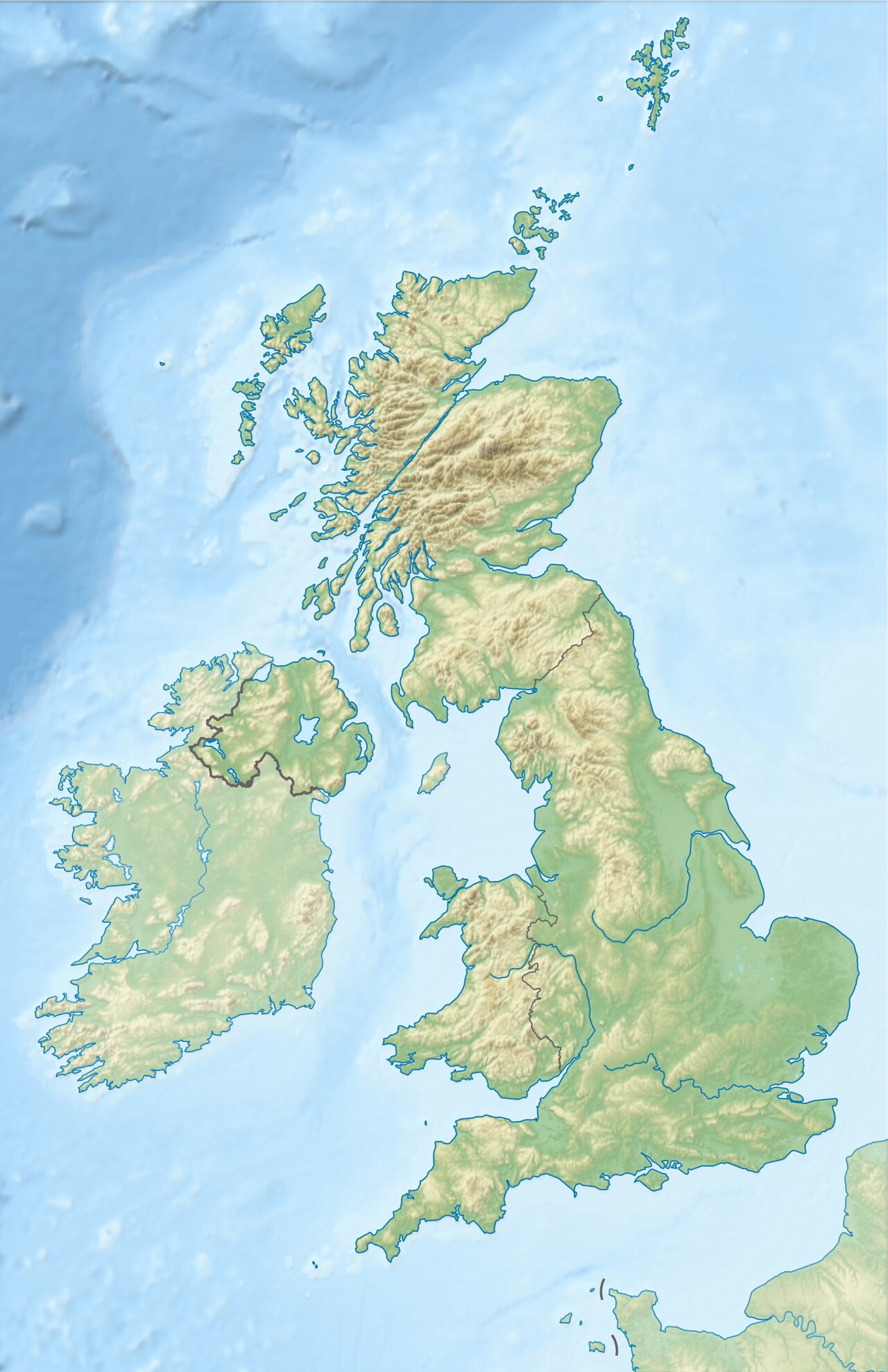
Exeter is a city and the administrative centre of Devon in South West England. It lies on the tidal River Exe, from which it takes its name, and has a population of just over 100,000 residents. As a regional hub it combines local government, retail, higher education and cultural institutions with a long historic identity. See general city information: city and its setting in South West England. Its role as the county town of Devon shapes much of its civic importance.
Image gallery
10 Images




History and development
The site was first settled in Roman times as a fort and civitas centre, known historically as Isca Dumnoniorum, and sections of the Roman defensive circuit survive. Later medieval expansion left a dense historic core: a Norman castle, a wool and trading economy, and extensive religious foundations. Exeter has evolved through phases of Roman, Anglo-Saxon, Norman and later medieval development to become a modern provincial city.
Principal landmarks
Surviving structures give the city a layered character. The remains of a Norman fortress (often called the ruined castle) sit beside stretches of original Roman city wall. The city's most famous building is its cathedral—an impressive medieval foundation and active parish church—referred to in many guides as Exeter Cathedral. Other prominent sites include the quay along the River Exe, historic guildhalls and museums.
Culture, education and economy
Exeter houses a major university and cultural venues that support research, arts and festivals; these institutions attract students and visitors and contribute to local employment. The economy blends public services, retail, tourism and professional services. The Royal Albert Memorial Museum and independent cultural organisations help preserve and interpret the city’s past for residents and tourists alike.
Character and preservation
Walking the central streets reveals medieval lanes, long stretches of preserved wall and the cathedral precincts. Conservation areas protect many historic buildings while modern development meets contemporary needs. The city’s riverside, markets and pedestrianised shopping streets make it both a heritage destination and a functional regional centre.
Notable facts and distinctions
Exeter is notable for the visible layering of Roman and medieval urban fabric in a functioning modern city. It has been shaped by military, ecclesiastical and commercial influences across centuries and remains a focal point for Devon’s civic life. For further reading and practical information follow local guides and official sources: overview, region, administration, county, castle history, Roman remains and cathedral details.
Related articles
Author
AlegsaOnline.com Exeter: historic cathedral city and county town in Devon, England Leandro Alegsa
URL: https://en.alegsaonline.com/art/32922