
Ambès (Gironde) — commune at the Gironde estuary
Ambès is a small French commune in the Gironde department, located where the Garonne and Dordogne rivers meet to form the Gironde estuary. It has a maritime landscape, local industry and notable estuarine ecology.
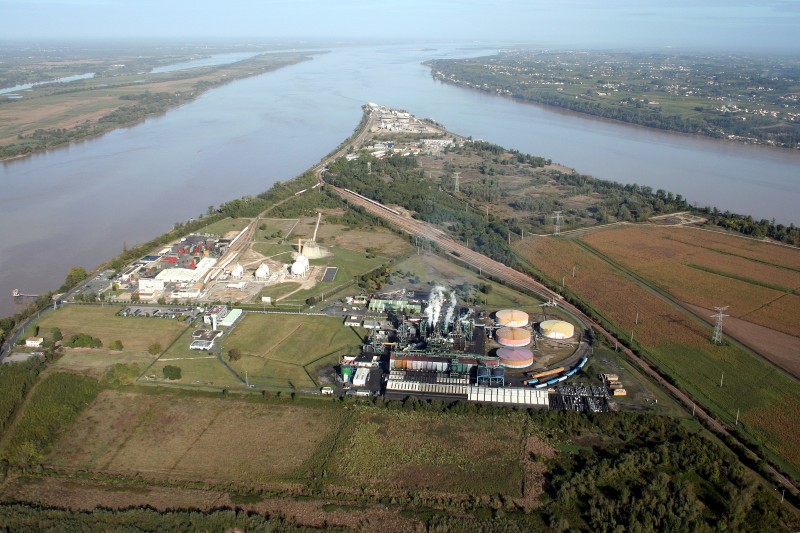
Ambès is a commune in southwestern France, situated where the Garonne and Dordogne rivers converge to form the Gironde estuary. It lies near the city of Bordeaux and is part of the Gironde department. The settlement occupies a narrow strip of land at the mouth of the rivers, giving it a long relationship with navigation, tides and estuarine landscapes.
Image gallery
3 Images

Geography and natural features
Ambès stands on low-lying banks influenced by tidal movement. Salt marshes, mudflats and channels characterize the immediate surroundings, which are important for coastal processes and for migratory birds. The commune’s position at a major river confluence also affects sediment deposition and local flood management concerns.
History and development
Historically, locations at river mouths have been valued for trade, fishing and strategic control of access to inland ports. Over time Ambès developed with a mixture of small-scale agriculture, river commerce and later industrial and storage activities tied to the estuary. Like many estuarine towns it has adapted to changing transport patterns and economic shifts.
Economy, transport and environment
The local economy blends maritime services, logistics and shore-based enterprises with conservation-minded activity such as birdwatching and habitat protection. The estuary remains a working waterway for commercial traffic bound for Bordeaux and other upriver destinations. Environmental management balances industrial use with protection of sensitive tidal habitats.
Administration and points of interest
Ambès is administered as a French commune, with municipal services and a town council responsible for local planning and flood prevention. Visitors may notice typical riverfront structures, a communal hall, churches and memorials that reflect local heritage. Recreational activities focus on river scenery, walking and observing the estuarine environment.
Related articles
Author
AlegsaOnline.com Ambès (Gironde) — commune at the Gironde estuary Leandro Alegsa
URL: https://en.alegsaonline.com/art/3291