
Amblie — former commune in Calvados, Normandy
Amblie was a small rural commune in the Calvados department of northwestern France, formerly part of Basse-Normandie; it was merged into Ponts sur Seulles in 2017.
Overview
Amblie was a small, rural former commune situated in the historic region of Basse-Normandie and administratively within the Calvados department in northwest France. Like many villages in the area, Amblie combined agricultural land with a compact village core and local roads linking it to nearby towns.
Image gallery
10 Images




Geography and character
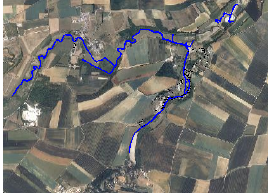
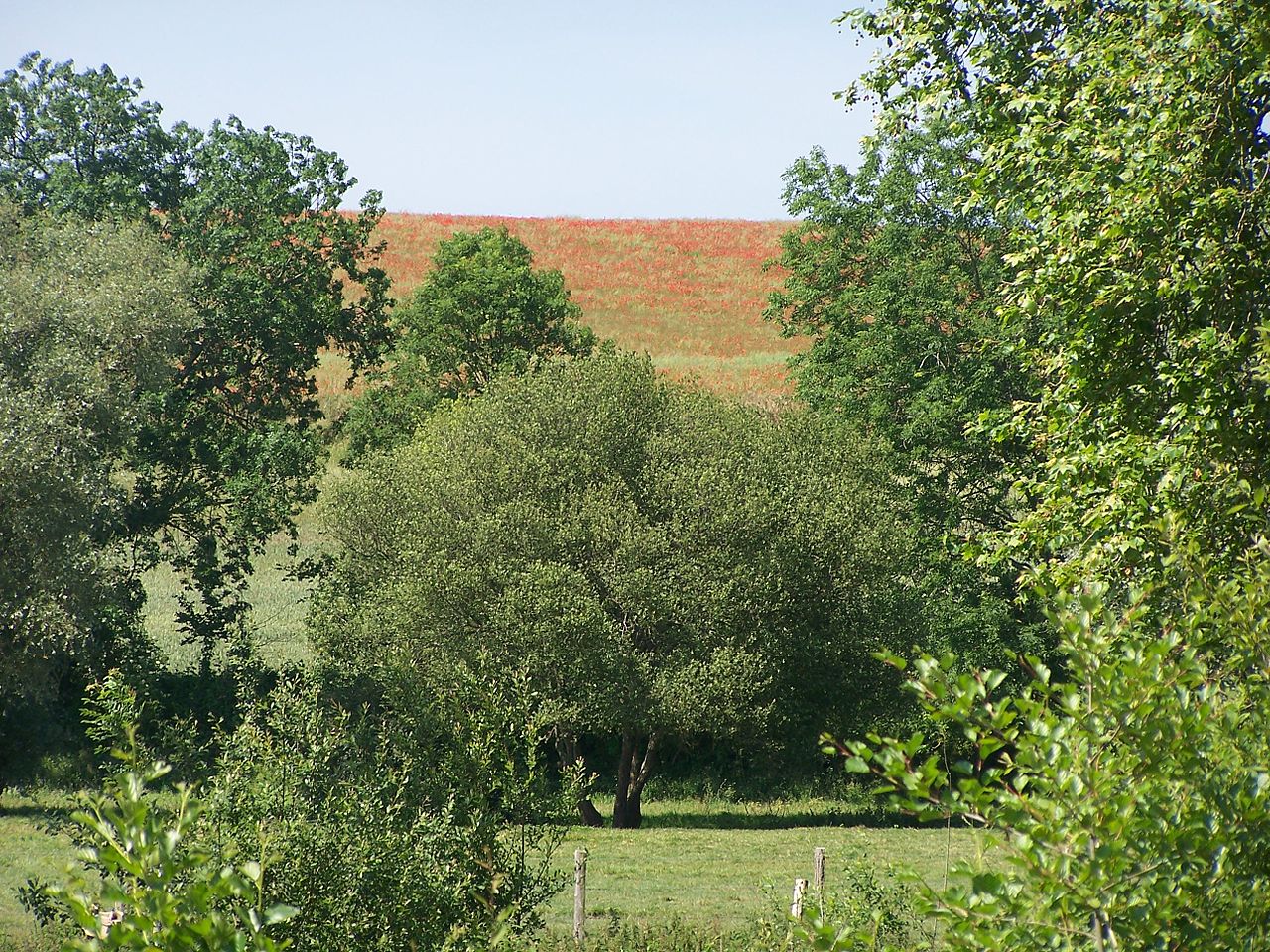
The village lies in the gentle lowlands typical of the Seulles river valley and the Normandy bocage: patchwork fields, hedgerows, and small orchards. Traditional Normandy building materials — stone, timber framing and slate roofs — give the settlement a regional architectural character. The surrounding landscape is used mainly for farming and rural residences.
History and development
Amblie developed over centuries as a local farming community; its pattern of settlement and land use reflects broader historical trends in Normandy, from medieval parishes to modern agricultural practices. Administrative reorganizations in France have changed the formal status of many small communes, including Amblie.
Modern administration
On 1 January 2017, Amblie was merged into the new commune Ponts sur Seulles as part of a national effort to simplify local governance and pool resources among neighbouring villages. The merger means municipal services and representation are now managed at the larger-commune level while local identity and landmarks remain important to residents.
Importance and visiting
Although not widely known beyond its region, Amblie exemplifies small Normandy communes: scenic rural landscapes, local agricultural economy and ties to regional history. Visitors exploring Calvados or the Normandy countryside may pass through such villages to appreciate vernacular architecture and the quieter side of French rural life.
- Administrative link: former commune
- Region: Basse-Normandie
- Department: Calvados
- Country context: northwest France
- Current commune: Ponts sur Seulles
Related articles
Author
AlegsaOnline.com Amblie — former commune in Calvados, Normandy Leandro Alegsa
URL: https://en.alegsaonline.com/art/3300
Sources
- legifrance.gouv.fr : Arrêté préfectoral