
Aquitaine (southwestern France region)
Aquitaine is a historical and geographic area in southwestern France, known for Bordeaux wines, Atlantic coastlines, the Pyrenees, and a distinct cultural heritage absorbed into Nouvelle-Aquitaine.
Overview
Aquitaine is a region in the southwest of France that combines coastal plains, rolling vineyards and foothills of the Pyrenees. Its name appears in several local languages, for example Occitan, Basque and Spanish. Formerly an administrative region of mainland France with an area of roughly 41,000 square kilometres, Aquitaine was merged into the larger administrative entity Nouvelle-Aquitaine as part of a national territorial reform.
Image gallery
10 Images



Geography and administration
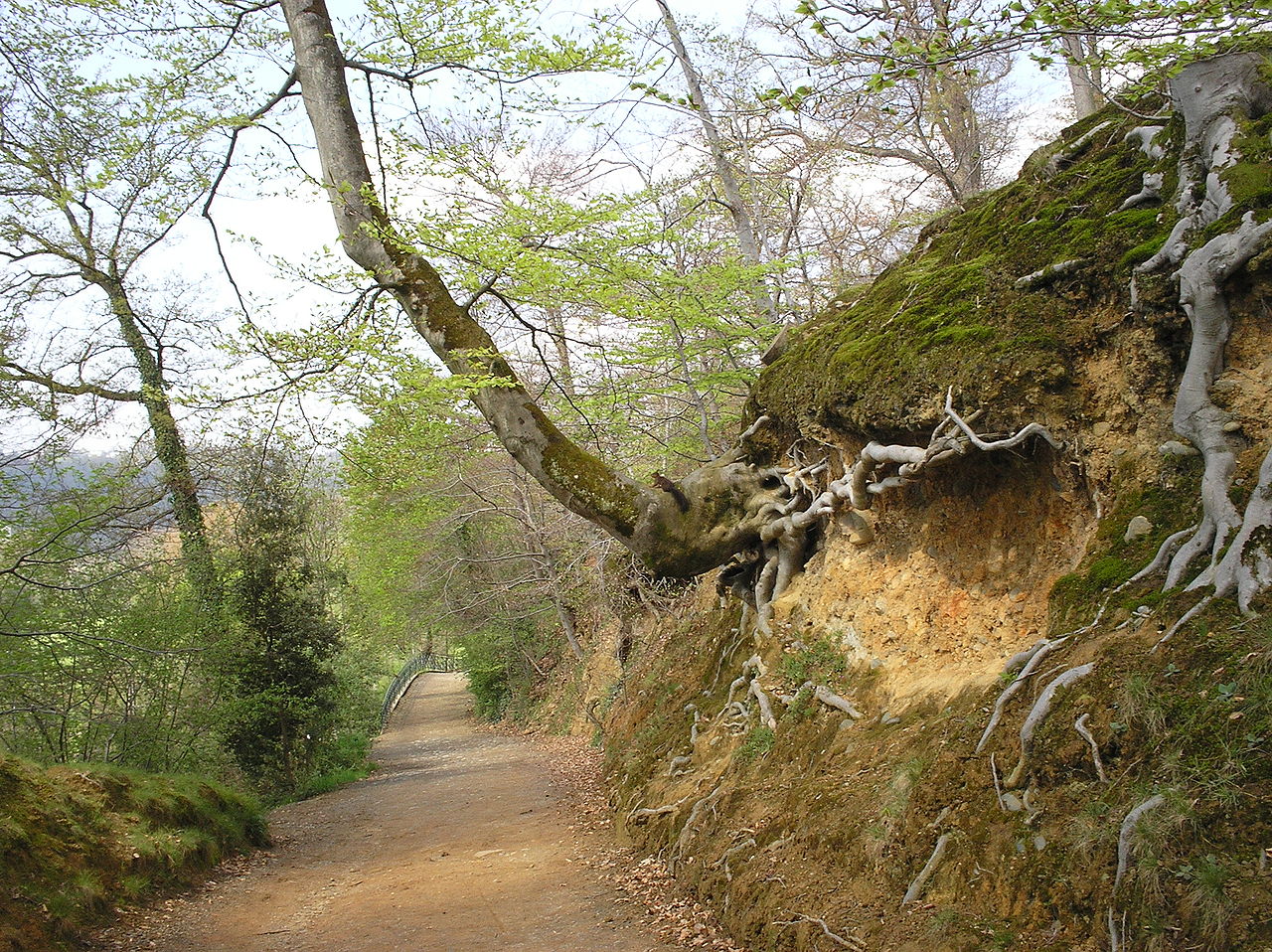
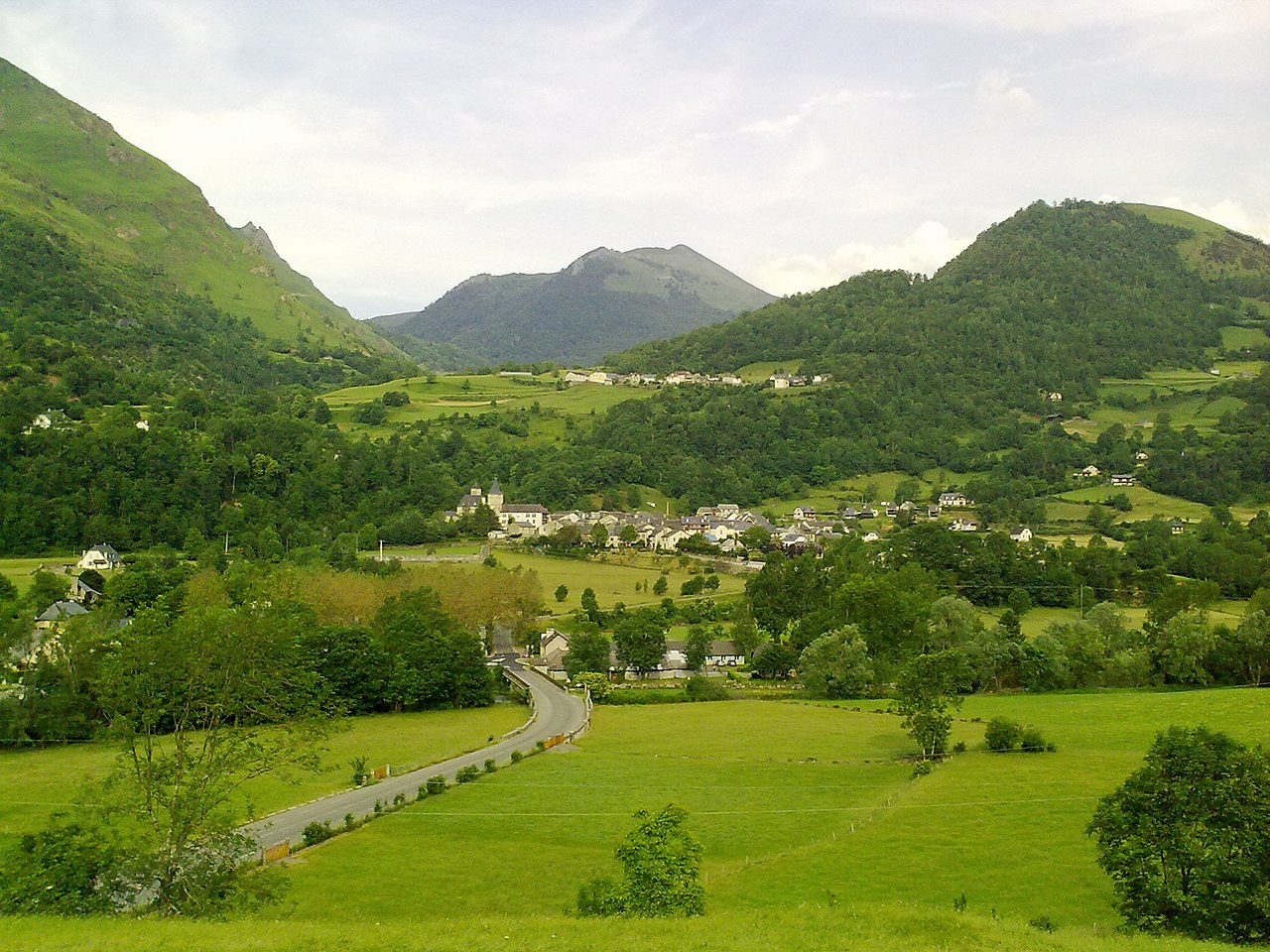
The landscape ranges from the Atlantic coast along the Bay of Biscay to the forested Landes and the lower slopes of the Pyrenees. Major waterways include the Garonne and Dordogne rivers, which meet in the Gironde estuary. Aquitaine comprised five principal departments:
The regional capital and largest city was Bordeaux, a major port and the centre of an internationally renowned wine-producing area.
History and development
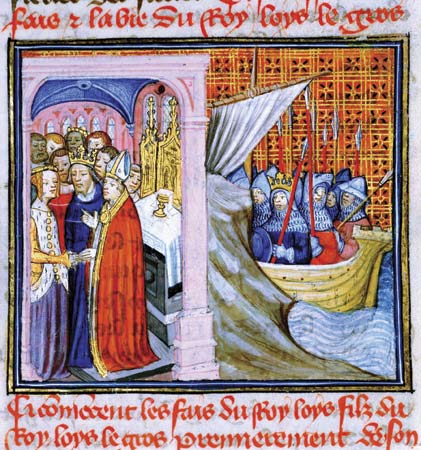
Aquitaine has a layered history: it was a distinct duchy in the Middle Ages and a focal point for medieval politics, trade and culture. The region experienced periods of autonomy, close ties with England during the Angevin and Plantagenet eras, and later reintegration into the French crown. Human presence also extends far back into prehistory; parts of Dordogne contain important Paleolithic cave sites and art.
Culture, economy and significance
Culturally, Aquitaine is notable for a mix of languages and traditions, including variations of Occitan and Basque influences. Economically the area rests on viticulture, agriculture, forestry (notably the pine forests of the Landes), tourism and maritime activities. The name and identity of the inhabitants are reflected in the regional adjective often used in French-language contexts: Aquitain.
Notable facts and context
Aquitaine remains important as a historical and cultural concept even after administrative change. Comparisons sometimes note its size among French regions — for instance overseas territories such as French Guiana in South America are larger in area — but Aquitaine's combination of coastline, plains and mountains makes it distinctive. Visitors commonly explore wine estates around Bordeaux, prehistoric sites in Dordogne and the coastal and mountain landscapes that define the southwest of France.
Questions and answers
Q: What is Aquitaine?
A: Aquitaine is a part of southwestern France that was once an administrative region, but is now part of the administrative region of Nouvelle-Aquitaine.
Q: How large is Aquitaine?
A: With over 41,000 square kilometers, it is one of the largest regions of mainland France.
Q: What is the capital city of Aquitaine?
A: The capital city of Aquitaine is Bordeaux, which is also the largest city in the region.
Q: What are the five departments in Aquitaine?
A: The five departments in Aquitaine are Dordogne, Gironde, Landes, Lot-et-Garonne, and Pyrénées-Atlantiques.
Q: Who are the people living in this region called?
A: The people living in this region are called "Aquitain".
Q: Is French Guiana larger than Aquitaine?
A: French Guiana (in South America) is actually larger than Aquitaine.
Related articles
Author
AlegsaOnline.com Aquitaine (southwestern France region) Leandro Alegsa
URL: https://en.alegsaonline.com/art/5108
Sources
- insee.fr : "Circonscriptions administratives au 1er janvier 2014"
- insee.fr : "Populations légales 2012 des régions"
- peakbagger.com : "Pic Palas, France/Spain"
- services.sandre.eaufrance.fr : "La Garonne (O---0000)"
- services.sandre.eaufrance.fr : "La Dordogne (P---0000)"
- services.sandre.eaufrance.fr : "Le Lot (O---0150)"
- services.sandre.eaufrance.fr : "Le Dropt (O9--0250)"
- services.sandre.eaufrance.fr : "L'Adour (Q---0000)"
- insee.fr : "Populations légales 2012 des départements et des collectivités d'outre-mer"