
Évry, Essonne: overview and significance of the former French commune
Évry was a planned new town in Essonne, Île-de-France, merged in 2019 into Évry-Courcouronnes. It is known for modern architecture, higher education institutions and its role as the department prefecture.

Overview
Évry was a French commune in the Essonne area of France, created during the postwar new-town movement south of Paris. Administratively it served as the prefecture of the department and remained an important suburban centre until 1 January 2019, when it merged with Courcouronnes to form Évry-Courcouronnes. The town combined residential neighbourhoods, public services and business zones within a compact planned framework.
Image gallery
6 Images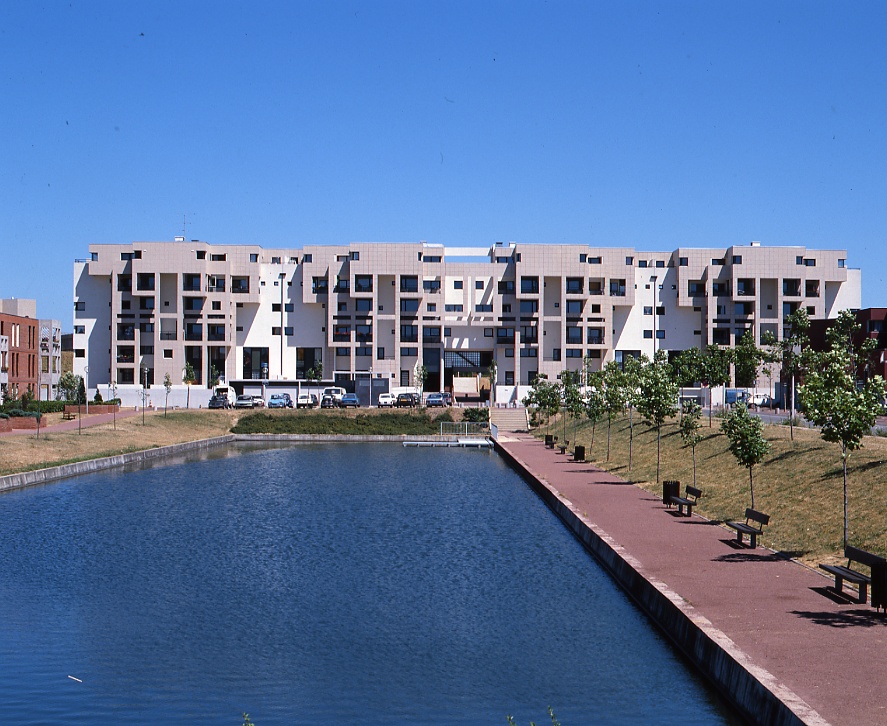


History and development
Planned in the 1960s and 1970s as part of efforts to decentralise growth around Paris, Évry grew quickly from farmland into a purpose-built urban centre. Its development followed modernist and pragmatic principles: clearly separated housing, administrative buildings and commercial areas, with wide boulevards and civic spaces intended to host services for surrounding communities.
Government and civic role
As the departmental prefecture, Évry concentrated local administration, courts and public agencies that serve the wider Essonne territory. The merger into the former commune now reflected changing governance models in the Paris region, intended to streamline municipal services and coordinate development across adjacent towns.
Education, research and economy
Évry developed a notable educational and research profile. It hosts higher education institutions including a university and specialised schools: for example the École nationale supérieure d'informatique pour l'industrie et l'entreprise (ENSIIE) and business programmes such as those offered by Institut Mines-Télécom Business School. These institutions, together with local technology and service firms, contribute to a mixed economy of public sector employment, education and commerce.
Culture, architecture and public life
The town is known for contemporary civic architecture and cultural amenities designed to serve a suburban population: concert halls, libraries and modern religious architecture. Public parks and pedestrian precincts form part of the urban plan, offering recreational space adjacent to administrative and commercial centres. Évry’s built landscape illustrates late 20th-century approaches to planned suburban life.
Transport and connections
Évry sits within the Île-de-France transport network and is served by regional rail and road links that connect it to Paris and neighbouring suburbs. The town’s location and transit access supported its role as a hub for services, higher education and administrative functions in southern metropolitan Paris.
Further reading
Author
AlegsaOnline.com Évry, Essonne: overview and significance of the former French commune Leandro Alegsa
URL: https://en.alegsaonline.com/art/133370