
Estahban: city of figs and farming in Fars Province, Iran
Estahban is a city in Fars Province, Iran, serving as the administrative centre of Estahban County. It is known for agriculture—especially figs—regional culture, and its semi-arid climate.
Estahban (Persian: استهبان; Arabic: اصطهبانات) is a city and the administrative capital of Estahban County in Fars Province, Iran. The city functions as a local commercial and agricultural hub within the province and is recognized regionally for its fruit cultivation and rural economy.
Image gallery
2 Images
Geography and climate
Estahban lies within the broader inland plateau of southern Iran. The surrounding landscape is a mix of cultivated plains and low hills. Climatically, the area is generally semi-arid: summers are warm to hot and dry, while winters tend to be mild with limited rainfall. These conditions influence the types of crops grown and the seasonal rhythms of local life.
Economy and agriculture
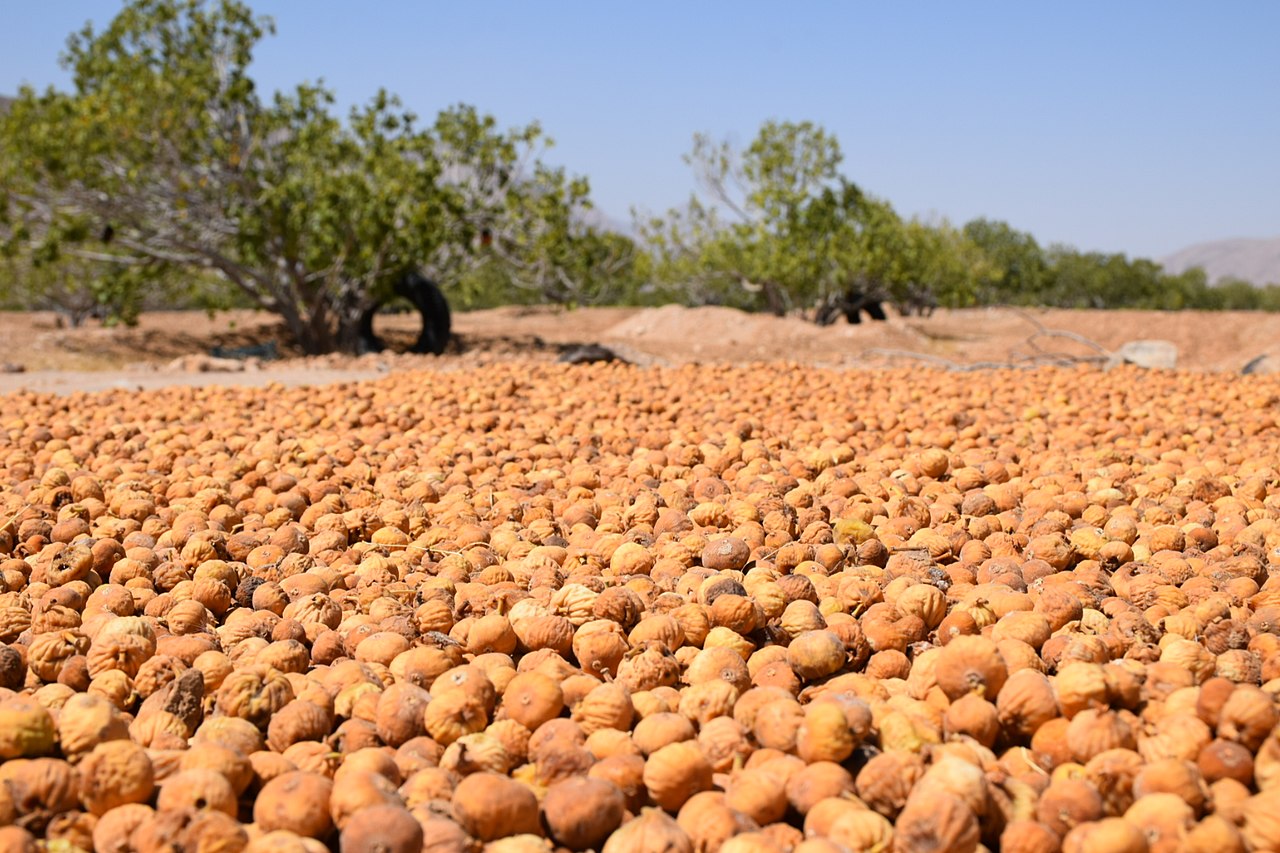
Agriculture is central to Estahban's economy. The region is especially noted for its fig production and other tree fruits. Local farmers cultivate:
- Figs, sold fresh and dried and used in regional markets;
- Citrus and other orchard fruits suited to a dry, sunny climate;
- Vegetables and rainfed crops on smaller holdings.
Small-scale trade, food processing, and services that support farming are important employers in the city. Seasonal harvests shape market activity and community events.
History and culture
The settlement has long-standing ties to the cultural landscape of Fars, a province with deep historical roots in Persian history. Estahban itself developed as a rural-urban centre serving nearby villages. Local customs, dialectal forms of Persian and community festivals often reflect agricultural cycles—harvests, shared meals, and market days remain focal points of social life.
Administration, transport and notable facts
As the county seat, Estahban houses local administrative offices and municipal services that coordinate education, health, and infrastructure for the district. Roads link the city with other towns and the provincial network, supporting movement of people and produce. Notable distinctions include its reputation within Iran as a prominent fig-producing area and its role as a market town for surrounding rural communities.
For further local details, administrative records and cultural resources are maintained by county offices and regional agencies; travel and agricultural guides provide practical information on visiting during harvest seasons and on local specialties.
Related articles
Author
AlegsaOnline.com Estahban: city of figs and farming in Fars Province, Iran Leandro Alegsa
URL: https://en.alegsaonline.com/art/32273
Sources
- amar.org.ir : amar.org.ir/english
- en.wikisource.org : "Istahbanát"
- geonames.nga.mil : this link