
Esplanade: waterfront promenade and public open space
An esplanade is a long, level open space typically beside a body of water, designed for walking, leisure and events. This article explains features, history, uses, and how esplanades differ from related structures.
An esplanade is a long, open, level area designed primarily for people to walk, linger and enjoy views along rivers, lakes or seas. Historically associated with leisure, many esplanades provide wide paved or boardwalk surfaces, seating, planting and lighting so that visitors can pursue recreational purposes safely and comfortably.
Image gallery
10 Images



Characteristics and design
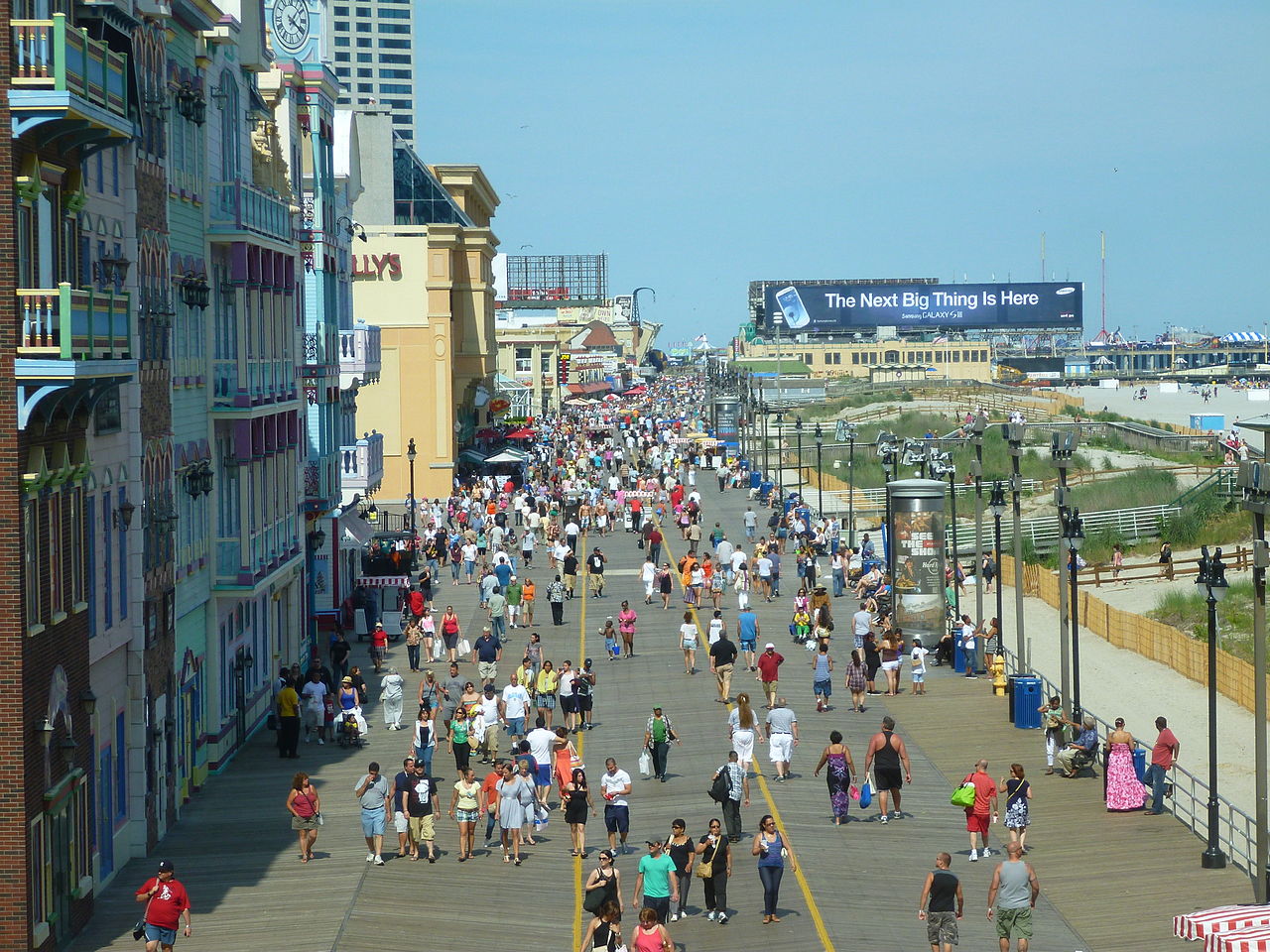
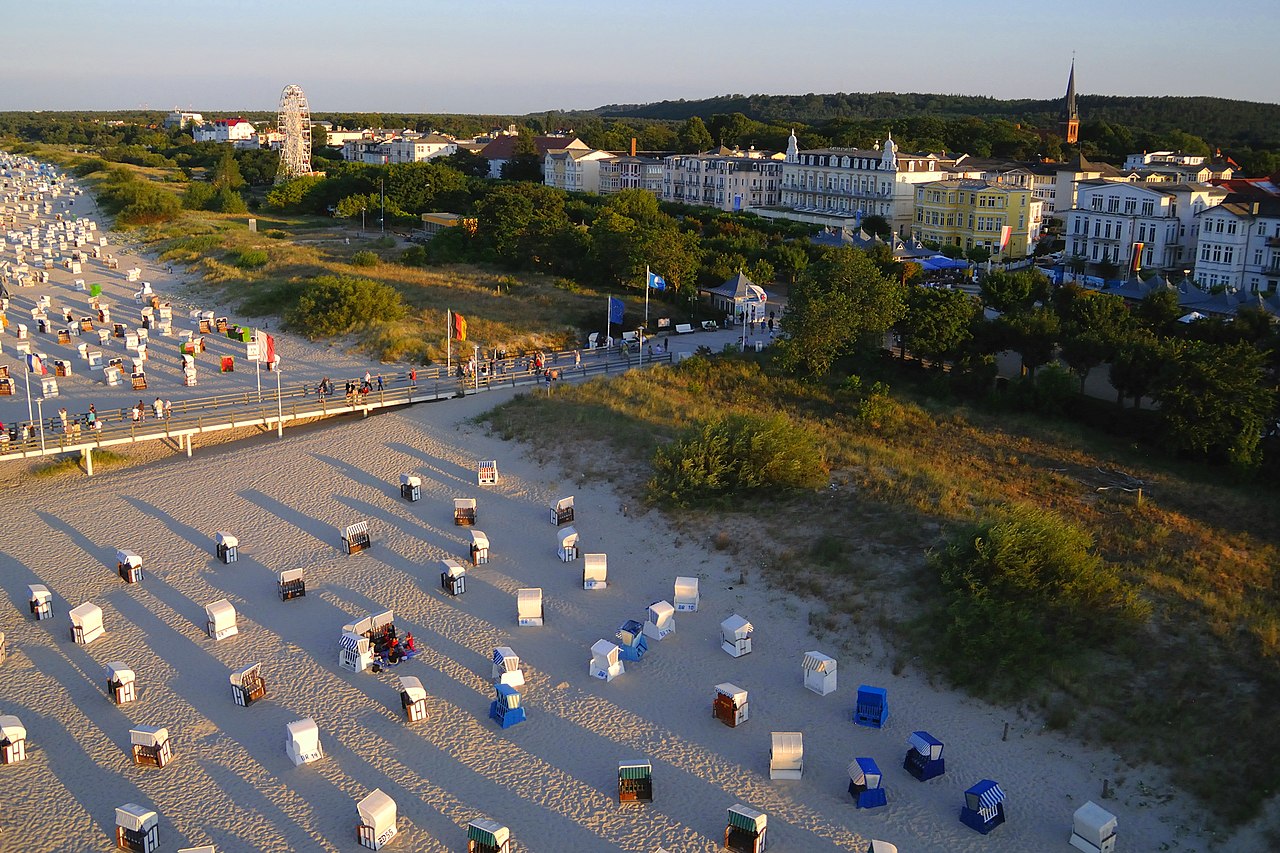
Esplanades are typically continuous stretches that run parallel to the waterline. Surfaces range from timber planks to concrete or attractive paving slabs; some include promenades for pedestrians, cycle lanes, benches, cafes and low walls. Unlike a natural foreshore, an esplanade is intentionally engineered so users need not contend with tides or unstable sand, unlike walking directly on the beach.
History and development
The concept of seafront promenades grew during the 18th and 19th centuries, becoming especially prominent in Victorian times when seaside travel and open-air leisure were encouraged for health and social display. Many coastal towns built esplanades to accommodate growing numbers of visitors to seaside resorts, turning them into focal routes for carriage promenades and later pedestrian strolls.
In the late 19th and 20th centuries esplanades evolved from purely ornamental promenades into multifunctional public ways. They were often elaborated with bandstands, gardens and piers, and later adapted for modern uses such as outdoor markets, festivals and waterside cycling routes. Their design frequently reflects changing tastes—what was once fashionable leisure architecture can be repurposed for contemporary urban life.
Uses, importance and examples
Esplanades serve civic, recreational and environmental roles: they provide accessible waterfront access, encourage walking and tourism, support small businesses and can act as flood defenses when engineered as part of an embankment. Many cities have revived derelict waterfronts by creating new esplanades to reconnect neighborhoods with rivers and harbors.
Distinctions and related forms
- Boardwalk: usually a timber walkway over sand or marsh, often in amusement or beach settings.
- Promenade: a general term for a place to walk; an esplanade is a specific waterfront variety.
- Quay or quay wall: more focused on berthing and cargo, with heavier engineering for shipping.
- Embankment: primarily a flood-control structure that can double as a public walkway.
Understanding these differences helps planners and the public choose appropriate designs for access, heritage conservation and contemporary use. Esplanades remain popular because they combine practical circulation with public enjoyment of water landscapes, and because they can be adapted to the social and environmental needs of their communities.
Related articles
Author
AlegsaOnline.com Esplanade: waterfront promenade and public open space Leandro Alegsa
URL: https://en.alegsaonline.com/art/32214