
Erzincan — city in Eastern Anatolia, Turkey
Erzincan is a provincial capital in eastern Anatolia, known for its high plain setting, agricultural economy, cultural heritage and two catastrophic earthquakes in 1939 and 1992.
Erzincan is the administrative centre of Erzincan Province in eastern Anatolia. The city occupies a broad high plain and has long been a regional hub for trade and agriculture. Its location has shaped local climate, economy and settlement patterns and has also exposed it to major seismic activity common to this part of Turkey. For regional context see Eastern Anatolia and the national setting at Turkey.
Image gallery
4 Images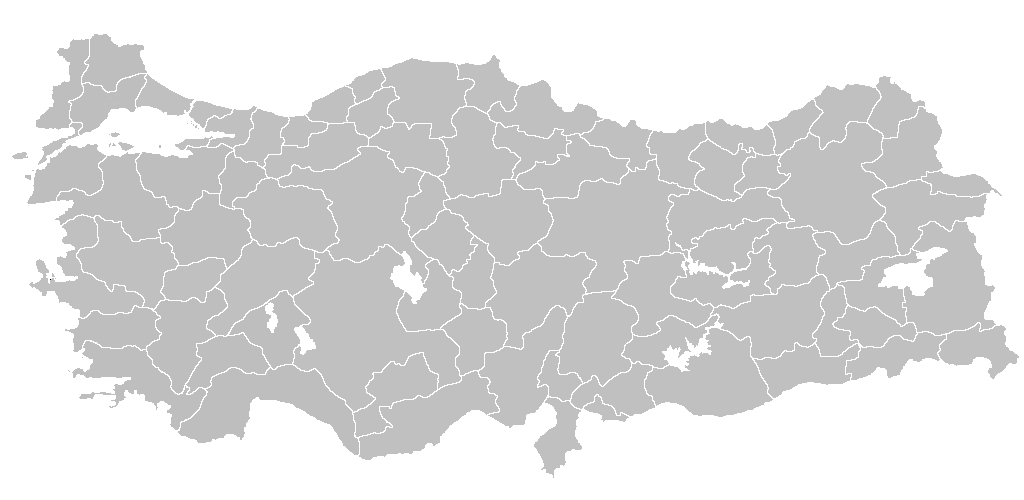


Geography and climate
Erzincan sits on a relatively flat plain surrounded by mountain ranges. The Plain has fertile soils that support cereal cultivation and pasture for livestock. The climate is continental: summers are typically warm to hot and winters can be cold, with recorded extreme lows during harsh winters. Local weather patterns and elevation influence growing seasons and water resources for the surrounding rural districts.
History and cultural features
The urban centre has a long history as a stopping point for caravans and regional trade routes in Anatolia. Over centuries it absorbed influences from many cultures that governed the region, visible in surviving religious buildings, traditional crafts and local cuisine. Today Erzincan maintains museums, mosques and public monuments that reflect Ottoman and earlier eras, alongside modern civic institutions and cultural festivals that celebrate local music and food traditions.
Major earthquakes and reconstruction
Erzincan is notable for two of Turkey's most destructive earthquakes in the 20th century. On 27 December 1939 a magnitude 7.8 quake struck the city at 01:57 UTC; widespread collapse and the extreme cold that night contributed to a very high death toll and extensive damage. Contemporary summaries and studies refer to this as the 1939 Erzincan earthquake; see a modern reference at 1939 Erzincan earthquake. On 13 March 1992, a magnitude 6.8 event again caused heavy loss, with hundreds killed and thousands injured; detailed accounts can be consulted under 1992 Erzincan earthquake. Each disaster prompted long reconstruction campaigns and contributed to the adoption of stricter seismic codes in building practice across the region.
Economy, transport and modern life
Today Erzincan's economy blends agriculture, animal husbandry, small industry and services. It functions as a local market town for the surrounding countryside and as an administrative centre. The city is connected by highway and rail links to larger regional cities and is served by a regional airport, supporting commerce and travel. Public parks, educational institutions and health services serve the city's residents while efforts to preserve cultural sites continue alongside urban development.
Notable facts
- Regional centre on a high Anatolian plain.
- Long-standing agricultural base and market functions.
- Site of the 1939 and 1992 destructive earthquakes that shaped modern planning.
- Combines historical architecture with post‑earthquake reconstruction and modern infrastructure.
Related articles
Author
AlegsaOnline.com Erzincan — city in Eastern Anatolia, Turkey Leandro Alegsa
URL: https://en.alegsaonline.com/art/32089