
Erik Erikson: Psychosocial Development, Identity, and Legacy
Erik H. Erikson (1902–1994) was a German-born American psychoanalyst and developmental psychologist best known for his eight-stage model of psychosocial development and for coining 'identity crisis'.
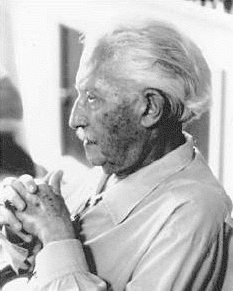
Erik Homburger Erikson (born Erik Salomonsen; 15 June 1902 – 12 May 1994) was a prominent German-born scholar who became an influential American developmental psychologist and psychoanalyst. He introduced a life-span view of human development that emphasized social and cultural influences on the formation of the self. Erikson's ideas entered popular and professional vocabulary with the phrase identity crisis, and his work continues to shape education, psychotherapy, and social theory.
Image gallery
3 Images

Theory and core concepts
Erikson built on psychoanalytic thought but shifted attention from unconscious drives to the evolving relationship between the individual and society. His central concept, ego identity, describes a sense of continuity and sameness across time. Development proceeds through a series of psychosocial challenges: at each stage a basic conflict arises that can be resolved in ways that promote psychological strengths or lead to difficulties.
- Trust vs. Mistrust (infancy): establishing security and basic trust.
- Autonomy vs. Shame and Doubt (early childhood): developing self-control and independence.
- Initiative vs. Guilt (preschool years): asserting purpose and direction.
- Industry vs. Inferiority (school age): building competence and skill.
- Identity vs. Role Confusion (adolescence): forming a coherent sense of self.
- Intimacy vs. Isolation (young adulthood): forming close relationships.
- Generativity vs. Stagnation (middle adulthood): contributing to future generations.
- Integrity vs. Despair (late adulthood): reflecting on life with acceptance.
Life, works and recognition
Erikson combined clinical observation, historical examples and cultural comparison to develop his ideas. His 1950 book Childhood and Society and later writings popularized the stages and introduced many to the idea that identity develops across the whole life course. In 1970 he received both the Pulitzer Prize and a U.S. National Book Award for Gandhi's Truth. His family included his son Kai T. Erikson, a noted sociologist (Kai T. Erikson), and his death was recorded at Rosewood Manor in Harwich, Massachusetts (place of death).
Erikson's model is widely taught and applied: clinicians use it to frame developmental concerns; educators draw on it to support students' social needs; and researchers compare it with other lifespan frameworks. While some critics question its testability and cultural universality, its emphasis on social context, resilience, and lifelong growth remains a durable contribution to human sciences. For further reading on his life and thought see sources on his biography and primary works (psychosocial development). Additional background and summaries are available through general profiles of his career and influence (psychoanalytic, biographical, national perspectives).
Notable facts: Erikson coined the term identity crisis, emphasized cultural and historical context in development, and argued that positive outcomes at each stage produce virtues—such as hope, will, purpose, competence, fidelity, love, care, and wisdom—that shape a person's character across the lifespan.
Questions and answers
Q: Who was Erik Erikson?
A: Erik Homburger Erikson was a German-born American developmental psychologist and psychoanalyst known for his theory of psychosocial development.
Q: What is Erikson known for coining?
A: Erikson is known for coining the phrase "identity crisis".
Q: Who is Erikson's son?
A: Erikson's son is Kai T. Erikson, a sociologist.
Q: Did Erikson win any awards?
A: Yes, Erikson won a Pulitzer Prize in General Nonfiction and a U.S. National Book Award in the Philosophy and Religion category, both for Gandhi's Truth.
Q: When did Erikson pass away?
A: Erikson passed away on May 12, 1994.
Q: Where did Erikson pass away?
A: Erikson passed away at the Rosewood Manor Nursing Home in Harwich, Massachusetts.
Q: What is Erikson's theory focused on?
A: Erikson's theory is focused on the psychosocial development of human beings.
Related articles
Author
AlegsaOnline.com Erik Erikson: Psychosocial Development, Identity, and Legacy Leandro Alegsa
URL: https://en.alegsaonline.com/art/31926
Sources
- pulitzer.org : "1970 Winners: Letters, Drama, and Music"
- nationalbook.org : "National Book Awards - 1970"
- nytimes.com : "Erik Erikson, 91, Psychoanalyst Who Reshaped Views of Human Growth, Dies"