
Emmaus (biblical village and Christian tradition)
Emmaus is the village mentioned in Luke’s Gospel where Jesus joined two disciples after his Resurrection. The account, its debated location, theological meaning and cultural influence are summarized here.
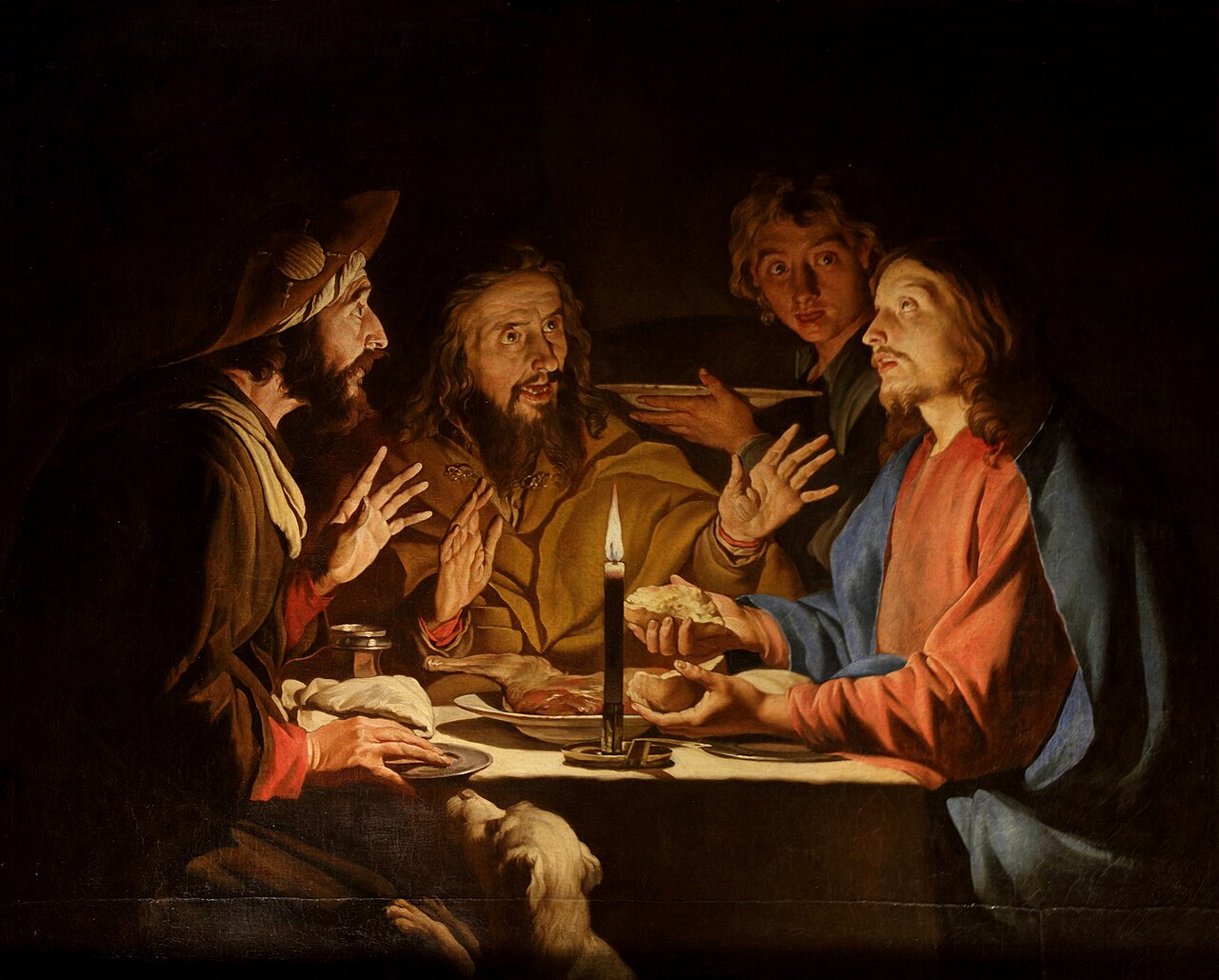
Emmaus is the name of a village mentioned in the New Testament in the story of two disciples who encountered the risen Jesus. The episode appears in Luke's Gospel and describes how two followers were returning from Jerusalem when an unrecognized traveler joined them on the road. They spoke with him about recent events in the city, and only when he blessed and broke bread with them at supper did they recognize him; immediately afterward he vanished.
Image gallery
10 Images



The Gospel account
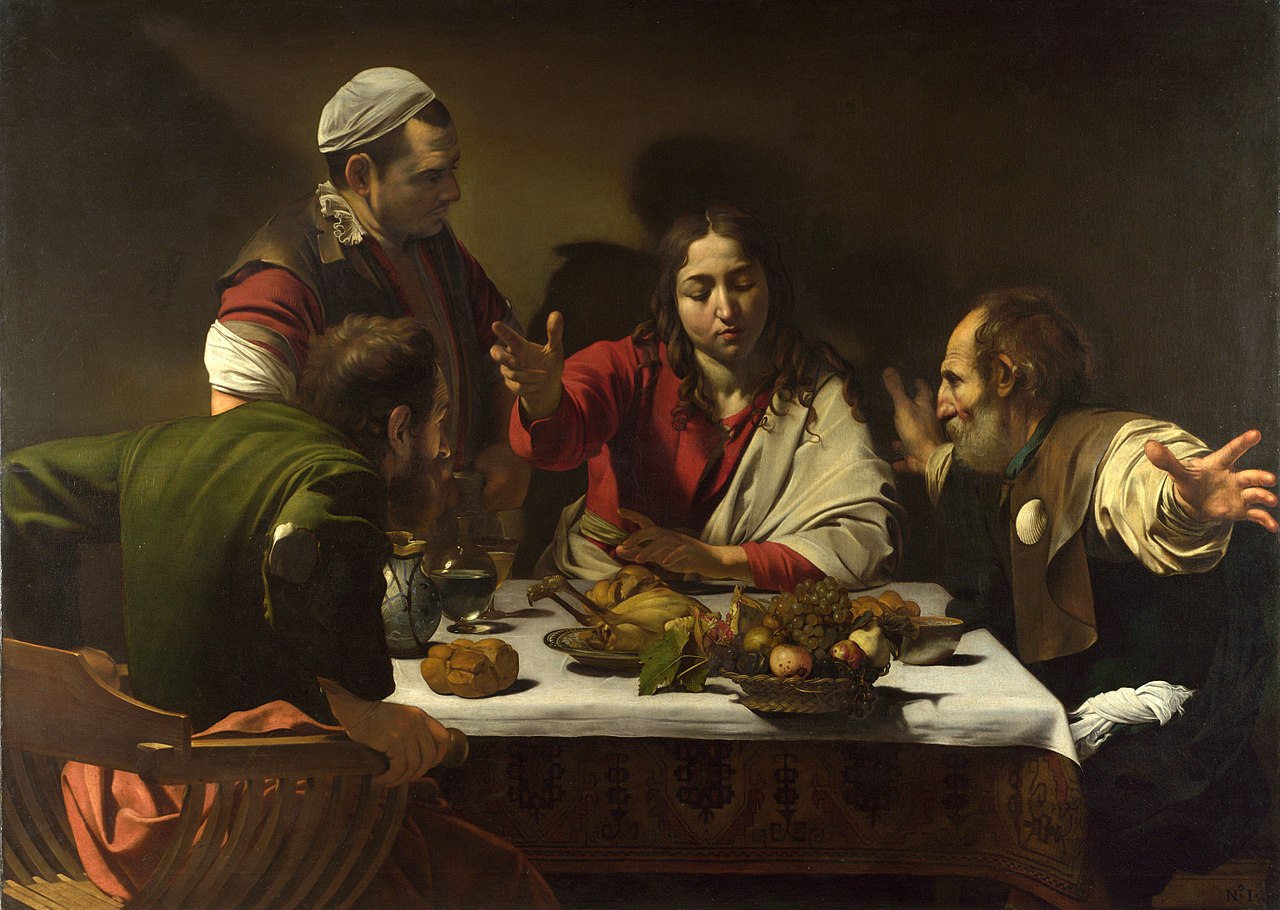
Luke recounts the meeting on the afternoon of the first day of the week following the crucifixion. One of the disciples is named in Luke's narrative as Cleopas in many manuscripts. The journey to Emmaus, the conversation about Scripture, and the moment of recognition in the breaking of bread have been emphasized by Christian readers as a vivid post‑Resurrection appearance and as a theological scene linking Scripture, hospitality and sacramental symbolism. Readers often refer to the event as the "Supper at Emmaus." The story is closely tied to the Christian belief in the Resurrection and the revelation of Jesus as alive.
Location and historical identifications
Luke describes Emmaus as being a certain distance from Jerusalem; ancient manuscripts vary on the exact measure, which has led to debate about the village's precise location. Over centuries several places have been proposed by pilgrims, local tradition and scholars. No single site is universally accepted, and the identification of Emmaus depends on how the distance in Luke is read and on historical geography.
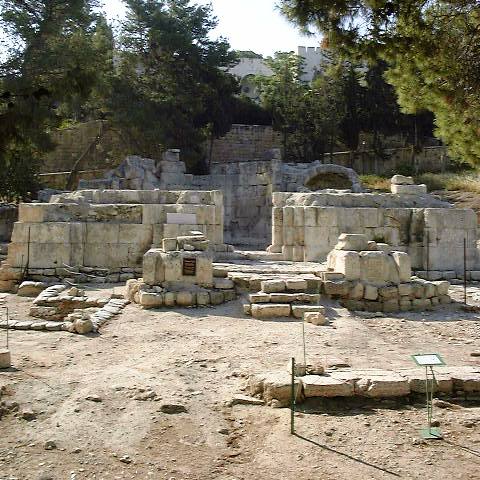
- Emmaus Nicopolis: an ancient site with remains dating to the Roman and Byzantine periods that later tradition associated with the Gospel story.
- Other proposed villages: various smaller sites in the plain west or northwest of Jerusalem have been suggested at different times; these proposals reflect competing manuscript readings and the changing patterns of pilgrimage.
- Scholarly caution: because of textual variants and limited direct evidence, many modern scholars treat specific identifications as tentative.
Archaeology and pilgrimage
From late antiquity the Emmaus tradition inspired churches and shrines. Byzantine and later crusader pilgrims recorded visits to places claimed to be Emmaus, and archaeological remains at several candidate locations include church foundations and other evidence of early Christian devotion. Such remains show how the Gospel narrative shaped pilgrimage routes and local religious life, even where definitive proof of the Gospel site's identity remains elusive.
Theological and cultural importance
The Emmaus episode is often read for its theological themes: the opening of Scripture to the disciples, Jesus' role as interpreter of the Hebrew Scriptures, the recognition in the breaking of bread (a motif linked to Christian Eucharistic understanding), and the mixture of ordinary hospitality with divine revelation. These elements have made the Emmaus story a favorite subject for preaching, liturgy and devotion. In art and music the scene has been repeatedly depicted; famous paintings titled "Supper at Emmaus" were painted by artists such as Caravaggio and others, and the moment of recognition has been explored in literature and visual art.
Modern uses of the name
Emmaus has also entered modern Christian practice and social action as a commemorative name. Retreats and renewal programs use the Emmaus image of a journey and encounter as a model for spiritual formation. Separately, charitable initiatives and community movements have adopted the name to evoke solidarity and hospitality toward the poor. The Gospel account's combination of travel, conversation and shared meal continues to resonate in religious life and civic memory.
For further reading on the text and its interpretation see the Gospel passage and commentary; many resources discuss the setting of Emmaus in greater historical and theological detail. The narrative also appears frequently in art history and in discussions of early Christian pilgrimage. The story's connection to Jesus, to the events of Easter, and to the moment when the disciples recognized him as he broke the bread at supper has made Emmaus a lasting symbol in Christian thought and practice.
Related articles
Author
AlegsaOnline.com Emmaus (biblical village and Christian tradition) Leandro Alegsa
URL: https://en.alegsaonline.com/art/31216
Sources
- emmaus-nicopolis.org : emmaus-nicopolis.org/
- books.google.com : books.google.com/books?id=TSAPAAAAYAAJ&printsec=frontcover&dq=edward+robinson
- books.google.com : books.google.com/books?id=sEB2R6FsJAkC&pg=PA147&dq=Emmaus+Nicopolis+robinson