
Emmanuel College, Cambridge
Emmanuel College, founded in 1584 in Cambridge, England, is a constituent college of the University of Cambridge noted for academic strength, historic buildings, and prominent alumni such as John Harvard and Graham Chapman.
Emmanuel College is a constituent college of the University of Cambridge located in central England. Founded in 1584 by Sir Walter Mildmay, the college today admits roughly 650 undergraduates and postgraduates and is known for consistent academic performance in the Cambridge Tripos and for an active collegiate life.
Image gallery
10 Images


History
Established during the late Tudor era, Emmanuel began as a Protestant foundation with an emphasis on clerical education and moral instruction. Over the following centuries the college broadened its academic scope and evolved from a narrowly religious institution into a modern college within the university, while retaining archival records, endowments and buildings that reflect its origins.
Architecture and grounds
The college presents a compact group of historic buildings that reflect different periods of construction. Its core includes late 16th-century red-brick work with later additions and repairs from the 18th and 19th centuries. The arrangement of courts, college chapel and library creates a traditional collegiate setting with gardens and riverside access used for recreation and rowing.
- Central courts and cloistered spaces
- College chapel and library
- Gardens and riverside areas used by students and clubs
Academics and student life
Emmanuel supports study across a wide range of university faculties, offering supervision groups, college lectures and pastoral support. Students take part in formal dinners, societies and club activities common at Cambridge; the college also fields teams in sports and maintains active musical and dramatic societies. A small fellowship body supports research and teaching within the college community.
Notable alumni and reputation
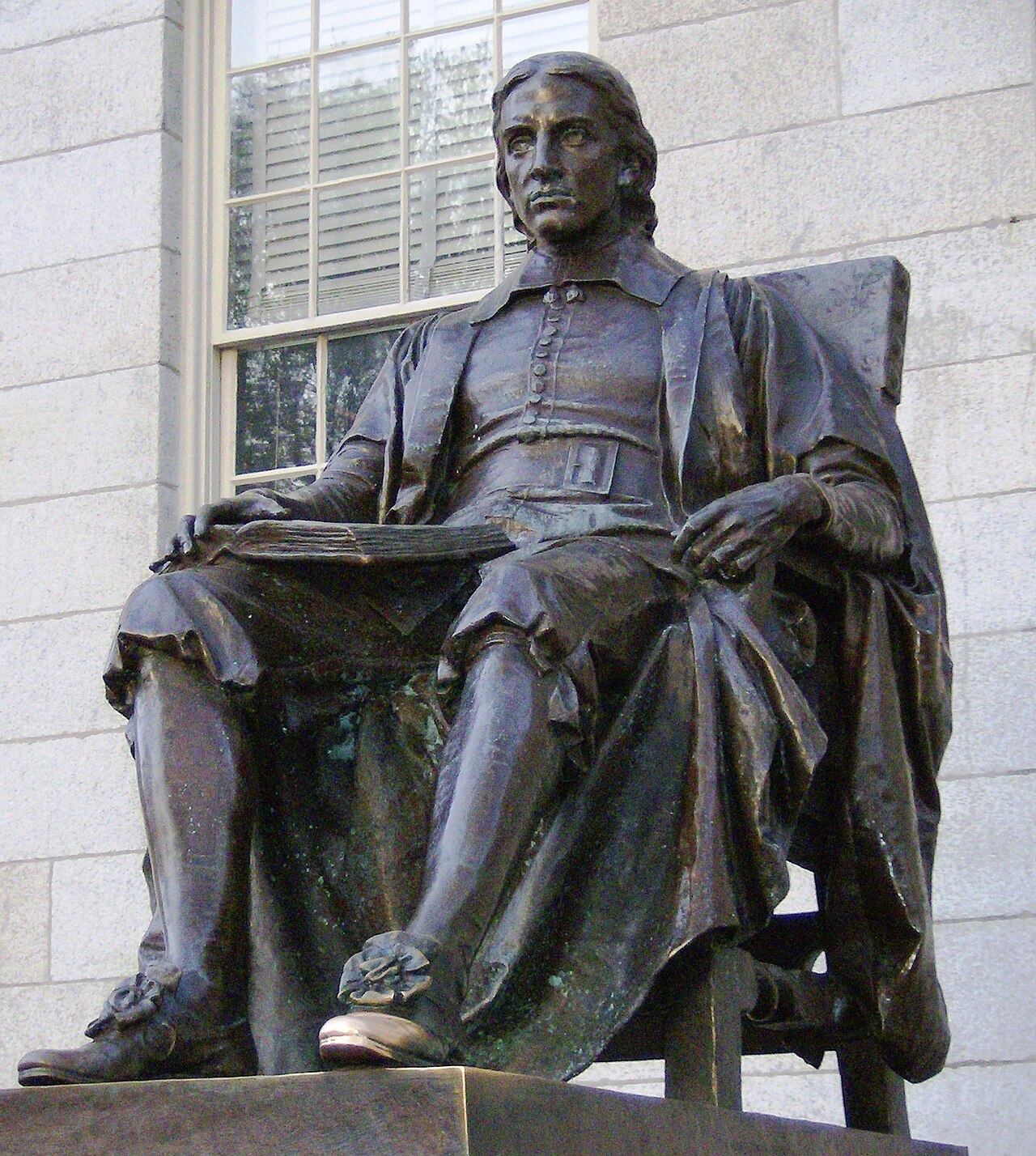
The college has produced alumni prominent in religion, scholarship, politics and the arts. Among the best known are John Harvard, whose name and bequest helped establish Harvard College in North America, and the Monty Python member Graham Chapman (Graham Chapman). Emmanuel's steady academic results and visible alumni contribute to its reputation within the university.
Contemporary matters and distinctions
Emmanuel has occasionally attracted wider public attention for matters beyond purely academic life. In 2006 the college chapel was reported to be available for same-sex civil partnership ceremonies after a statement by the Dean; the decision sparked discussion in the context of civil partnerships and the policies of the Church of England. Such episodes illustrate how historic colleges can become focal points for contemporary social and institutional debates.
Related articles
Author
AlegsaOnline.com Emmanuel College, Cambridge Leandro Alegsa
URL: https://en.alegsaonline.com/art/31208
Sources
- independent.co.uk : "Recruiting state-school pupils pays off for Cambridge college"
- cambridge.com : "Emmanuel College"