
Emeritus professor: meaning, uses, history and contemporary practice
Emeritus (or emerita) is an honorary title for retired professionals—commonly professors—recognizing past service while permitting limited ongoing activity and privileges.
The designation "emeritus" (masculine) or "emerita" (feminine) is an honorific applied to a person who has retired from a professional office but retains the title as a mark of distinguished service. The word derives from Latin and has long signified someone who has served out their term or merits continued recognition. In modern usage the term is most familiar as "professor emeritus/emerita," but it also appears in other contexts such as clergy and heads of institutions.
Image gallery
2 Images
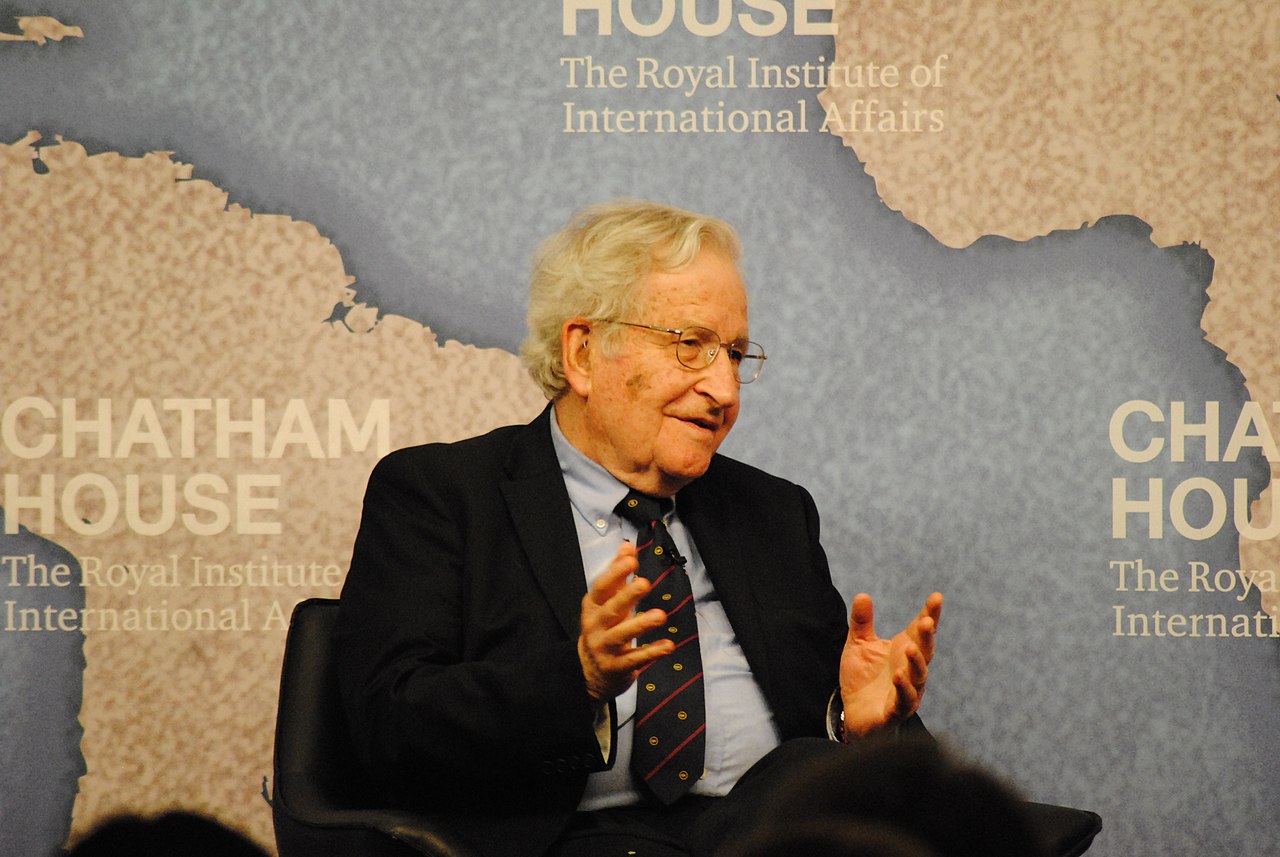
What the title means in practice
Being named emeritus is typically honorary rather than a restoration of full duties. Holders usually no longer have required teaching loads or administrative responsibilities, but they may continue to engage in scholarly research, mentor students, give occasional lectures, or participate in committees. Many institutions extend practical privileges to emeriti: office or laboratory space, library access, email accounts, or invitations to campus events. The exact rights and expectations vary widely by country and by institution.
Common characteristics and examples
- Title usage: "professor emeritus/emerita" for retired academic staff.
- Retention of rank: the emeritus title normally follows the highest rank held.
- Continued activity: permitted, but usually voluntary and limited.
- Institutional rules: some universities confer the status automatically after specified service; others require nomination and approval.
Beyond universities, similar forms appear for other roles: retired bishops or clergy may be called clergy emeritus, and former organizational leaders or presidents sometimes adopt the emeritus style to indicate retired status while preserving an advisory role. A widely noted contemporary example is Pope Benedict XVI, who after resigning in 2013 took the title "Pope Emeritus."
History and distinctions
The concept has roots in Roman and military practice, where emeritus described veterans relieved of duty but honored for service. In academia the use grew as universities formalized retirement practices and sought ways to acknowledge long-serving faculty. Important distinctions include the difference between emeritus status and ordinary retirement: the former is an awarded title that signals honor and may carry post-retirement privileges, while the latter simply marks the end of employment without honorary designation.
When referring to individuals, writers often use the emeritus title after the name (for example, "Jane Doe, Professor Emerita of Biology"). Institutions maintain policies that define eligibility, procedures for nomination, and the scope of privileges. Because practices differ, anyone seeking or interacting with an emeritus professor should consult the specific institution's guidelines to understand the rights and customary activities associated with the title.
Related articles
Author
AlegsaOnline.com Emeritus professor: meaning, uses, history and contemporary practice Leandro Alegsa
URL: https://en.alegsaonline.com/art/31123