
Enniskillen bombing (1987)
A Provisional IRA bomb exploded near the cenotaph at Enniskillen during a Remembrance Sunday service on 8 November 1987, killing civilians, injuring others and provoking widespread condemnation and political fallout.
Overview
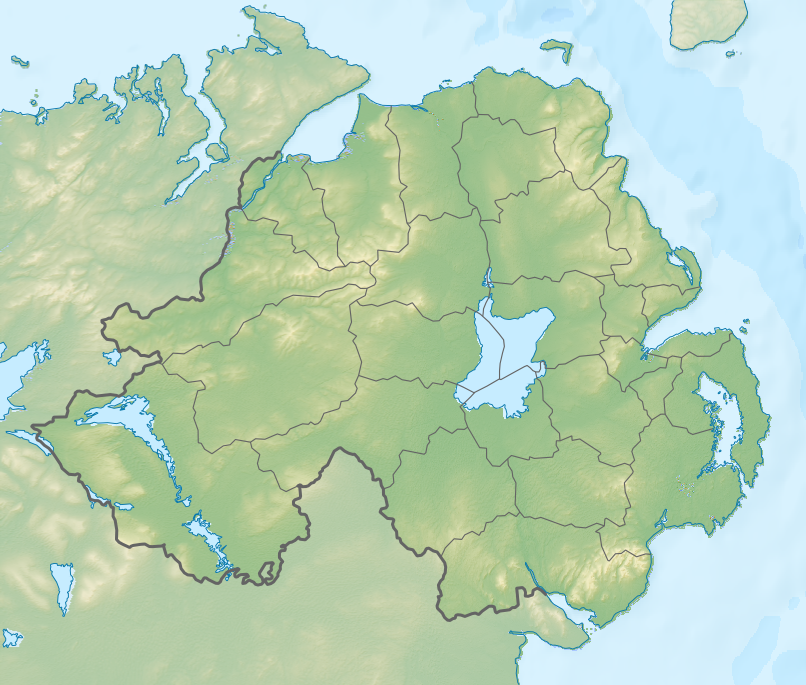
The Enniskillen bombing occurred on 8 November 1987 in Enniskillen, County Fermanagh, Northern Ireland. A device planted by the Provisional Irish Republican Army detonated close to the town's war memorial during a Remembrance Sunday ceremony. The blast struck people gathered to honour members of the British Armed Forces killed in past wars, killing civilians and wounding many more; the attack produced immediate shock across communities and the wider public.
Image gallery
5 Images


What happened
The bomb had been placed near the cenotaph and exploded as veterans, families and local residents were assembling for the service. The timing and location — a public, symbolic moment of remembrance — made the incident especially traumatic. Eyewitness accounts described scenes of panic, immediate emergency response and efforts by local people and medical teams to help the wounded.
Aftermath and reaction
The bombing prompted strong condemnation from political leaders and community figures in both Northern Ireland and the Republic of Ireland, as well as internationally. It affected public attitudes toward armed campaigns and intensified debates about tactics used by paramilitary groups. The incident is widely cited as a contributing factor to a decline in support for attacks on civilians and helped strengthen calls for alternative political approaches.
Consequences and legacy
- Legal and security responses included investigations and renewed emphasis on policing and protective measures at public commemorations.
- Memorials and annual ceremonies in Enniskillen continue to remember victims and to promote reconciliation across divided communities.
- The event is often referenced in discussions of the Northern Ireland conflict for its human cost and its influence on public opinion and peace initiatives.
Significance
Beyond the immediate human tragedy, the Enniskillen bombing became a notable turning point in the late twentieth-century history of Northern Ireland. It underscored the vulnerability of civilians during the conflict and contributed to the political momentum that eventually led many actors toward dialogue and the search for non-violent solutions. For further context about the town, county and broader conflict, see local histories and conflict chronologies linked below.
Related entries: device and bombing techniques, Enniskillen, Provisional IRA.
Questions and answers
Q: When did the Enniskillen bombing occur?
A: The Enniskillen bombing occurred on November 8, 1987.
Q: Where did the Enniskillen bombing take place?
A: The Enniskillen bombing took place in Enniskillen, County Fermanagh, Northern Ireland.
Q: What happened during the Remembrance Sunday ceremony in Enniskillen?
A: A Provisional Irish Republican Army bomb exploded near the town's centotaph during the Remembrance Sunday ceremony commemorating members of the British Armed Forces who had been killed in wars.
Q: What was the purpose of the Remembrance Sunday ceremony in Enniskillen?
A: The Remembrance Sunday ceremony in Enniskillen was meant to commemorate members of the British Armed Forces who had been killed in wars.
Q: Who was responsible for the Enniskillen bombing?
A: The Provisional Irish Republican Army was responsible for the Enniskillen bombing.
Q: What was the impact of the Enniskillen bombing?
A: The Enniskillen bombing killed 11 people and injured 63 others. It was widely condemned as an act of terrorism.
Q: Why was the Enniskillen bombing controversial?
A: The Enniskillen bombing was controversial because it occurred during a Remembrance Sunday ceremony and targeted civilians.
Related articles
Author
AlegsaOnline.com Enniskillen bombing (1987) Leandro Alegsa
URL: https://en.alegsaonline.com/art/31538