
Emerald Isle, North Carolina: coastal town on the Bogue Banks
Emerald Isle is a small barrier island town on North Carolina’s Crystal Coast. Known for wide beaches, seasonal tourism, fishing and sea‑turtle nesting, it was incorporated in 1953 and attracts many summer visitors.
Overview
Emerald Isle is a small town located on a barrier island off the coast of North Carolina in the United States. It is part of the Crystal Coast resort region and is widely recognized as a family oriented beach community with long, sandy shorelines and a seasonal population surge. The town's shoreline, residential neighborhoods and visitor services support both short stays and second‑home ownership.
Image gallery
6 Images



Geography and natural features
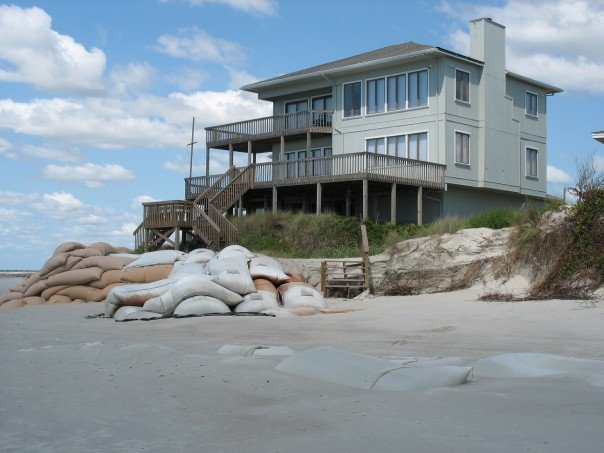
Emerald Isle sits on Bogue Banks, a narrow barrier island that shields inland sounds and estuaries. The island’s beaches, dunes and maritime forests provide habitat for shorebirds and nesting sea turtles. The waters off the island attract anglers, boaters and swimmers, and the area is valued for its relatively wide, sandy beaches and occasional surf.
History and development
The island developed in the 20th century from fishing and small‑scale vacation uses into a planned resort town. Emerald Isle was formally incorporated as a town in 1953. Over time infrastructure, public parks and rental properties grew to accommodate visitors while preserving beach access and local character.
Activities and attractions
Visitors come for sun, water recreation and simple coastal life. Each summer tens of thousands visit the island; estimates vary by season and year but the town experiences a sharp increase in population during warm months (summer visitors). Typical activities include:
- Swimming, sunbathing and surfing along the oceanfront
- Fishing from piers, charter boats and shoreline
- Kayaking and paddleboarding in sounds and inlets
- Wildlife watching—especially sea‑turtle nesting and shorebirds
Governance and community
Local government manages beach access, dune protection and services for residents and tourists. Residents value the town’s seasonal rhythm and coastal ecology, and community efforts emphasize safety, clean beaches and low‑impact development to maintain the island’s appeal.
Notable facts
Emerald Isle is representative of small American coastal towns that balance tourism with conservation. For general visitors and researchers, municipal resources and regional guides provide practical information and maps (town information, beach details, state context, national context, and historical notes such as the town’s incorporation and seasonal patterns of tourism).
Related articles
Author
AlegsaOnline.com Emerald Isle, North Carolina: coastal town on the Bogue Banks Leandro Alegsa
URL: https://en.alegsaonline.com/art/31105
Sources
- indyweek.com : indyweek.com/gyrobase/Content?oid=oid%3A24954
- commons.wikimedia.org : Emerald Isle, North Carolina