
Electoral Palatinate (Kurpfalz): history, government and legacy
The Electoral Palatinate (Kurpfalz) was a major principality of the Holy Roman Empire from the 11th century to secularisation in 1803, known for its electors, Heidelberg university, and Protestant heritage.
Overview
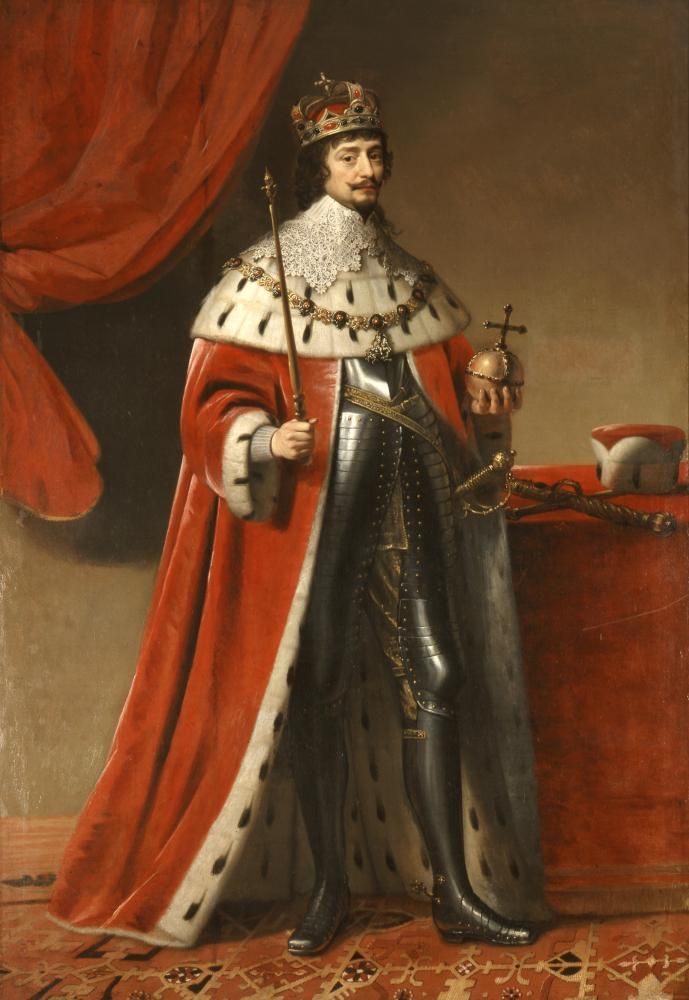
The Electoral Palatinate, known in German as Kurpfalz, was a territorial principality within the Holy Roman Empire. From its emergence in the medieval period until its dissolution in 1803 it was ruled by powerful princes who held one of the electorates that chose the emperor. The territory played a significant role in imperial politics, religious change, and German culture.
Image gallery
8 Images




Geography and political structure
The Palatinate consisted of scattered lands primarily along the Rhine and in regions later associated with Bavaria. Its ruling prince carried the title Elector Palatine (Kurfürst) and exercised both territorial government and an influential vote in the imperial electoral college. The court and administration were traditionally centered at Heidelberg and later also at other residences such as Mannheim.
Historical development
Originating in the high Middle Ages, the Palatinate's status as an electorate was confirmed by imperial law in the later medieval period. It became prominent in the Renaissance and Reformation: Heidelberg hosted a major university and the territory adopted Protestant confessions during the 16th century. The Palatinate suffered severe devastation in the Thirty Years' War and in wars with France, which repeatedly displaced its rulers and damaged towns and castles.
Cultural and religious importance
Heidelberg University, founded in the late 14th century, made the region a center of learning. Under several electors the Palatinate became associated with Protestant scholarship and Calvinist influence in parts of Germany. Architecture, printing and courtly patronage contributed to its cultural profile, including notable castle complexes and ecclesiastical foundations.
End and legacy
The Electorate as a coherent political unit ended with the imperial reorganisations and secularisation of 1803, when its territories were redistributed among larger states. Its dynastic lineages, administrative traditions and cultural institutions continued to shape German regional identity, and many of its cities and monuments remain important historical sites today.
Notable features
- One of the secular electorates of the empire, with an influential vote in imperial elections.
- Heidelberg University and its humanist and Reformation-era scholarship.
- Repeated wartime destruction and reconstruction in the early modern period.
- A dynastic seat of branches of the House of Wittelsbach and allied noble lines.
Related articles
Author
AlegsaOnline.com Electoral Palatinate (Kurpfalz): history, government and legacy Leandro Alegsa
URL: https://en.alegsaonline.com/art/30659