
Empire of Nicaea
Byzantine Greek successor state (1204–1261) centered at Nicaea that preserved imperial institutions after the Fourth Crusade and restored Byzantine rule in Constantinople.
Overview
The Empire of Nicaea (Βασίλειον τῆς Νίκαιας) was the principal Byzantine Greek successor state formed after the capture of Constantinople during the Fourth Crusade. Established in 1204, it endured until 1261 and is best known for maintaining Byzantine political and cultural traditions while preparing for the eventual recovery of Constantinople.
Image gallery
6 Images


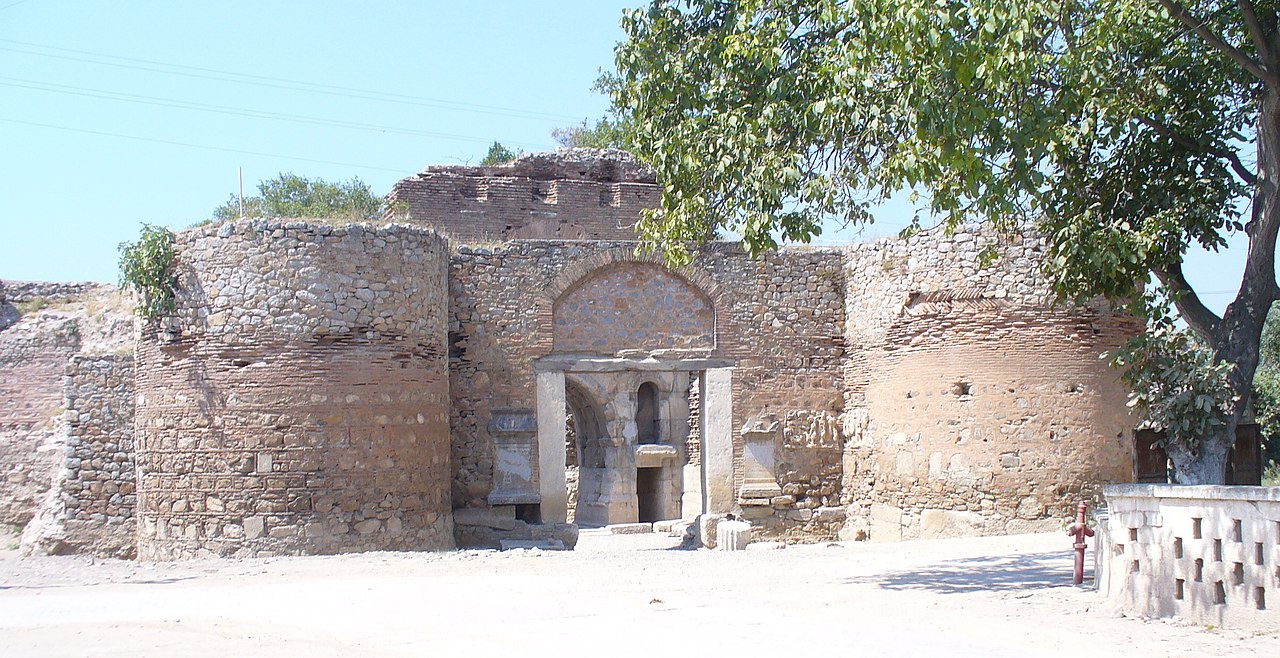

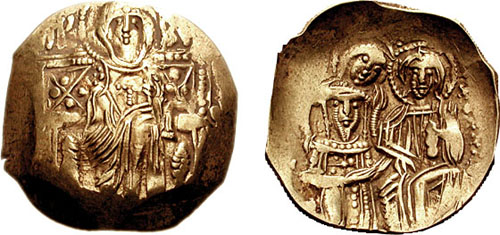
Territory and institutions
Centered on the city of Nicaea in northwestern Anatolia, the state controlled varying stretches of western Asia Minor and at times held sway over islands and coastal towns. It preserved much of the Byzantine administrative apparatus: imperial titles, court ceremonies, church hierarchy and legal practice. Military organization combined native thematic forces with troops raised by local magnates and mercenaries.
Founding and development
After 1204, members of the Byzantine aristocracy and clergy fled east and regrouped under local leaders who proclaimed themselves emperors at Nicaea. Over the next decades these rulers consolidated authority, negotiated with Latin principalities established on former Byzantine lands, and fought to reclaim territory. The state also became a center for displaced scholars, clerics and artisans, sustaining Byzantine learning and artistic production outside Constantinople.
Recovery of Constantinople
The Empire of Nicaea ultimately achieved its central aim when Byzantine rule in Constantinople was restored in 1261. That restoration marked the end of Nicaea as a separate polity but allowed the continuity of the empire under a new dynasty. The recapture did not immediately return the empire to its former extent, yet it re-established Constantinople as the imperial capital.
Importance and legacy
The Nicaean state is significant for preserving Byzantine identity during a period of fragmentation, defending Orthodox institutions, and acting as the nucleus from which the Byzantine imperial tradition was revived. Its courts and monasteries kept legal, liturgical and literary traditions alive, while its diplomacy and warfare shaped relations with Latin states, neighboring Turkish emirates, and Western powers.
Notable features
- Maintained imperial titles and ceremonies despite displacement from the capital.
- Served as a cultural refuge that nurtured scholars and artisans.
- Balanced diplomacy and military action to survive between Latin states and Turkish principalities.
For further reading on the broader Byzantine context and the events of the Fourth Crusade, see entries on the Byzantine Empire and the Latin occupation of Constantinople (Constantinople), which illuminate the circumstances that produced the Empire of Nicaea.
Related articles
Author
AlegsaOnline.com Empire of Nicaea Leandro Alegsa
URL: https://en.alegsaonline.com/art/31275