
Elizabethan era (1558–1603): England under Queen Elizabeth I
Period of English history during the reign of Elizabeth I (1558–1603), noted for political consolidation, religious settlement, flourishing arts, exploration, and economic growth.
Overview
The Elizabethan era refers to the period of English history dominated by the reign of Queen Elizabeth I, from 1558 until her death in 1603. It is remembered as a time of relative political stability after decades of religious turmoil, and for a cultural flowering that helped shape English national identity. The age combined conservative government and energetic private enterprise, producing notable advances in literature, drama, music, and architecture.
Image gallery
10 Images




Politics and religion
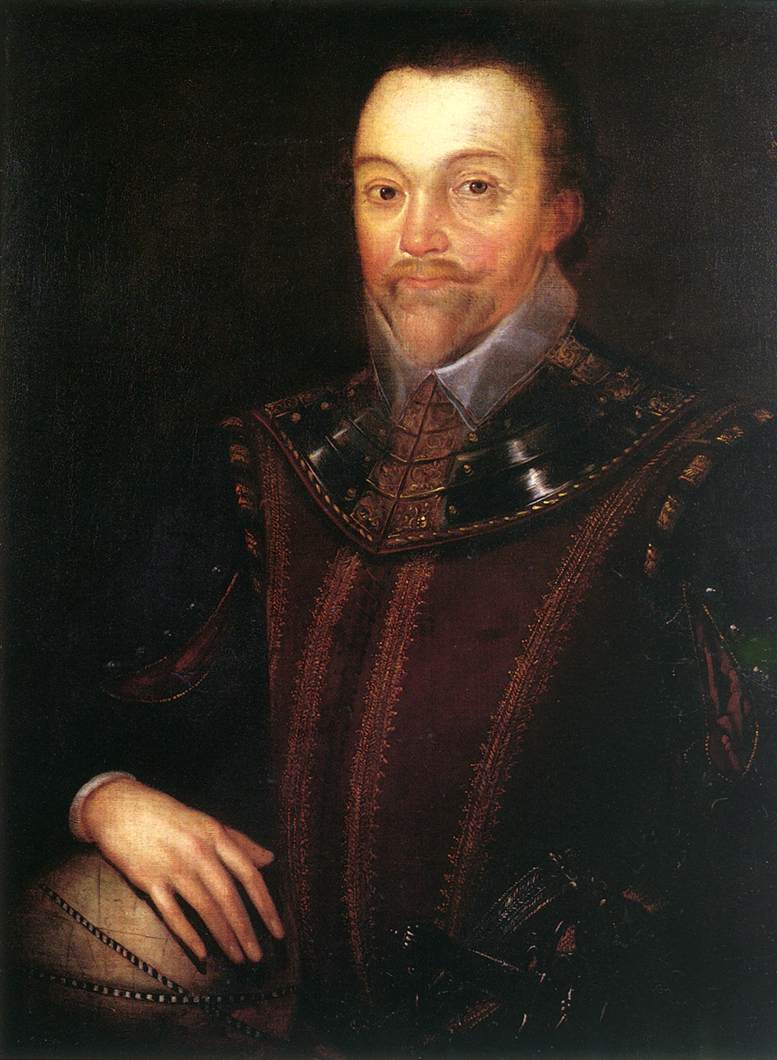
Elizabeth I pursued a pragmatic settlement that aimed to unify the kingdom without provoking renewed civil war. Her compromise placed the Church of England at the center of public worship while allowing some latitude in practice. Tensions between Catholics and Protestants persisted, often linked to international rivalries, but extreme outbreaks of sectarian violence were less frequent than in earlier decades. Foreign policy mixed cautious diplomacy with naval assertiveness, exemplified by privateering and confrontations with Spain.
Culture, arts and architecture
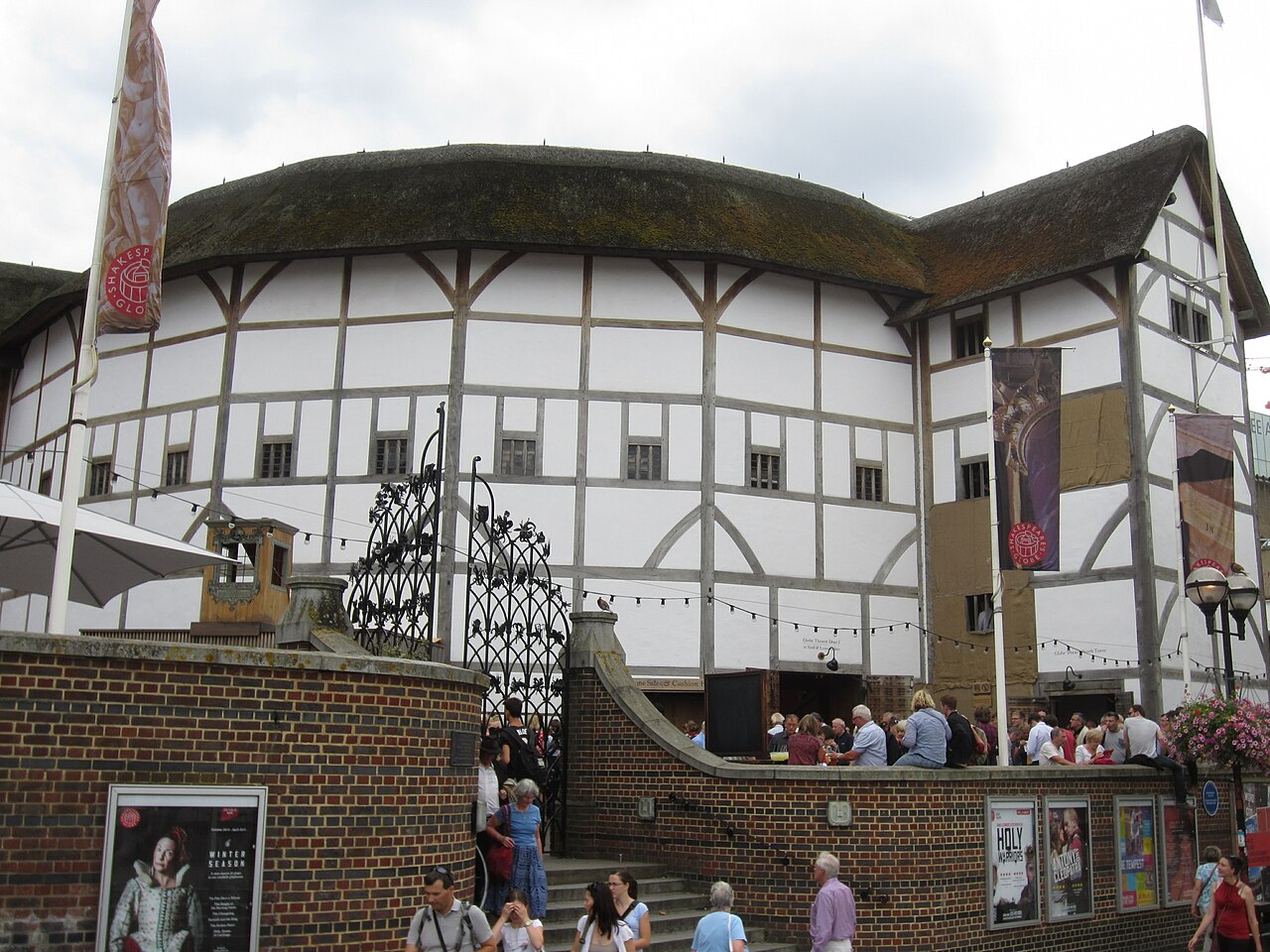
Culturally the era is most famous for the dramatic arts: William Shakespeare, Christopher Marlowe and other playwrights transformed English theatre. Poetry and music also flourished, and a distinctive style of domestic architecture emerged. This period saw the spread of Renaissance ideas into England and adaptations in building design often called Elizabethan or Tudor; for examples see discussions of Renaissance architecture in England at architecture sources.
Economy, exploration and trade
Economic activity expanded through improved agriculture, a growing market for wool and cloth, and increased overseas trade. English merchants and privateers pushed into the Atlantic, laying early foundations for later colonial ventures. Economic trends and financial policy affected social life and fed cultural patronage; further economic context can be explored via general economy resources.
Social life and daily experience
Daily life varied by class. The aristocracy lived in fortified manor houses and participated in court culture; a rising gentry class invested in land and local government. Urban populations increased, bringing both opportunity and social tensions. Education expanded for the propertied classes, and printed books made ideas more accessible.
Legacy and notable features
- Enduring literary output, especially drama and poetry.
- Religious settlement that shaped subsequent English practice.
- Early steps toward global maritime engagement and trade.
- Distinctive architecture and decorative arts blending Gothic and Renaissance elements.
The Elizabethan era remains a widely studied moment in English history because it combines political consolidation with artistic and economic vitality. For further reading and curated resources see the linked topic pages above.
Related articles
Author
AlegsaOnline.com Elizabethan era (1558–1603): England under Queen Elizabeth I Leandro Alegsa
URL: https://en.alegsaonline.com/art/30894
Sources
- worldcat.org : 256072