
Electorate of Brunswick-Lüneburg (Electorate of Hanover)
A principality of the Holy Roman Empire elevated to an electorate in 1692; ruled by the House of Welf and later in personal union with Great Britain, it became the Kingdom of Hanover after 1814.
Overview
The Electorate of Brunswick-Lüneburg, commonly called the Electorate of Hanover in English, was a territorial state of the Holy Roman Empire whose ruler held one of the imperial electoral votes. The territory grew from the medieval Duchy of Brunswick-Lüneburg and, after internal partitions and reunifications, its Calenberg line emerged as the dominant branch. In 1692 the Duke of Brunswick-Lüneburg was elevated to the status of Elector by the emperor; rulers of the state thereafter used the style Elector of Hanover (German: Kurfürst von Hannover).
Image gallery
9 Images


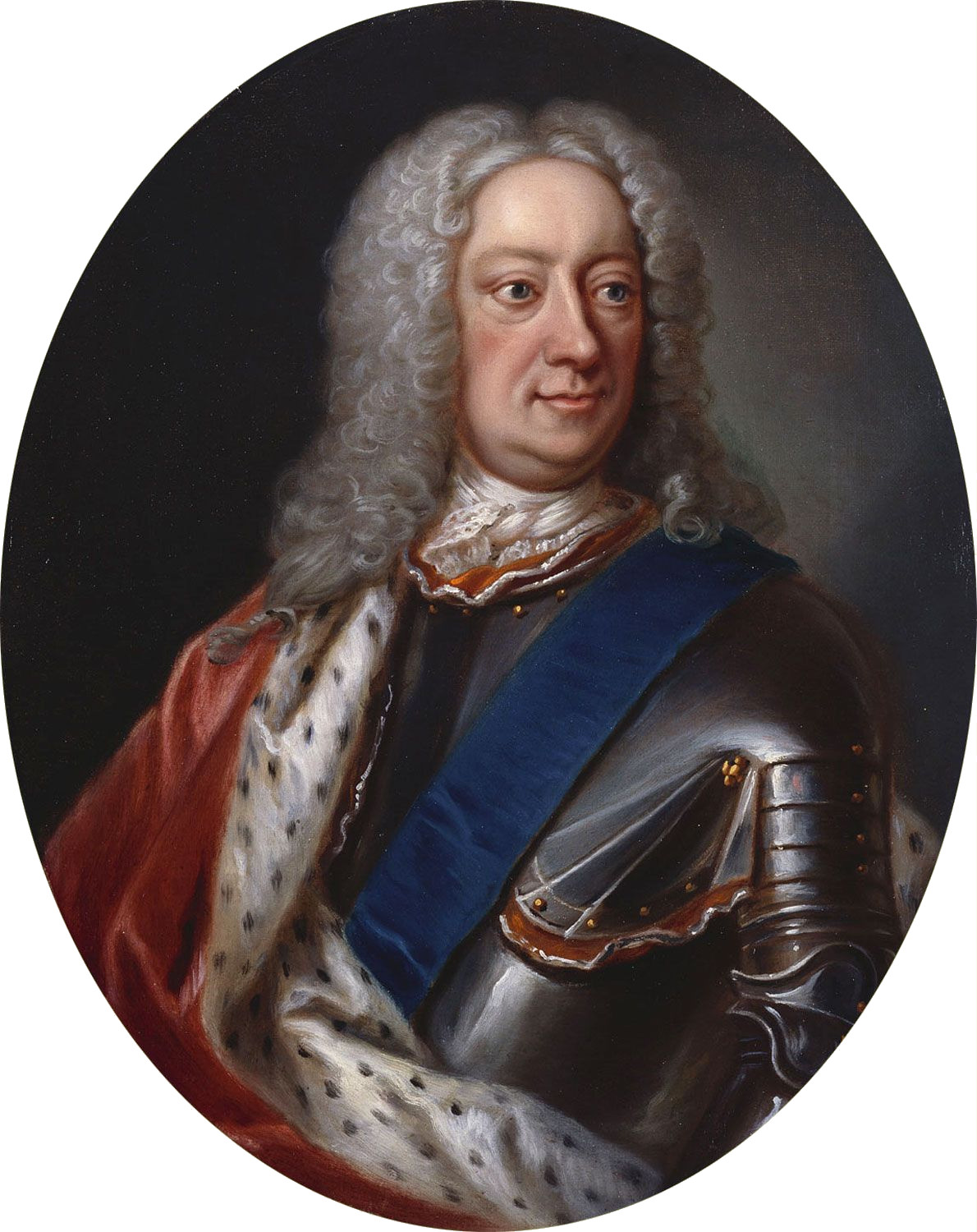


Territorial composition and government
The duchy had no single fixed form: it consisted of several principalities and domains, with the town of Hanover (Hannover) as a principal residence and administrative center for the Calenberg line. Local administration combined feudal jurisdictions, princely courts, and emerging modern institutions; landgraviate, ducal and electoral titles reflected this layered sovereignty within the empire. The state's economy was mixed, based on agriculture, trade through river connections, and developing crafts and manufactures in urban centers.
Historical development
The origins lie in the Welf (Guelph) dynasty's possession of Brunswick and Lüneburg from the High Middle Ages. Over centuries the dynasty's lands were divided among heirs, producing separate principalities such as Lüneburg, Calenberg and Brunswick-Wolfenbüttel. The elevation to electoral rank in the late 17th century increased the principality's standing in imperial politics. The Holy Roman Empire itself changed radically in the Napoleonic era: the imperial institutions dissolved in 1806 and many German states were reorganized under French influence before being restored or reshaped at the Congress of Vienna.
Personal union with Great Britain
Dynastic ties connected Hanover to the British succession. The Act of Settlement (1701) and related arrangements named electress Sophia of Hanover and her descendants as heirs to the British throne to secure a Protestant succession. When Queen Anne died in 1714, Sophia's son—the Elector of Hanover—became King George I of Great Britain, beginning a long period in which British monarchs were simultaneously rulers of Hanover. This personal union shaped diplomacy and military alignments in 18th‑century Europe and linked Hanoverian interests to British policy.
Napoleonic upheaval, restoration and later status
During the Napoleonic Wars the electorate's territory was occupied and restructured under French hegemony and allied states; the Holy Roman Empire ceased to exist in 1806. After the defeat of Napoleon, European powers reorganized German territories at the Congress of Vienna. The Electorate of Hanover was raised to the Kingdom of Hanover in 1814, transferring the ruler's status from imperial elector to sovereign king. The personal union with Britain continued until 1837, when differing succession laws ended the British–Hanoverian union and the two crowns separated.
Legacy and distinctions
- The Electorate is often called simply "Hanover" in English-language sources; German usage commonly distinguishes Hannover (place/name) and Kurfürstentum Hannover (the electorate).
- Its rulers belonged to the House of Welf, one of central Europe's oldest dynasties.
- The office of elector signified a vote in choosing the Holy Roman Emperor (the imperial throne), a key element of the empire's constitution until 1806.
- The dynastic connection created a notable Anglo-German link: the Hanoverian dynasty reigned in Britain and influenced 18th-century politics on both sides of the North Sea (Great Britain).
For further reading on electoral privilege, dynastic history and terminological distinctions between duchy and electorate, see general surveys of the Holy Roman Empire and studies of German princely houses (German sources).
Related articles
Author
AlegsaOnline.com Electorate of Brunswick-Lüneburg (Electorate of Hanover) Leandro Alegsa
URL: https://en.alegsaonline.com/art/30658