
George C. Scott: American actor, director, and commanding stage presence
Overview of George C. Scott (1927–1999): a stage-centered career, landmark film roles (Patton, Dr. Strangelove), acting approach, awards, and cultural influence.
Overview
George Campbell Scott (October 18, 1927 – September 22, 1999) was an American stage, television, and film actor, director, and producer. He built a reputation for a muscular, authoritative presence and an abiding commitment to live theatre as the foundation of his craft. While his film and television roles brought him wide recognition, colleagues and critics often emphasized his stage work as central to his identity as a performer.
Image gallery
6 Images


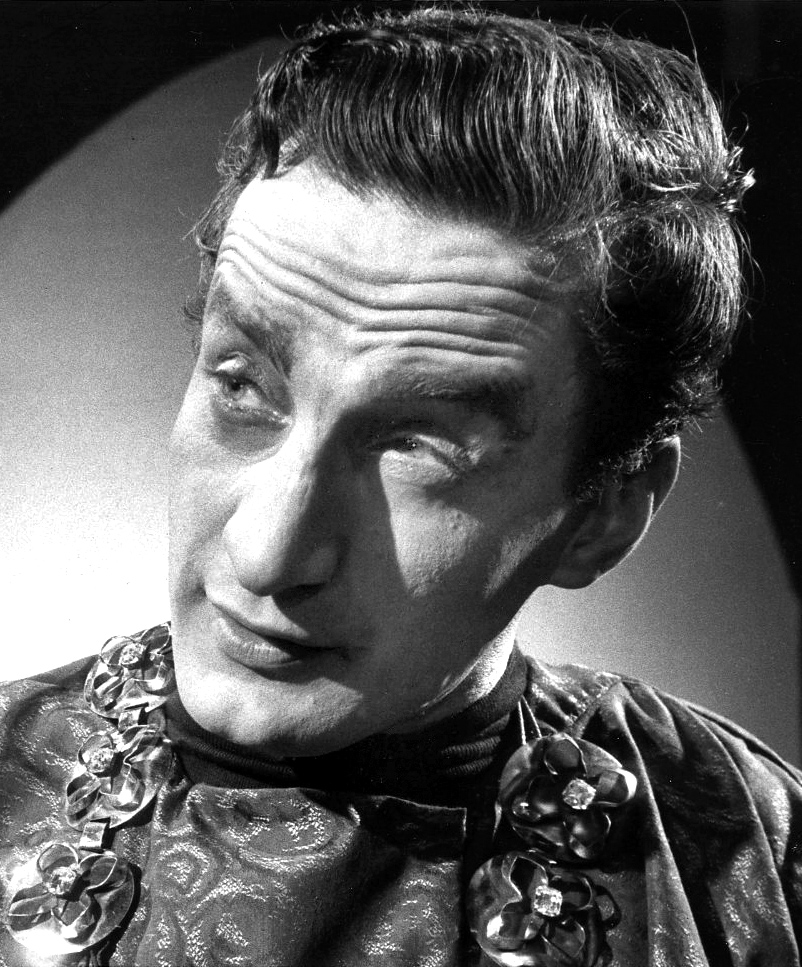
Early career and stage work
Scott trained and worked in regional theatres and on Broadway, developing a broad repertory that ranged from classical material to contemporary plays. His stage career informed his approach to character: an emphasis on vocal control, physical discipline, and psychological intensity. Even after success in Hollywood, he regularly returned to the stage and remained identified with serious theatrical work.
Film and television highlights
Two of Scott's most familiar screen performances established his public profile. He played General George S. Patton in the biographical film Patton, a portrayal noted for its fierce command and complexity; the part remains one of the most referenced dramatic portrayals of a real-life military figure. Earlier, he appeared as the bombastic General Buck Turgidson in Stanley Kubrick's satire Dr. Strangelove, a role that showcased his gift for combining blunt force and comic timing under a director widely admired for his exacting standards, Stanley Kubrick. Scott often chose roles that placed authoritative personalities and moral ambiguity at the center of the story.
Approach and public persona
Scott's acting style was marked by a powerful voice, precise physicality, and a refusal to soften a character for popular appeal. He was outspoken about the difference between theatre work and celebrity culture, and his bluntness about awards and publicity became part of his public image. Notably, he was awarded the Academy Award for Best Actor for his work in Patton, a prize he famously declined to accept in person, which has become a well-known anecdote about his ambivalence toward industry rituals.
Awards, legacy and influence
Scott received major critical recognition during his career and is remembered as an uncompromising leading actor of his generation. His performances are often used in acting study as examples of how stage discipline and film acting can combine to create powerful screen characters. He influenced later performers who sought to maintain theatrical rigor while working in cinema and television. After his death in 1999, retrospectives and critical studies continued to assess his contributions to American acting and theatre.
Selected filmography and recommendations
- Patton (title role) — signature film performance.
- Dr. Strangelove — memorable comic turn as General Buck Turgidson.
- Extensive stage credits on Broadway and regional theatres; notable collaborations with directors and playwrights across his career.
Further reading
For an introduction to his screen work, begin with Patton and Dr. Strangelove. For context on his theatrical life and methods, consult biographies and theatrical archives that document his stage roles and productions. For a concise overview linking stage and screen aspects of his career, see general actor profiles and career retrospectives available through major performing-arts resources (theatre sources).
Questions and answers
Q: Who was George Campbell Scott?
A: George Campbell Scott was an American stage, television, and movie actor, director, and producer.
Q: What was he best known for?
A: He was best known for his stage work and his performances as General George S. Patton in the movie Patton and as General Buck Turgidson in Stanley Kubrick's Dr. Strangelove.
Q: When was he born?
A: He was born on October 18, 1927.
Q: When did he pass away?
A: He passed away on September 22, 1999.
Q: What types of performances did he do?
A: He was primarily a stage actor but also appeared frequently on television and in movies.
Q: What were some of his famous roles?
A: Some of his famous roles include General George S. Patton in Patton and General Buck Turgidson in Dr. Strangelove.
Q: Was he involved behind the scenes in production as well?
A: Yes, he was also a director and producer in addition to his acting career.
Author
AlegsaOnline.com George C. Scott: American actor, director, and commanding stage presence Leandro Alegsa
URL: https://en.alegsaonline.com/art/138816