
Eduard Limonov: writer, dissident, and controversial Russian political figure
Biography of Eduard Limonov (Eduard Savenko), covering his literary work, political activism (National Bolshevik Party, The Other Russia), controversies, and legacy.
Overview
Eduard Limonov (born Eduard Veniaminovich Savenko; 22 February 1943 – 17 March 2020) was a prominent and divisive figure in late 20th- and early 21st-century Russian cultural and political life. He combined work as a novelist, poet and publicist with outspoken involvement in street politics. Limonov built a reputation for provocative, autobiographical fiction and for founding political movements that defied the post-Soviet political mainstream. His name and writings have been discussed both as important contributions to Russian underground literature and as elements of radical nationalist politics. For the Russian-language form of his name and further language details, see Russian-language sources.
Image gallery
5 Images
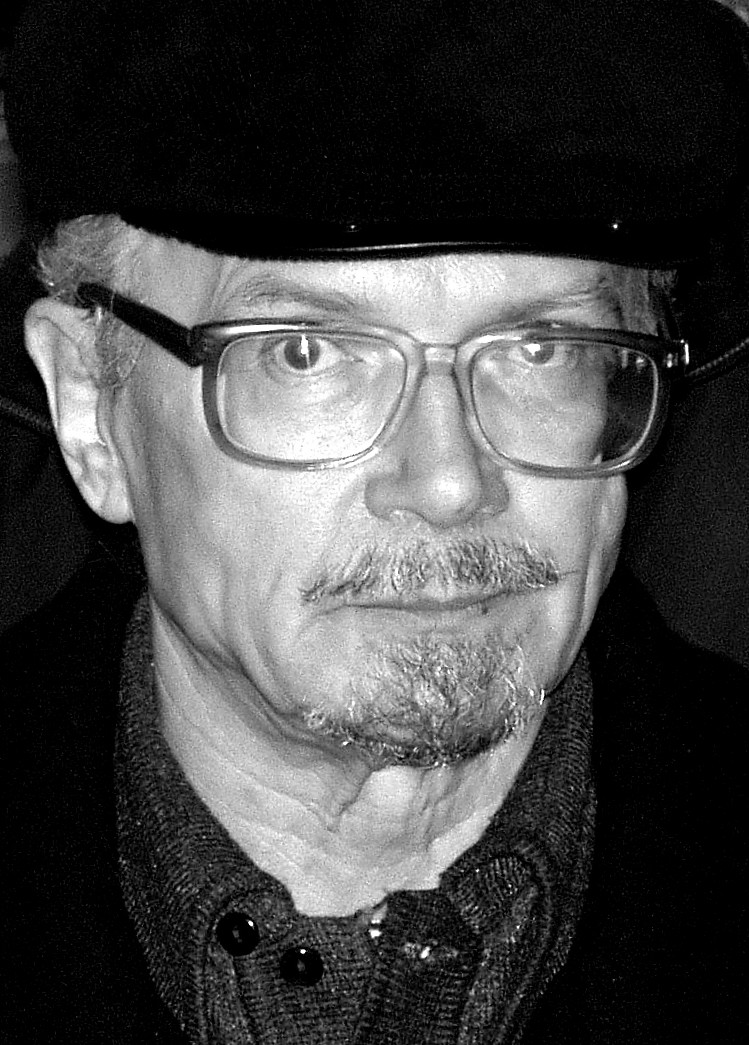


Literary career and style
Limonov's writing blended memoir and fiction, often drawing on personal experiences of exile, poverty, confrontation and longing for ideological belonging. He became known for blunt, raw prose that challenged social norms and mixed dark humor with bleak observations. His best-known novel, often translated as It's Me, Eddie, drew widespread attention for its frank voice and for pushing the boundaries of what was acceptable in Soviet and émigré circles. He published poetry and essays as well as novels, and his work circulated both abroad and in Russia, contributing to debates about identity, masculinity and rebellion in late Soviet and post-Soviet culture. For bibliographic and critical entries, see literary references.
Political activism and organizations
Alongside his literary work, Limonov became an active political organizer. He founded the National Bolshevik Party (NBP), a movement that combined radical nationalist rhetoric with provocative iconography and theatrical public actions. The NBP and its successors cultivated a youth subculture and staged high-profile demonstrations against the Russian political establishment. In the 2000s Limonov helped lead the coalition known as The Other Russia, which brought together disparate opposition groups for public protests and marches. His political activity frequently placed him at odds with authorities and mainstream critics alike. For background on these movements and coalitions, consult political overviews.
Controversies, prosecutions and shifting positions
Limonov's combination of literature and radical politics made him a polarizing public figure. Authorities repeatedly investigated or detained him, and organizations he helped organize were at times branded illegal or extremist by the state. His confrontational rhetoric and symbolic gestures drew both admiration from supporters and condemnation from opponents. Although long a critic of the Kremlin and of Vladimir Putin's policies, after the 2014 unrest in Ukraine Limonov publicly expressed a more conciliatory stance toward certain Russian state actions, a turn that surprised some allies and detractors. Readers can find court records, legal summaries and chronologies at legal and news archives.
Themes, notable works and influence
- Themes: exile and return, violence and urban life, personal mythmaking, critique of liberalism and consumer culture.
- Major works: novels and memoirs notable for their autobiographical intensity and confrontational tone; his literary output influenced both underground culture and later generations of writers exploring post-Soviet identity.
- Political legacy: a galvanizing figure for a segment of radical youth; his movements also served as a cautionary example of how literature and political theater can intersect.
Death and legacy
Eduard Limonov died in Moscow on 17 March 2020 following complications related to surgery. News coverage at the time noted the wide range of reactions his death provoked: tributes from sympathizers, critical reflections from opponents, and renewed interest among scholars and journalists in his life as a case study of the overlap between literary dissent and street politics. For contemporary obituaries and retrospectives, see news retrospectives.
Today Limonov is remembered as a writer whose work cannot be neatly separated from his political actions. Whether regarded as a bold chronicler of marginal lives or as a provocateur whose political initiatives courted extremism, he remains a key figure for understanding the cultural and political ferment of Russia during his lifetime.
Related articles
Author
AlegsaOnline.com Eduard Limonov: writer, dissident, and controversial Russian political figure Leandro Alegsa
URL: https://en.alegsaonline.com/art/30218
Sources
- theotherrussia.org : "Kasparov on Voronezh: If This is a Democracy, Let Us March".
- telegraph.co.uk : "Ukraine crisis: Crimea is just the first step, say Moscow's pro-Putin demonstrators"
- russia-insider.com : "Famous Kremlin Critic Changes Course, Says Putin Not a Monster (Limonov)"
- bloombergview.com : "Putin Goes Medieval on the Russian Opposition"
- rt.com : Eduard Limonov, Soviet-Era dissident & writer who shocked Russia, dead at 77