
Edo-Tokyo Museum: history, collections, architecture and significance
Comprehensive overview of the Edo-Tokyo Museum: its purpose, architecture, main exhibits (including the Nihonbashi replica), history since opening in 1993, and its role in preserving Tokyo’s urban past.
Overview
The Edo-Tokyo Museum is a public history museum devoted to the development of Tokyo from the early modern era to the present. It interprets life in the city that grew from the historical capital known as Edo and explains the social, economic and cultural changes that produced modern Tokyo. The museum makes urban history accessible through reconstructions, models, original objects and multimedia displays, emphasizing everyday life as well as political and commercial activity.
Image gallery
10 Images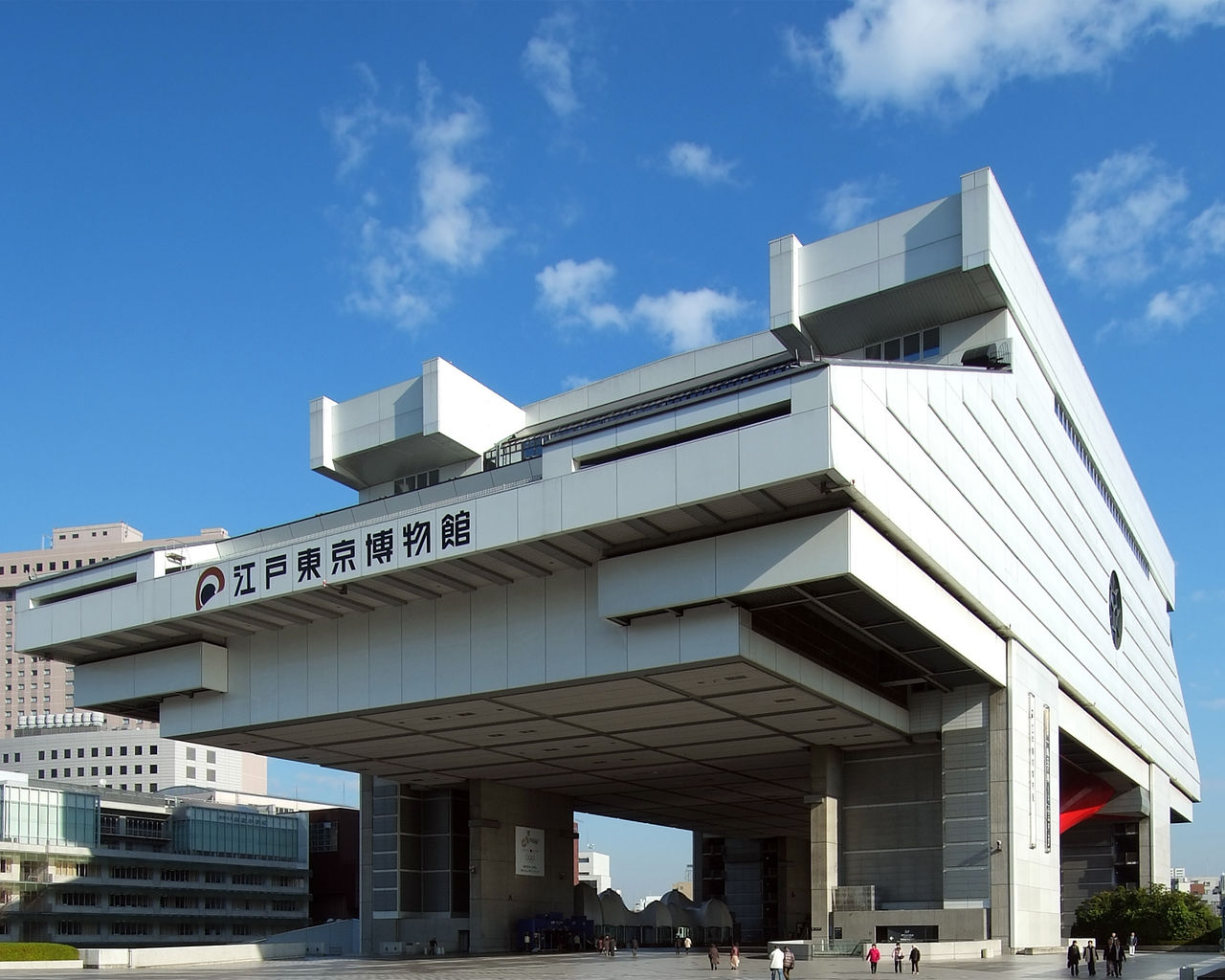


Building and design
The museum is housed in a distinctive, modern structure designed by the architect Kiyonori Kikutake. The building’s elevated form and structural expression reflect a contemporary architectural vocabulary intended to contrast with the historical material on display. Galleries are arranged to guide visitors chronologically and thematically, and the design accommodates large-scale reconstructions and detailed city models.
Collections and notable exhibits
Permanent displays focus on the Edo period and the subsequent transformation into modern Tokyo. Principal highlights include a life-size replica of the Nihonbashi bridge and waterfront scene, detailed scale models that map the city at different moments in time, and reconstructions of shops, houses and public spaces. These immersive pieces are supplemented by artefacts, paintings, prints and everyday objects that illustrate urban technology, commerce and domestic life.
Exhibition formats and educational work
The museum employs a mix of large-scale reconstructions, curated object cases, interpretive text and audio-visual presentations. Temporary exhibitions explore specialized themes such as transportation, festivals, or architectural history. Educational programs, guided tours and hands-on displays help schools and general audiences understand the continuity and change in Tokyo’s urban fabric.
History and related institutions
Established and opened in the early 1990s, the museum was created to preserve and interpret the history of Edo and Tokyo for residents and visitors alike. It is associated with the Edo-Tokyo Open Air Architectural Museum, a branch that preserves and exhibits whole historic buildings relocated from across the region. For further information consult institutional resources such as the museum’s official pages on planning, collections and visiting hours at Edo-period resources and a general reference on the Nihonbashi.
Significance and distinguishing features
- Focus on urban history: highlights daily life and the city’s material culture rather than only elite or political narratives.
- Large-scale reconstructions: enables immersive understanding of streetscapes and architecture.
- Institutional network: works in concert with off-site preservation at the open-air branch and with scholarly and community projects.
By combining architectural interest, scholarly collections and popular displays, the Edo-Tokyo Museum serves as a focal point for understanding how Tokyo’s past continues to shape its present.
Related articles
Author
AlegsaOnline.com Edo-Tokyo Museum: history, collections, architecture and significance Leandro Alegsa
URL: https://en.alegsaonline.com/art/30200
Sources
- books.google.com : "Museums"
- kikutake.co.jp : Kiyonori Kikutake Architects